




Top-rated bird control service pros.

Get matched with top bird control service pros in Jacksonville, OH

Enter your zip and get matched with up to 5 pros

Need a pro for your bird control service project in Jacksonville, OH?

Select your specific project to find the pro for you.

Find Bird control service pros in Jacksonville

Avatar for The Fireplace Doctor
The Fireplace Doctor
3.9(
1,190
)
Pest Control - Birds and BatsPest Control - Birds and Bats - For Business

Serving Jacksonville, OH and surrounding areas

In business since 1993

Emergency services offered

Credit card accepted

"They did a great job. They solved all the problems I had with the chimney and it’s been working perfectly ever since. They also fixed a problem on the roof around the chimney; they replaced the wood around the chimney with a material that would never rot, so they fixed it even better than it was before. It took them a couple of days to do the work. They took care of all the cleanup as well. We've been real happy with them."
Recommended by78%of homeowners
Bird Control questions, answered by experts

Woodpeckers usually feed on homes when there is a food source present, and termites are one possible source. However, the presence of woodpeckers doesn’t necessarily mean there are termites. They may also be feeding on more harmless insects like ants or spiders. If woodpeckers seem drawn to one particular part of your home’s siding, it might be worth hiring a termite inspector to check for the presence of these pesky critters.

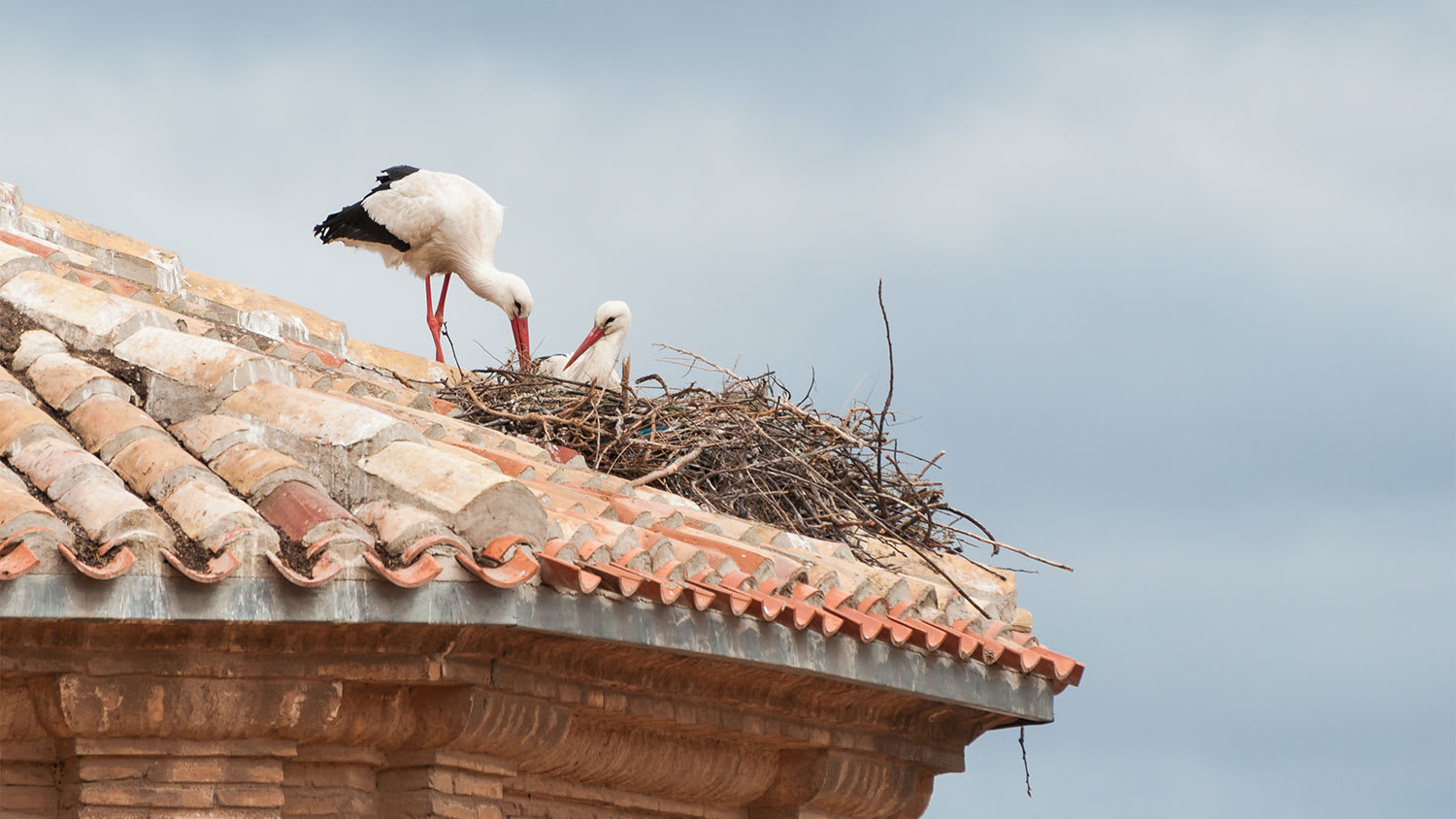
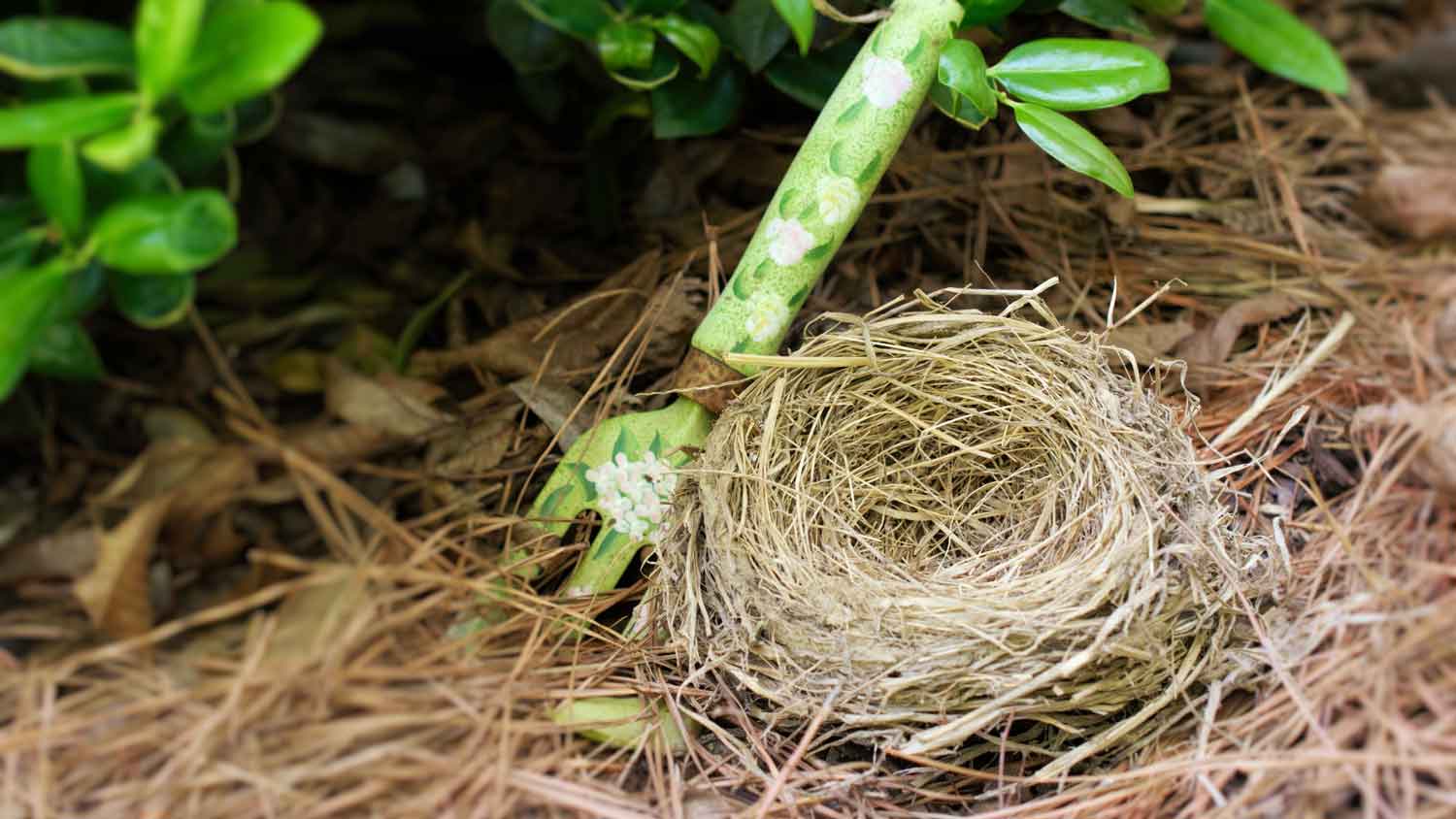
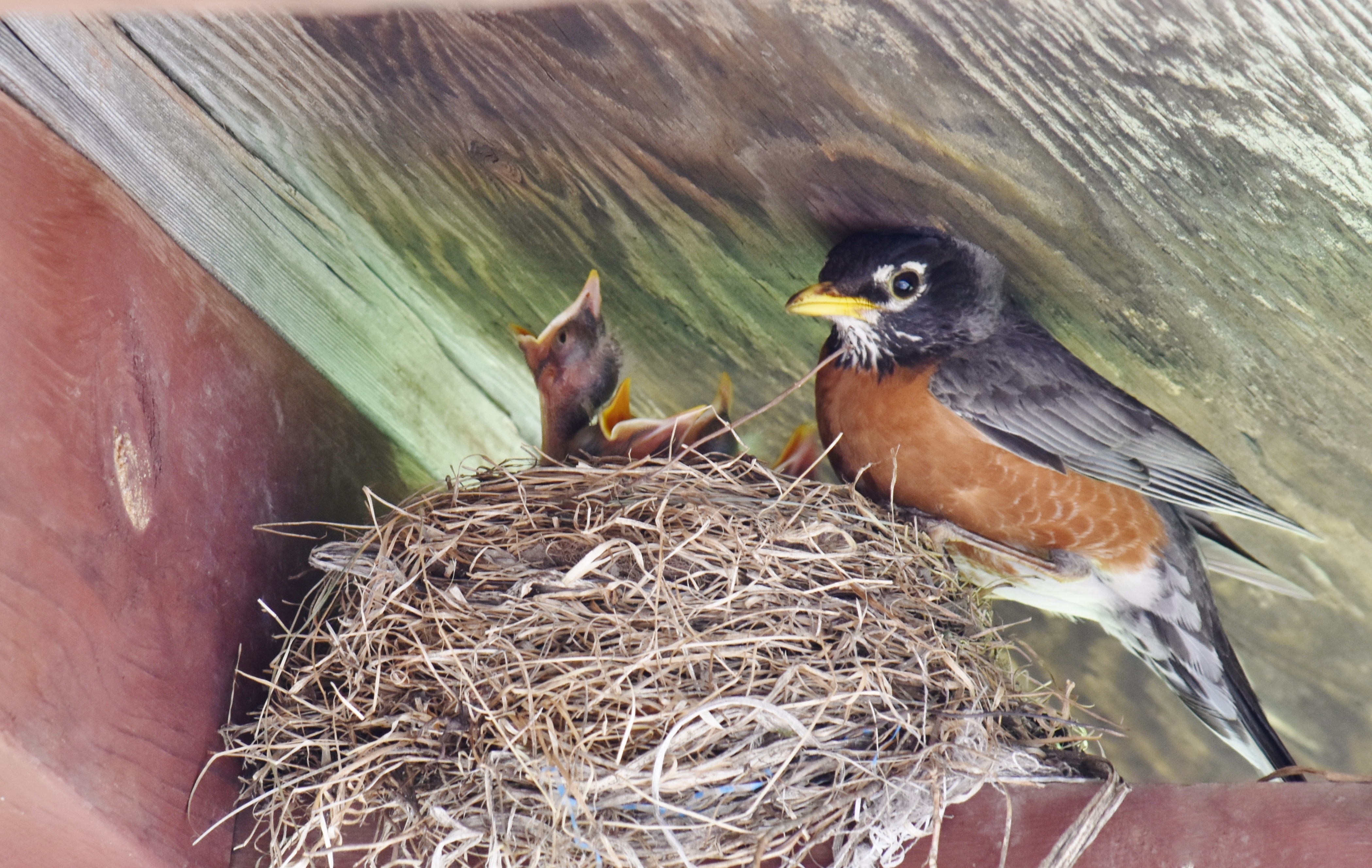
The lifespan of a bird's nest depends on the species. The building process can take from two days to three weeks. Once built, the nesting period for baby birds can last from two to ten weeks before they leave the nest. While most young birds are ready in two to six weeks, some predatory species may need up to two and a half months. Some species nest four to five times per year, so a nest could remain in use for several months. For specific information about a particular nest's longevity, it is best to consult a wildlife professional.

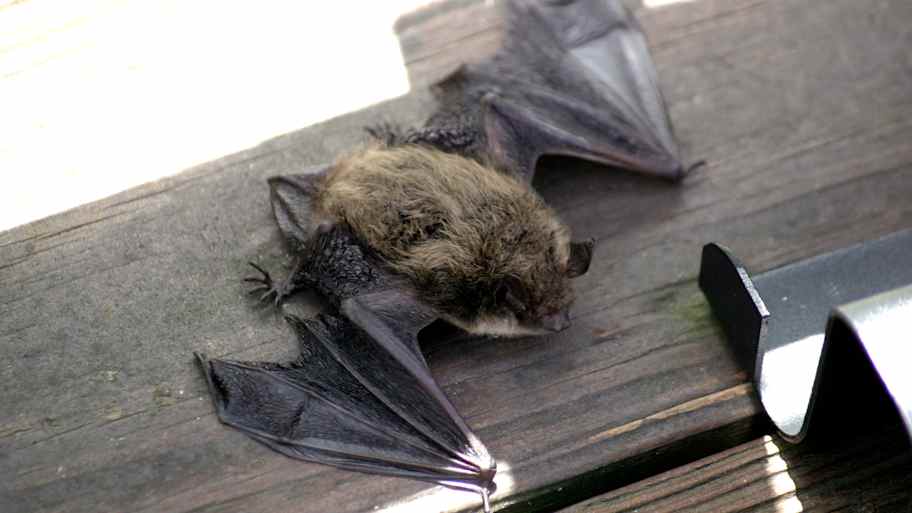
DIY animal removal is rarely a good idea and is not advised for many reasons. First, these types of animals can carry diseases and, therefore, pose a health risk to you, your family, and your pets if mishandled. Second, depending on your city or municipality, it may be illegal to remove or handle wildlife yourself. 

Sealing your home against these animals yourself is also a bad idea. Trapping an animal under your house will cause odor and insect problems when it passes away. 

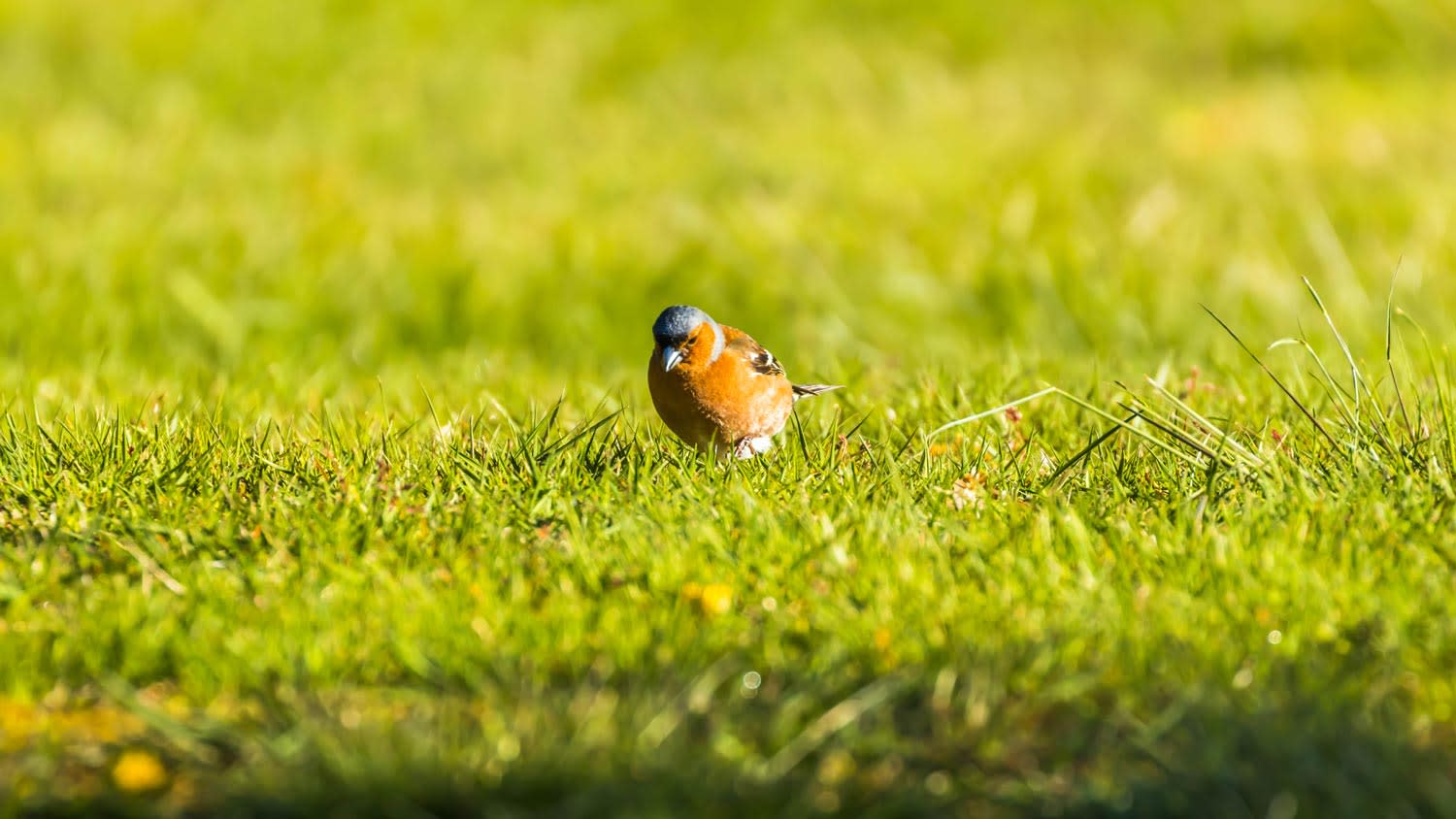
Birds eat grass seed for one simple reason—it’s delicious! The seeds are rich in nutrients such as carbohydrates, proteins, and fats. Seeds are also high in energy, so humans eat trail mix loaded with seeds and nuts for long-distance activities. Grass seed, when unprotected, is also exceptionally easy to access.

Fake owls are a common goose deterrent decoy and one of the most humane ways to scare away geese. Unfortunately, some geese are wise to fake predators. Decoys can be more effective if you move them around frequently or purchase ones with motion features. Decoys that move in the wind are also more effective than stationary decoys.

The Jacksonville, OH homeowners’ guide to bird control services

From average costs to expert advice, get all the answers you need to get your job done.