




Top-rated lead testing and removal specialists.

Get matched with top lead testing and removal specialists in Carey, OH

Enter your zip and get matched with up to 5 pros

Need a pro for your lead testing and removal project in Carey, OH?

Select your specific project to find the pro for you.

Find Lead testing and removal specialists in Carey

Avatar for Security First Home Inspections & Remediation
Security First Home Inspections & Remediation
4.8(
9
)
Toxic Lead - AbatementToxic Lead - Testing

Serving Carey, OH and surrounding areas

Free estimates

Credit card accepted

"They were very professional and thorough. The inspector was on time. He took his time with the inspection while explaining everything to us and had the report back to us on the day promised. I would definitely recommend them to my family and friends."
Additional Photos
Additional Photos
Additional Photos
Additional Photos
Additional Photos

+2

Recommended by100%of homeowners
Easy Lead Free
New to Angi
Toxic Lead - Testing

Serving Carey, OH and surrounding areas

Credit card accepted

Easy Lead Free LLC is an Ohio-licensed lead risk assessment company serving Cleveland and surrounding areas. We specialize in lead risk assessments and clearance testing required for Cleveland rental registration and lead-safe certification. Our services are designed for landlords and property managers who need compliant testing, clear guidance, and fast turnaround to avoid delays, re-inspections, or penalties. We focus exclusively on rental compliance testing — not real estate inspections — to help units pass the first time.

Lead Testing and Removal questions, answered by experts

No, you can’t place hazardous waste in a dumpster unless you specifically ordered a dumpster for hazardous waste removal. If the dumpster company finds hazardous waste that it didn’t approve for dumping, the company will return the waste to you, and you’ll likely face a fine for illegal dumping.

According to the Environmental Protection Agency (EPA), hazardous waste is generally classified into four main categories:

1. Characteristic Wastes: These exhibit at least one of four hazardous traits: ignitability (flammable, like gasoline), corrosivity (can rust or decompose materials, like car batteries), reactivity (unstable and can explode, like aerosol cans), or toxicity (harmful when ingested, like lead-based paint).

2. Listed Wastes: These are specific wastes from manufacturing and industrial processes that the EPA has officially designated as hazardous. They include byproducts from processes that use solvents, pesticides, and other chemicals.

3. Universal Wastes: These are commonly generated hazardous items that are subject to streamlined regulations. Examples include batteries, pesticides, mercury-containing equipment (e.g., bulbs), and some lamps.

4. Mixed Wastes: This category includes waste that contains both hazardous and radioactive components, making it subject to regulation by both the EPA and the Nuclear Regulatory Commission.

A lead paint inspection is a thorough examination and assessment of a building or structure to determine the presence of lead-based paint. Lead-based paint was commonly used in buildings before 1978 when its health hazards were fully understood. Lead is toxic and can pose health risks, particularly to young children and pregnant women. Getting a lead paint inspection means finding a lead paint inspector to examine the surfaces of the building—such as walls, ceilings, doors, windows, and other painted areas—and identify the presence of lead-based paint.

While not all homes built before 1978 contain lead paint, enough do, so you’ll still want to test to be on the safe side. The federal government banned lead-based paint for homes in 1978, but your state may have banned lead before that time. Around 24% of homes built between 1960 and 1977 contained lead-based paint, while 87% of homes built before 1940 contained lead-based paint.

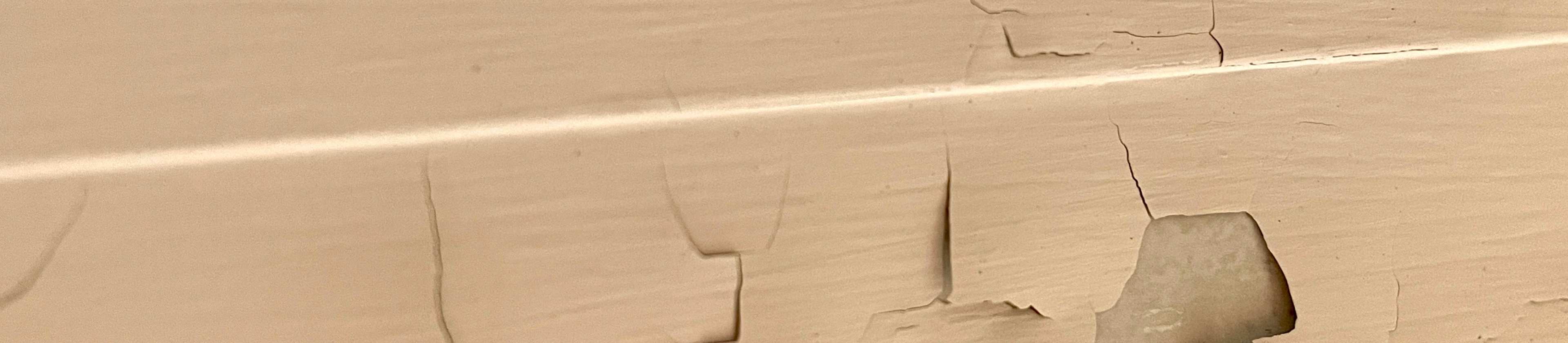
Lead toxicity comes from inhaling lead or consuming it. Before the 1980s, when the government banned lead from consumer use, it could be found in paint, plumbing, pipes, ceramics, and even gasoline. Lead paint is toxic for the same reason lead itself is toxic, which is why lead poisoning from paint presents the same as lead poisoning from water or food sources, with a slight increase in respiratory symptoms vs. digestive symptoms. Lead paint is most dangerous when it’s old and peeling, cracking, or otherwise disturbed. This increases the concentration in the air and, therefore, in breathable air. 

The Carey, OH homeowners’ guide to lead testing and removal services

From average costs to expert advice, get all the answers you need to get your job done.