


Top-rated deck staining pros.

Best deck staining pros near Baltic, OH

Enter your zip and get matched with up to 5 pros

Need a pro for your deck staining project in Baltic, OH?

Select your specific project to find the pro for you.

Top-Rated Deck staining pros in Baltic - Updated Nov 2026

Avatar for Liedel Power Cleaning & Painting
Liedel Power Cleaning & Painting
5.0(
90
)
Exterior Home or Structure - Paint or Stain: MediumExterior Home or Structure - Paint or StainExterior Home or Structure - Paint or Stain: Large

Serving Baltic, OH and surrounding areas

Approved

In business since 1988

Free estimates

Emergency services offered

"I’ve had Liedel’s services at 2 properties. They’ve done power washing, deck repair and exterior painting. Their work has always been exceptional. They have integrity, are professional, dependable and reasonably priced. They are all-around excellent!"

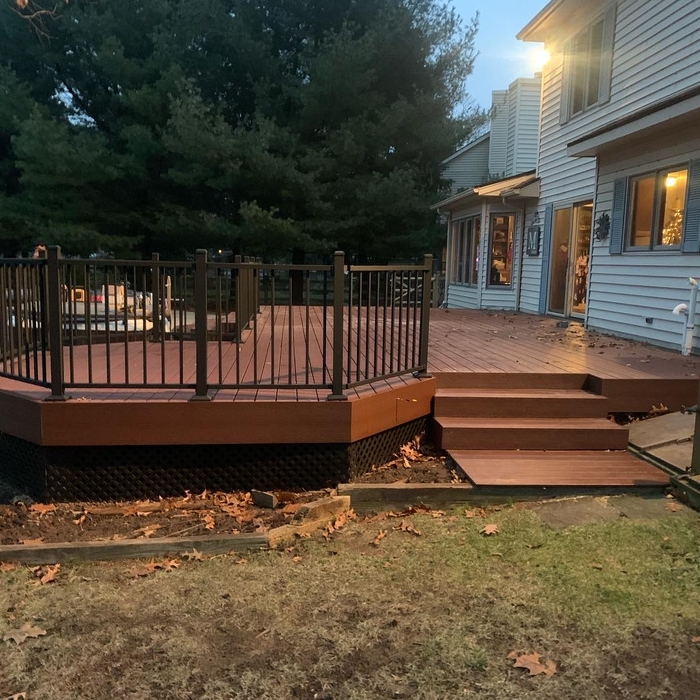
Composite Deck Rebuild (orange & black)
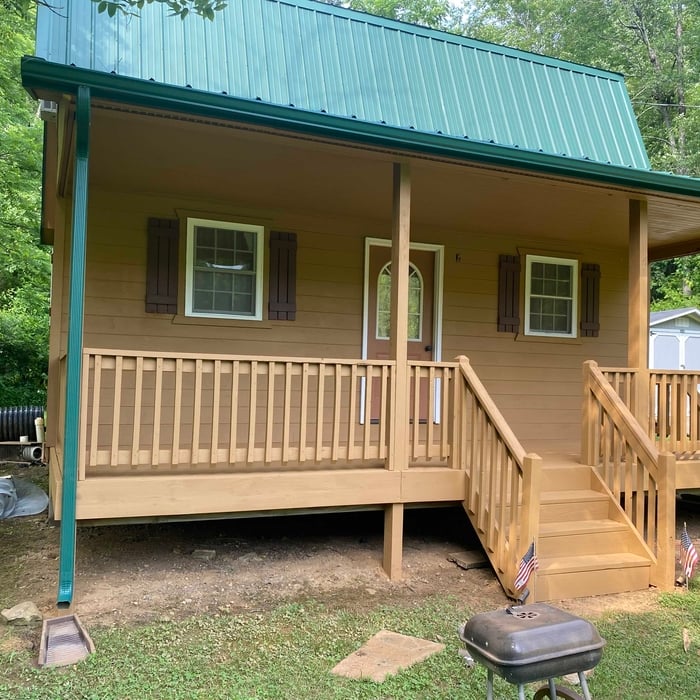
Exterior Painting Project
Composite Deck Rebuild (orange & black)

+59

Response time1 day
Response rate100%
11 neighbors recently requested a quote
...
Showing 1-10 of 56
Deck Staining FAQs, answered by experts

Rags used with oil-based stains are highly flammable and can spontaneously combust in the right conditions. To reduce the fire risk, throw them in a metal container after use and add rocks on top to secure them. Add an inch of water and seal the container. Take the rags in the container to a hazardous waste factory as soon as possible.
Yes, you must thoroughly clean your deck before staining. If you don't, dirt, debris, grease, and mildew can get trapped between the wood and the new stain. This not only looks unsightly but also prevents the stain from penetrating the wood properly, reducing its ability to protect the deck from weather and UV rays. As a result, the stain won't last as long or look as good. Any existing mold or mildew left untreated can continue to grow beneath the new stain, potentially leading to wood rot and structural damage. Always wait at least 48 hours after cleaning for the wood to dry completely before applying stain.

Limewash and whitewash are two techniques used to give brick a light, matte finish, but they differ in composition, application, and permanence. The best choice depends on your aesthetic goals and the specific surface.

Composition

  • Limewash: A natural and environmentally friendly option made from limestone, water, and sometimes pigments. It is breathable and soaks into porous surfaces like brick.

  • Whitewash: Traditionally made from lime, water, chalk, and binders, but a similar look can be achieved with watered-down white paint. It is paint-based and sits on top of the surface.

Appearance and Finish

  • Limewash: Provides a natural, textured appearance that allows the brick's character to show through. It offers a more traditional finish.

  • Whitewash: Creates a softer, more opaque finish, often used for a rustic or shabby-chic style.

Application and Permanence

  • Limewash: Is semi-permanent and can be removed, making it a good choice if you might want to change the look in the future. It requires more skill to apply and cannot be used on previously painted brick.

  • Whitewash: Is a more permanent solution. It is more forgiving to apply and can be used on painted brick. However, because it sits on the surface, it can trap moisture.

Ultimately, if you want a breathable, natural, and reversible finish for unpainted brick, limewash is a great option. If you need a more permanent, opaque coating that can be applied over painted surfaces, whitewash is the better choice. Whitewashing may also be more economical, costing approximately $1.40 to $4.20 per square foot.

No, you don't need to stain Ipe decking, although you can if you want to change the color. You will, however, need to apply a UV coating if you don't want the natural color to fade. Speak to a deck staining specialist near you to discuss the best options if you want to stain your decking. And remember that you’ll need to seal your Ipe wood deck annually to protect it from scratches and Mother Nature.

Wood stains last anywhere from two to five years, depending on exposure to the elements, your local climate, the type of stain, and the surface it’s on. For instance, vertical surfaces last longer than horizontal surfaces. Some types of woods, like dense hardwoods, will require a recoat yearly, as they are too dense for the stain to absorb. In any event, apply a recoat every 2 to 4 years. As for storage, a can of unopened stain can last up to 5 years, though results may vary.

The Baltic, OH homeowners’ guide to deck staining services

From average costs to expert advice, get all the answers you need to get your job done.