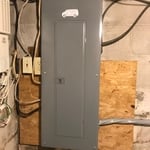
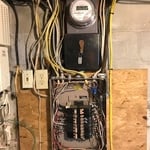
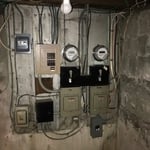
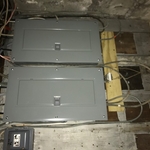
"Wes returned our phone call & set up a consultation appointment. Followed up with a quote and explanation of costs. We set up the installation time and Wes arrived / installed bathroom fan /ran the fan to ensure satisfaction then cleaned up the work space. We would recommend S&S Electric."
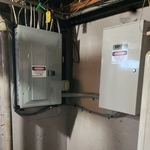
"Jesse completed the electrical work for our new above ground pool and also replaced our electrical panel. He was professional, timely and very reasonably priced. We will use him for all future electrical work at our home."
"Very professional and quick timing. Ended up having him do more than just fix my generator, they are great with all electrical work! Highly recommend"
"Excellent job installing our 120V outdoor generator outlet! The weatherproof box is securely mounted, ran the conduit neatly, and clearly labelled for emergency use. I truly appreciate the quick turnaround time and how efficient you got everything set up and tested. Highly recommend for any fast reliable electrical work!"
Troy Generator Service LLC is committed to excellence in every aspect of our business. We uphold a standard of integrity bound by fairness, honesty and personal responsibility. Our distinction is the quality of service we bring to our customers. Accurate knowledge of our trade combined with ability is what makes us true professionals. Above all, we are watchful of our customers interests, and make their concerns the basis of our business. 21 years experience.
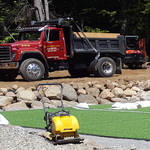
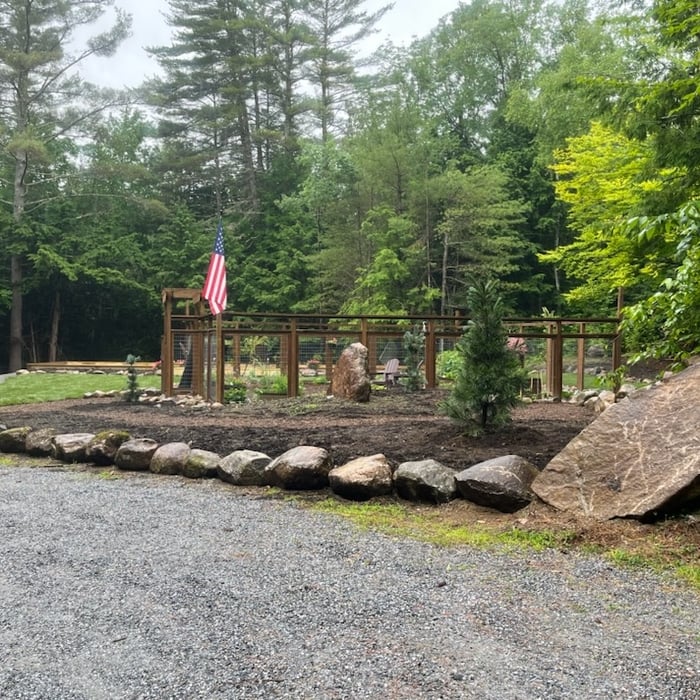
Self employed since 2007. excavation and land clearing. dumpster rental and clean outs. boulder retaining walls and hardscaping. underground electrical services. willing to deliver small and large quantities of sand, gravel and topsoil.
"What a great person to deal with he took time out of his busy schedule to just to take a look at my generator. Then while taking a look he automatically seen a few problems and fixed them right away. Would hire him in a heartbeat for future problems"
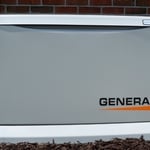
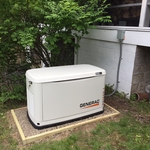
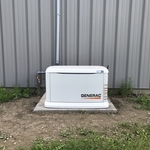
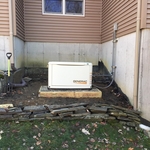
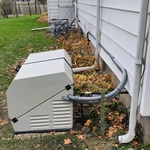
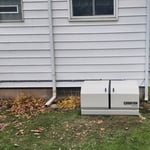
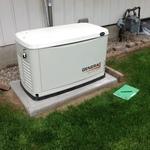
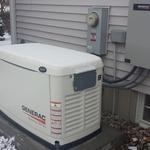
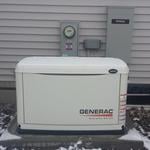
"I had a home generator installed. They coordinated with the propane company I had chosen, which according to the propane serviceman was not a common practice. The were totally professional and I now have peace of mind that in the event of our next power outage I will have power to run my home."
"I got a new stove. They had to put in something for my new stove. There were things they did, they did a lot of things. Changing out light bulbs, installing lights and plugs, outlets and things like that. I keep using them, They put in the new electrical panel. They work here a lot. There are some more things that need to be done. They are who I will call."
Setting up utilities on a vacant property usually takes at least a few months, or between 6 weeks to 16 weeks. This process requires working with the local planning and zoning department, hiring a building contractor or engineer to design the utility layout, securing permits, laying the lines, and connecting the utilities.
Costs depend on generator type, labor, and additional wiring or transfer switch requirements.
The amount of time a standby generator can run continuously is around 3,000 hours on average. However, standby generators can generally run indefinitely as long as they have a continuous fuel supply. Generators hooked up to a home’s natural gas supply are the best option for extended usage, as these won’t rely on a finite fuel supply based on how much you have in storage. Generators running on liquid propane or diesel won’t last as long, as these require fuel storage and regular refueling to stay running.
As a safety measure, you should always turn off the main breaker while operating your generator’s backup breaker. In addition, you should also switch off all appliance breakers so you don't have a power surge when the main breaker turns back on. And finally, turning off the main breaker prevents back-feeding, which endangers utility workers with the risk of electrocution. Back-feeding could also destroy the electrical circuits of your neighbors if they use the same power network.
A 10,000-watt generator can run a small to mid-sized central AC unit (typically up to 3 tons or 36,000 BTU) along with a few other appliances. However, larger AC units or additional loads will require a bigger generator. Consult a local generator installer to ensure you add the correct size generator to your home.
The Rotterdam, NY homeowners’ guide to generator installs
From average costs to expert advice, get all the answers you need to get your job done.
Natural gas generators are whole-home standby generators that are connected to your home’s natural gas line. The average cost for a natural gas generator is $12,000.
Generators should give you peace of mind, but you’ll only get that if your installer knows what they’re doing. Learn how to hire a pro and what red flags to look for.
Thinking about a generator installation? Learn about backup power options, costs to expect, and how to hire the right local pro to keep your home running.