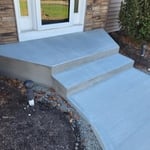
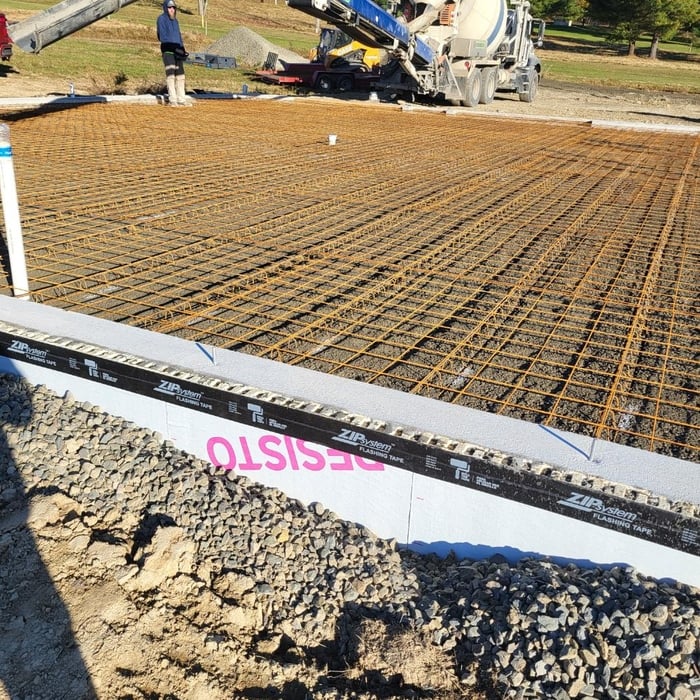
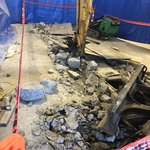
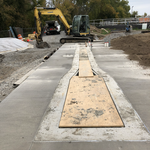
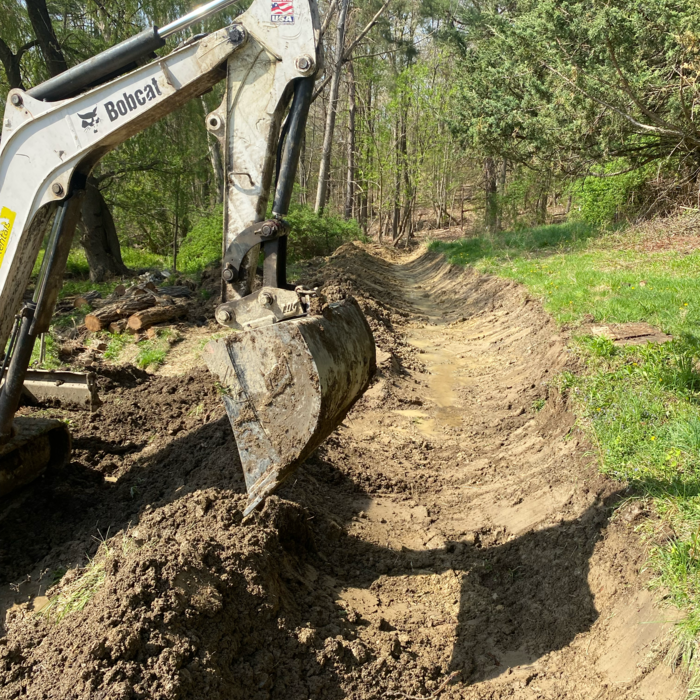
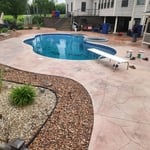
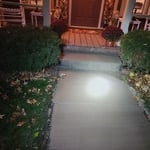
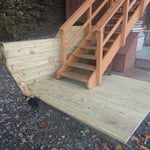
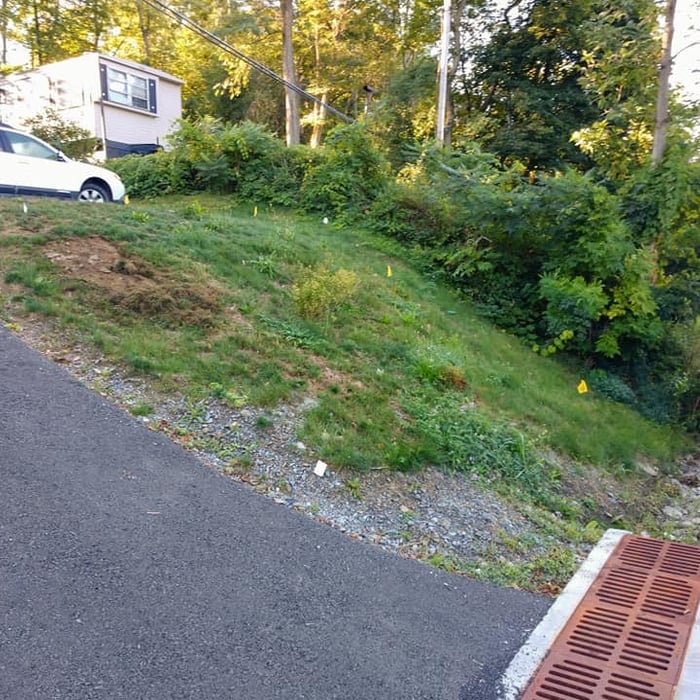
"Matt did a full septic installation on a new build house. He did a great job with the system, and gave flatter and more yard space after the system was put in. The grading and shaping of the land was superb"
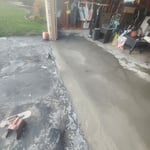
"Wonderful job ,Mr. Briggs is a very hard worker, He does a marvelous job, We recommend him to anyone, you will not be disappointed!!!! Scott put in a concrete driveway and a gorgeous stamped patio. He has made our house beautiful., and I for one thank him so very much. We have received many compliments on his hard work .Great price for a great job!!!!"
Poured Walls has over 30 years experience doing poured foundation in and around Painted Post. We take extreme pride in every project we take on and guarantee customer satisfaction. Give us a call today for a free estimate.
Farr Construction Co is a full service concierge construction firm providing leading edge design and custom building for the residential and commercial sectors. At Farr Construction Co., we offer a full menu of services to meet the specific needs of each of our valued clients. Excellent craftsmanship, communication and quality are yours and just a phone call away. So call today!
Retaining Wall Installers FAQs, answered by experts
Poured concrete is often the cheapest material for a retaining wall, costing around $6 to $8 per square foot. Other budget-friendly options include vinyl and landscaping timbers, which range from $10 to $15 per square foot; landscaping timbers are particularly well-suited for DIY projects. Untreated timber and railroad ties are a step up in price, starting at $15 to $25 per square foot. Natural stones can also be a cost-effective choice if you can source them from your own property, but they can be expensive to purchase. High-end materials like steel are typically the most expensive but offer superior durability and aesthetics.
Costs depend on material type, labor rates, and additional features like decorative finishes or reinforcement.
A retaining wall can only function as a fence if it’s high enough on all sides to prevent someone from accidentally falling into the pool. However, most retaining walls retain dirt, which means their purpose is not related to safety. There would need to be nothing on the other side of the wall for it to be considered a fence, but in that case, it wouldn’t retain anything and would cease to be a retaining wall.
Sand and gravel are two suitable options for filling behind a retaining wall. If you’re building your own retaining wall, you’ll complete this part of the process—known as backfilling—after you finish laying the blocks. Make sure not to skip it—otherwise, you could wind up with drainage issues, which can cause your retaining wall to collapse.
The lifespan of a retaining wall varies based on its material, installation quality, maintenance, and local climate, with an average range of 20 to 100 years. Retaining walls made from durable materials like concrete, stone, and brick generally last a minimum of 50 years. Concrete walls typically last between 50 and 100 years, while brick can last for over a century in ideal conditions. Timber retaining walls can last from 20 to 40 years, depending on the wood quality, and pressure-treated wood walls average around 30 years. It is important to note that a retaining wall can fail prematurely if it was poorly constructed, for example, with inefficient footings or without necessary rebar reinforcements.
The Prattsburgh, NY homeowners’ guide to retaining wall installation services
From average costs to expert advice, get all the answers you need to get your job done.
Retaining wall repair cost can vary widely based on the age and condition of the wall being restored. Learn why finding the right pro is important for getting the job done.
While it’s possible to DIY build a retaining wall, several pros have advanced knowledge of hardscaping and building. Learn who to hire to build a retaining wall.
There is no one-size-fits-all retaining wall for your yard. In fact, the options are endless. Check out 20 retaining wall ideas to upgrade your hardscape.