
Top-rated lead testing and removal specialists.

Get matched with top lead testing and removal specialists in Philmont, NY

Enter your zip and get matched with up to 5 pros

Need a pro for your lead testing and removal project in Philmont, NY?

Select your specific project to find the pro for you.

Find Lead testing and removal specialists in Philmont

Avatar for GLS Inspections, LLC
GLS Inspections, LLC
4.7(
28
)
Toxic Lead - Testing

Serving Philmont, NY and surrounding areas

In business since 2006

Free estimates

Emergency services offered

"Gabriel at GLS inspection was very puntual, attentive, and professional. He is willing to explain all the questions I have before and even after testing result was done. He has many knowledge about Asbestos so i learned a lot. I would use for other type of testing as well with this company. I Highly recommend !"
Response time1 day
Response rate95%
Recommended by100%of homeowners
Enviro-Tech Services, Inc-Eastern
4.0(
115
)
Toxic Lead - AbatementToxic Lead - Testing

Serving Philmont, NY and surrounding areas

In business since 1996

Emergency services offered

Credit card accepted

Enviro-Tech Services, Inc., we have an A plus BBB rating with over 2 decades of experience. We handle pest, mold, asbestos, lead, radon, wildlife, turf and more, with locations throughout New York, Michigan, Ohio, Pennsylvania, West Virginia and Florida. Call today for same day response.\n\nOur tactical, proven approach to solve your environmental needs makes us the leader in the industry. We use state-of-the-art diagnostic and treatment tools with our certified team of professionals to bring you the most advanced solution to your home or business\n

 Don't let Carpenter Ants take over
 French Drain
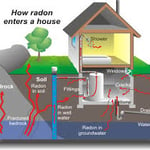
 How Radon Gets Into Your Home
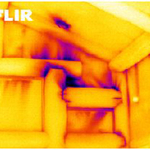
 Thermal Camera Image
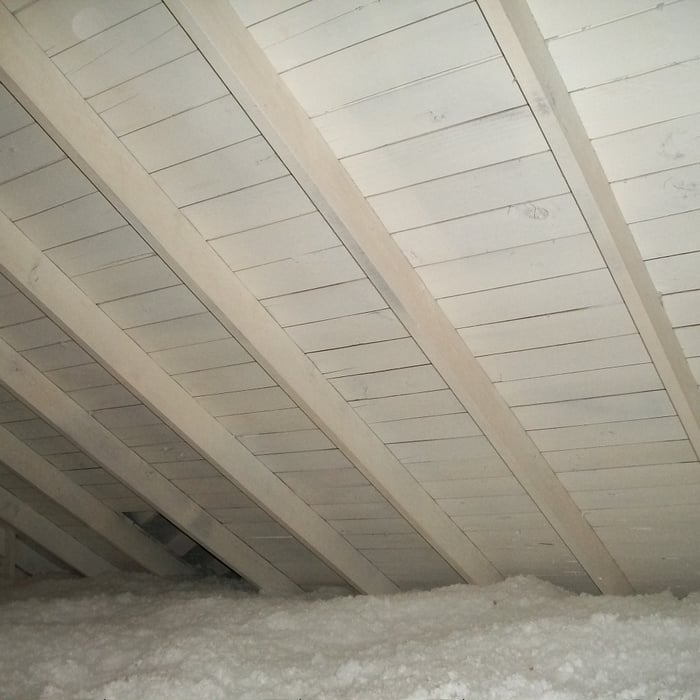
 Attic Mold Remediation

+29

Recommended by88%of homeowners
Lead Testing and Removal questions, answered by experts

Lead testing prior to purchasing a property ensures that the new owners are informed about potential hazards, prevents health risks associated with lead poisoning, and facilitates timely remediation.

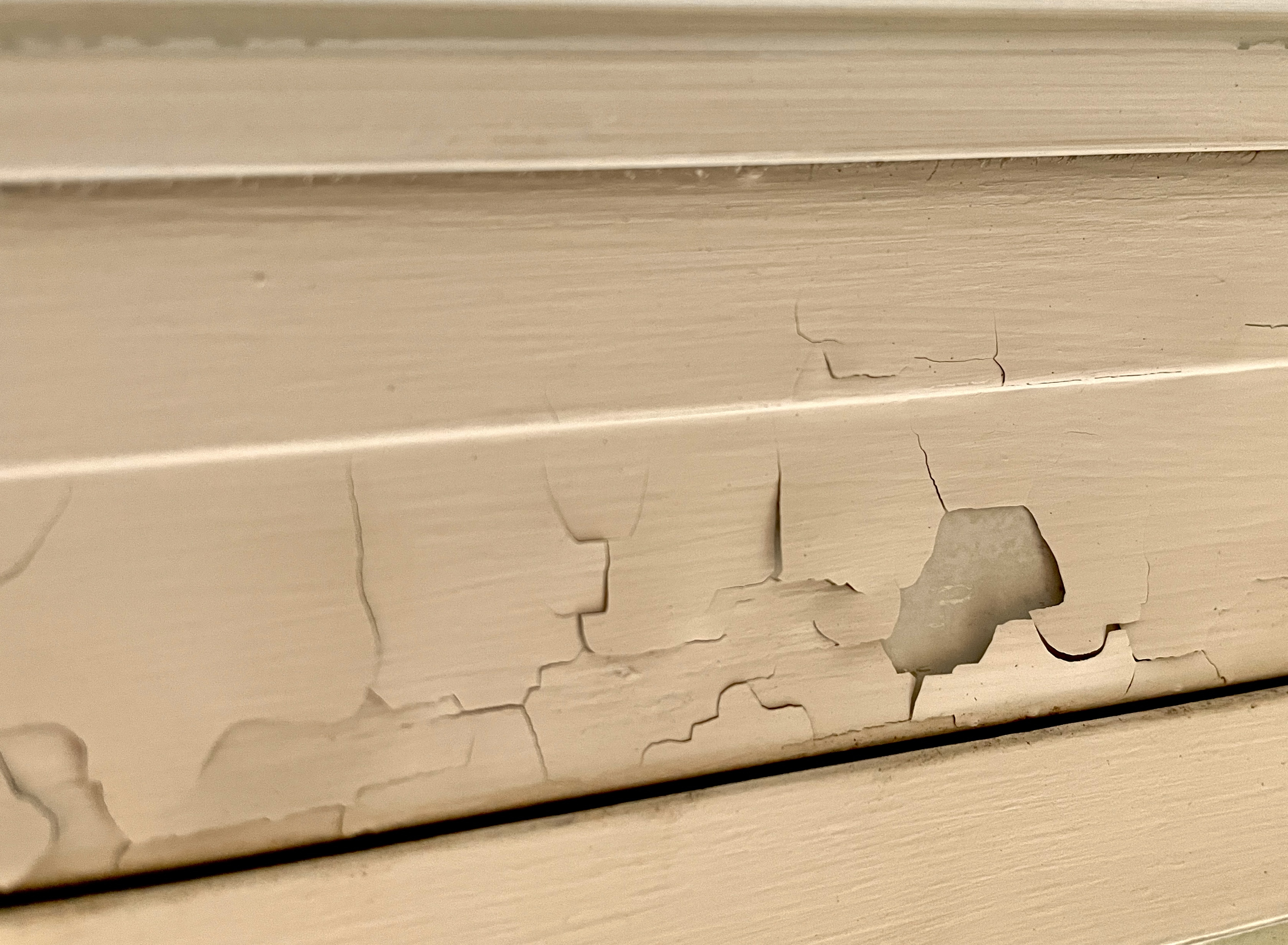
While not all homes built before 1978 contain lead paint, enough do, so you’ll still want to test to be on the safe side. The federal government banned lead-based paint for homes in 1978, but your state may have banned lead before that time. Around 24% of homes built between 1960 and 1977 contained lead-based paint, while 87% of homes built before 1940 contained lead-based paint.

No, a standard home inspection includes the basics and does not offer lead paint testing. Professional lead paint inspectors need specific licenses to perform these inspections, which not all home inspectors have. If you suspect lead paint in the home you are about to purchase, you will need to pay separately to have that done. If the findings come back positive, you may be able to negotiate with the buyer to cover the cost of the removal.

With regular testing, treatment, and maintenance, water from a community well should be safe to drink. Unfortunately, the EPA does not regulate private wells, and contamination can happen. 

If you have doubts about the quality and safety of your drinking water, you have options for testing. You can pick up kits from your local home supply store or harvest samples and send them to a local testing facility. To get the most complete water quality testing and system diagnosis, seek a local well professional. They know what to test for and can recommend and implement a longer-lasting solution.

According to the Environmental Protection Agency (EPA), hazardous waste is generally classified into four main categories:

1. Characteristic Wastes: These exhibit at least one of four hazardous traits: ignitability (flammable, like gasoline), corrosivity (can rust or decompose materials, like car batteries), reactivity (unstable and can explode, like aerosol cans), or toxicity (harmful when ingested, like lead-based paint).

2. Listed Wastes: These are specific wastes from manufacturing and industrial processes that the EPA has officially designated as hazardous. They include byproducts from processes that use solvents, pesticides, and other chemicals.

3. Universal Wastes: These are commonly generated hazardous items that are subject to streamlined regulations. Examples include batteries, pesticides, mercury-containing equipment (e.g., bulbs), and some lamps.

4. Mixed Wastes: This category includes waste that contains both hazardous and radioactive components, making it subject to regulation by both the EPA and the Nuclear Regulatory Commission.

The Philmont, NY homeowners’ guide to lead testing and removal services

From average costs to expert advice, get all the answers you need to get your job done.