Top-rated concrete mudjacking pros.

Get matched with top concrete mudjacking pros in Inlet, NY

Enter your zip and get matched with up to 5 pros

Need a pro for your concrete mudjacking project in Inlet, NY?

Select your specific project to find the pro for you.

Find Concrete mudjacking pros in Inlet

Avatar for Groundworks
Groundworks
New to Angi
Concrete - Injection Leveling - MudjackingConcrete - Injection Leveling - Mudjacking - For Business

Serving Inlet, NY and surrounding areas

Approved (Corporate)

In business since 2019

Free estimates

Warranties offered

Groundworks is the North America?s leading and fastest-growing foundation repair and water management solutions provider. Groundworks is a vertically integrated company with its own manufacturing operations and a world-class software solution, allowing us to serve our customers more effectively. From the first phone call to the annual maintenance offered, our customers have peace of mind knowing we?re there with one mission ? to repair, protect and improve their home.\nFor state licenses visit Groundworks.com/licensing\n

Foundation
Foundation
Foundation
Foundation
Foundation

+14

109 neighbors recently requested a quote
Concrete Mudjacking questions, answered by experts

Polyjacking and mudjacking can both be effective solutions for sinking concrete, but they have key differences. Polyjacking, which uses expanding polyurethane foam, is often considered a better option because the foam is significantly lighter than the cementitious material used for mudjacking. This reduced weight puts less pressure on the underlying soil and lowers the risk of future sinking. Polyjacking is suitable for any sinking concrete slab, while mudjacking is typically only recommended for non-structural concrete, such as sidewalks, patios, pool decks, and driveways. The primary drawback of polyjacking is its cost, which can be up to four times higher than mudjacking—as much as $25 per square foot compared to a maximum of about $6 per square foot for mudjacking.

It’s best not to perform mudjacking in the winter unless the ground temperature remains above freezing. Freezing temperatures can cause the slurry to harden too quickly, compromising its strength and longevity. Concrete is also more susceptible to cracking and splitting in cold temperatures, so there’s a higher risk of damaging the slab during the drilling and lifting process in winter.

Generally speaking, push piers—or steel piers—are the best option for underpinning, as they reach down to solid bedrock to find support for your foundation rather than relying on soil, which could be subject to the same issues as the soil directly below your foundation. However, the best underpinning method for your home depends on your location, how far down the bedrock is, and the type of soil in your area. Helical piers are usually the best option for sandy soil or in areas where the bedrock is too deep to use steel piers.

Trenching and boring are two distinct methods for installing underground utilities. Trenching involves digging a channel using equipment like an excavator, trencher, backhoe, or shovel. While it is a simpler process, it causes significant disruption to the surface, landscaping, and surrounding ecosystems.

Boring, also known as directional boring, is a less invasive alternative that uses a drill to create a tunnel for utility lines without disturbing the surface. This method is more precise and is ideal for installations that need to go underneath buildings, roads, or bodies of water. Although boring is less disruptive, it is generally more expensive than trenching.

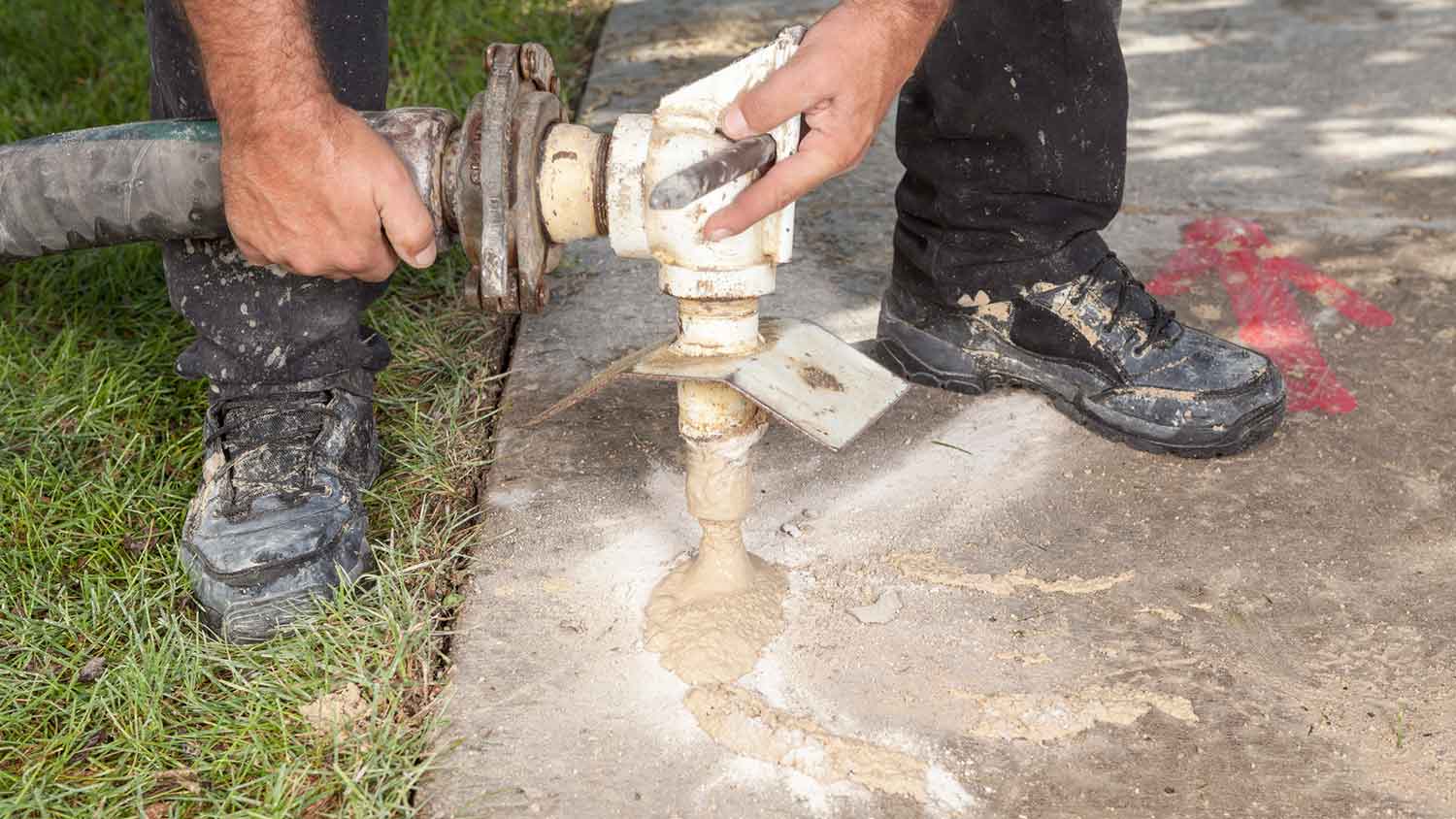
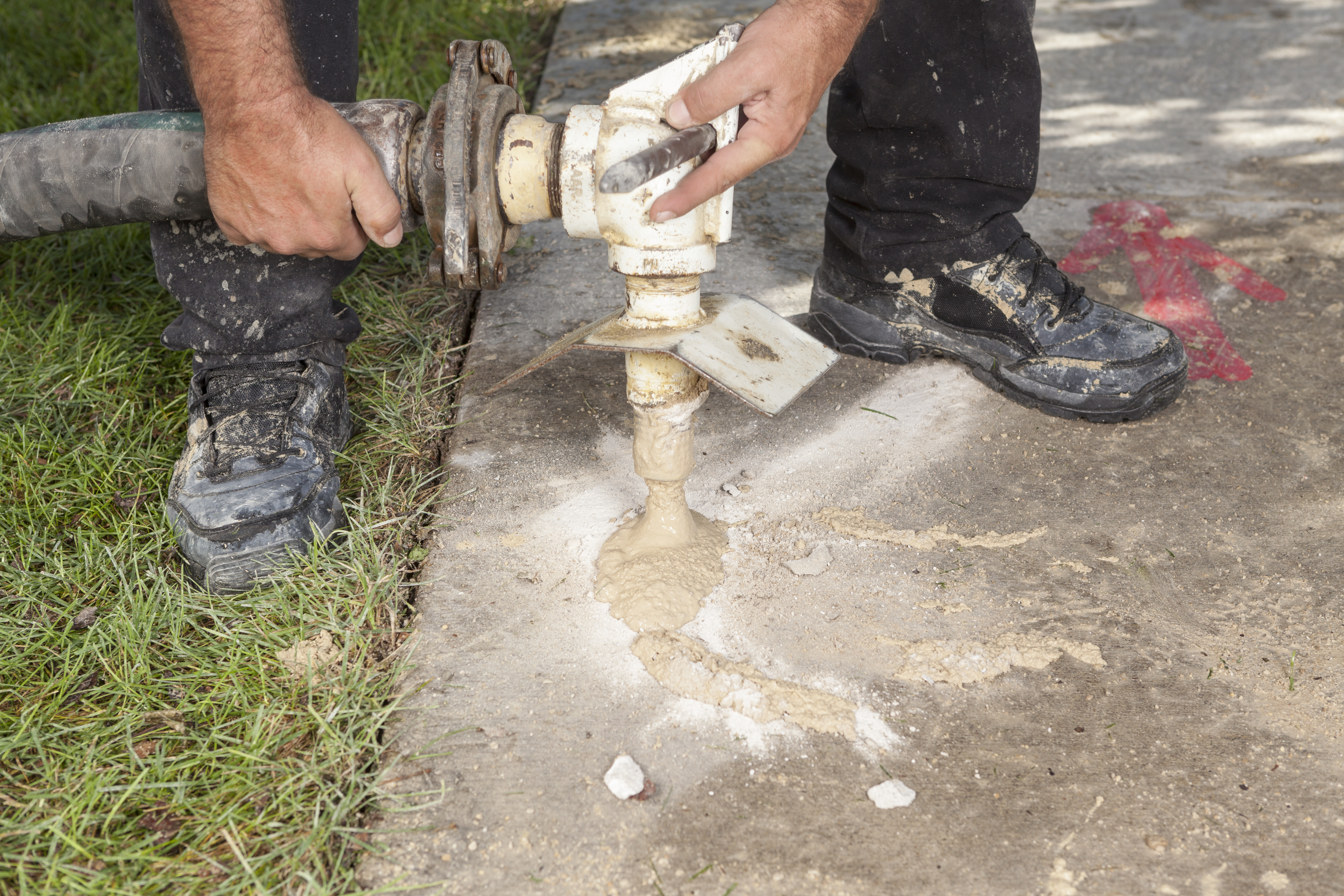
A slurry of cement, sand, and water is injected beneath the concrete to lift and stabilize it.

The Inlet, NY homeowners’ guide to concrete mudjacking services

From average costs to expert advice, get all the answers you need to get your job done.