

Top-rated welders.

Best welders near Glenville, NY

Enter your zip and get matched with up to 5 pros

Need a pro for your welding project in Glenville, NY?

Select your specific project to find the pro for you.

Top-Rated Welders in Glenville - Updated Nov 2026

The Grecco Group LLC
5.0(
15
)
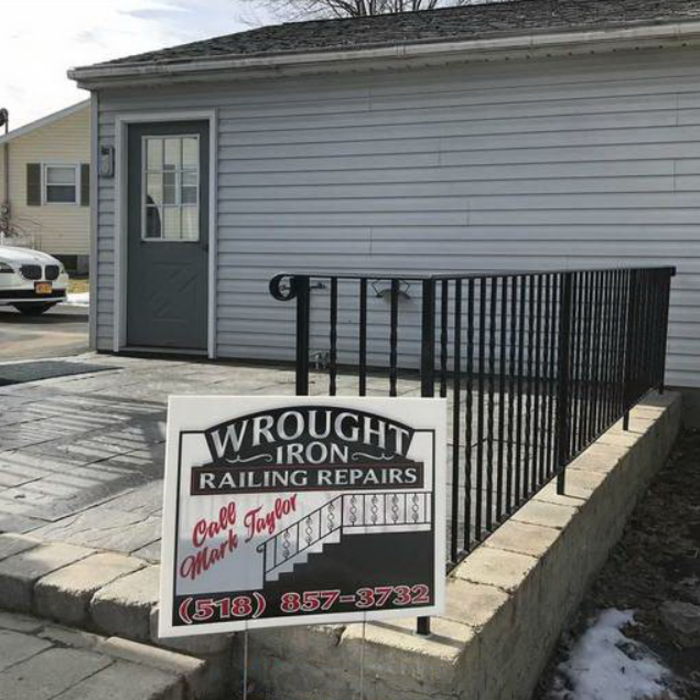
Wrought Iron Fence - Repair or Weld

Serving Glenville, NY and surrounding areas

Approved

In business since 2022

Offers commercial services

Customers say: True professional

We are a locally owned and operated company and have been in business since 2022. We are craftsmen and pride ourselves on the quality of our work. We will make sure the job is done the correct way the first time. We love to build long lasting relationships with our customers so that we can continue to help them with all their future projects. Give us a call today for a free estimate!

4 neighbors recently requested a quote
Recommended by78%of homeowners
Avatar for Superior Fence Company
Superior Fence Company
4.7(
53
)
Wrought Iron Fence - Repair or Weld

Serving Glenville, NY and surrounding areas

Approved

Super Service Award Winner

In business since 2016

Free estimates

Warranties offered

"They came to look at the front of my home and took measurements. We talked about how I wanted it to look and what it would cost. Paul Clayeurs was so very helpful, he was recommended to me from my daughter whose beautiful fence he put in for her. They do great work. Very dependable, great work. I highly recommend Superior Fence."
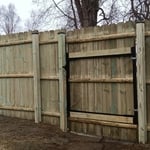
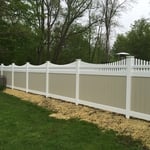
Beige 6' privacy with scalloped picket top
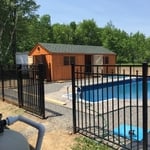
Aluminum pool fence
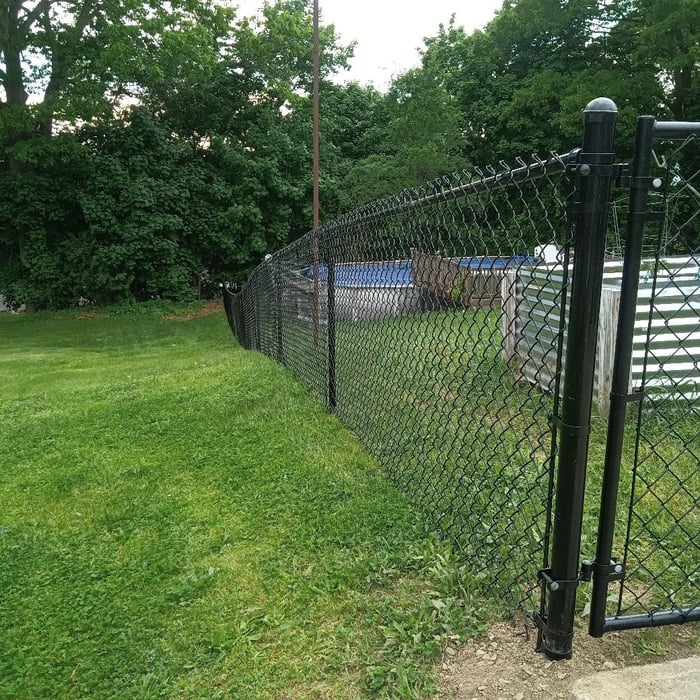
Black Chain Link
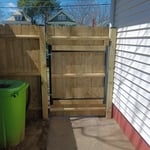
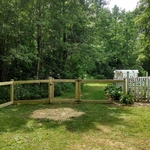
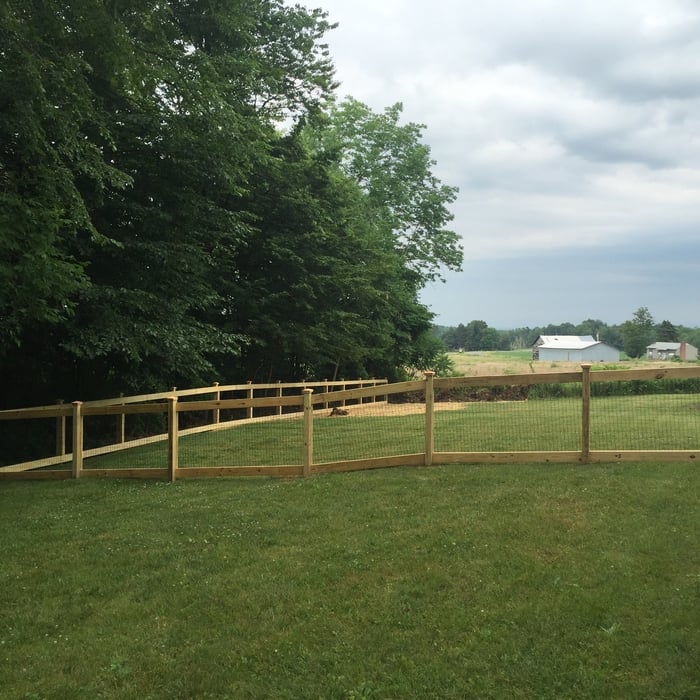
Wood
Wood

+2

Response time2 days
4 neighbors recently requested a quote
Recommended by88%of homeowners
Avatar for Costello Welding, LLC
Costello Welding, LLC
5.0(
7
)
Metal Structure or Object - Create CustomMetal Structure or Object - Weld or CutSteel Beams (Custom) - Fabricate

Serving Glenville, NY and surrounding areas

In business since 2023

Free estimates

Emergency services offered

At Costello Welding LLC, we specialize in heavy equipment welding repair, providing services to restore and enhance construction machinery. With a commitment to safety and precision, we tackle everything from structural repairs to custom modifications, making your equipment operate at peak efficiency. Give us a call today!

...
Showing 1-10 of 53
Welding FAQs, answered by experts

Welders use a variety of methods in their trade. Different types of welding are better suited for different purposes and contexts. For example, stick welding is a versatile form suitable for most metals and alloys. The most common types of welding include:

  • Stick welding: $100–$1,000

  • Metal Inert Gas (MIG) welding: $250 and up

  • Tungsten Inert Gas (TIG) welding: $250 and up

  • Gas welding: $150 and up

  • Forge welding: $15–$25 per hour

Your typical household tools will not cut a metal pipe. To cut a metal pipe, you’d need more specialized tools like a pipe cutter or circular saw. Do not attempt to use these tools without taking proper safety precautions and wearing safety gear. It’s usually safer to let a pro cut a metal pipe, especially if you’re not confident in your skills with a heavy-duty saw.

Yes, you can use a saw to cut metal pipes. The best saw to use is a reciprocating saw, but even a fine-tooth hacksaw can get the job done. No matter which saw you use to cut metal pipes, wear protective gear, like work gloves, safety goggles, and ear plugs. Apply a firm, steady pressure to the tool, and always ensure the pipes are secured so they don't move while you make the cuts.

Professional metal fabricators typically charge around $70 per hour, but the total cost of your project will depend on several factors. The largest cost drivers are the size, complexity, and design of the project, as well as the price and type of metal used. A good way to estimate the total cost is to multiply the cost of raw materials by four; typically, one-quarter of the total goes toward materials and three-quarters toward labor. Your geographic location can also influence costs, as labor and material prices vary by region.

Cutting rectangular ductwork requires careful measurements and the right technique. Use a measuring tape and pencil to mark the cutting lines accurately. Tin snips are excellent for straight cuts on smaller ducts. For more extensive or thicker rectangular ducts, a reciprocating saw with a metal-cutting blade is effective. 

Ensure the duct is well-supported and secure while cutting to prevent wobbling and maintain precision. After cutting, use a metal file to smooth any sharp edges, ensuring safety during installation. 

The Glenville, NY homeowners’ guide to welding services

From average costs to expert advice, get all the answers you need to get your job done.