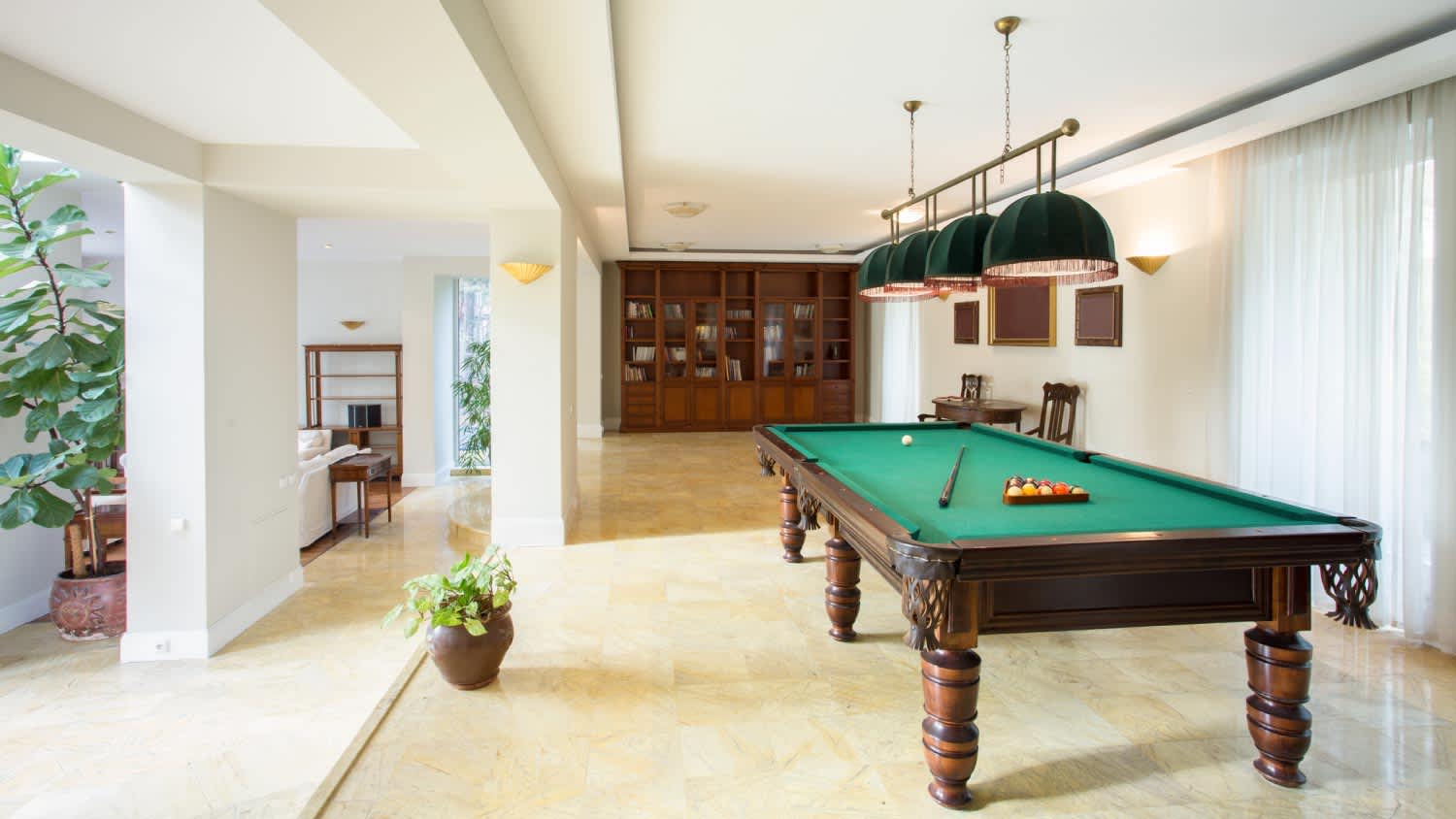






Top-rated pool table assembly pros.

Get matched with top pool table assembly pros in Cadyville, NY

Enter your zip and get matched with up to 5 pros

Need a pro for your pool table assembly project in Cadyville, NY?

Select your specific project to find the pro for you.

TRUSTED BY CADYVILLE, NY HOMEOWNERS

  • Average homeowner rating star icon4
    Average homeowner rating
  • Verified reviews icon79
    Verified pool table assembly services reviews

Find Pool table assembly pros in Cadyville

Avatar for North Country Concepts, LLC
North Country Concepts, LLC
2.0(
4
)

Serving Cadyville, NY and surrounding areas

Approved

In business since 2024

Free estimates

Small jobs welcome

"They are very professional and very eager to please their customers! Weâ  ve agreed with them to open and close our pool too. Very happy with their service!"
Response time9 hrs
Response rate97%
15 neighbors recently requested a quote
Showing 1-10 of 47
Pool Table Assembly questions, answered by experts

If your pool takes longer than one or two days to fill, you might be dealing with low water pressure. Using a water pressure gauge on your outdoor tap, you can check your water pressure. A reading of 40 psi or below is considered low. A leak, a nearby water shutoff, or several other reasons could cause this. 

If the water pressure isn’t a problem, you could have a low flow rate from clogs, corroded pipes, or other plumbing issues. It’s best to call in a local plumber to get to the root of the issue.

Pavers are a great decking option for pools. They’re customizable, come in a variety of shapes, sizes, colors, textures, materials, and price points, and they’re slip-resistant. Concrete pool decks, on the other hand, are harder to repair and replace if damaged and aren’t as slip-resistant as most paver materials. However, not all pavers are equal in terms of durability, maintenance, and performance. Pavers also have their own cons that may encourage homeowners to opt for stamped concrete instead, such as higher upfront costs.

Upkeep. Like standard pools, the cost to maintain and service your pool is a factor. However, the benefit of a spool is that it can warm up in as little as 15 minutes, while it may take several hours to heat a standard pool. This makes owning a spool more cost-effective and energy-conscious.

Yes, pool pumps use a significant amount of electricity, making them one of the biggest energy consumers in a home. A pool pump can use up to three times as much electricity as a refrigerator. Typically, a residential pool pump consumes about 1 kilowatt-hour (kWh) for every hour it runs. Because pumps often need to run for about eight hours a day to properly filter the water, this can add up to an annual consumption of 3,000 to 5,000 kWh, which can cost between $480 and $800 per year based on average electricity rates.

The amount of electricity your pump uses depends on its size, energy efficiency, and daily run time. To lower your energy consumption, you can choose an energy-efficient or variable-speed pump, ensure it is correctly sized for your pool, and run it only for the minimum time required to keep the water clean.

The best time to buy a lap pool is during the fall. While you might not be able to enjoy it for long, you’ll be happy with the money you save. Since fall and winter are the slow seasons for pool companies, they may offer specials or discounts. Talk to a pool installation company in your area to see what deals they have available.

The Cadyville, NY homeowners’ guide to pool table assembly services

From average costs to expert advice, get all the answers you need to get your job done.