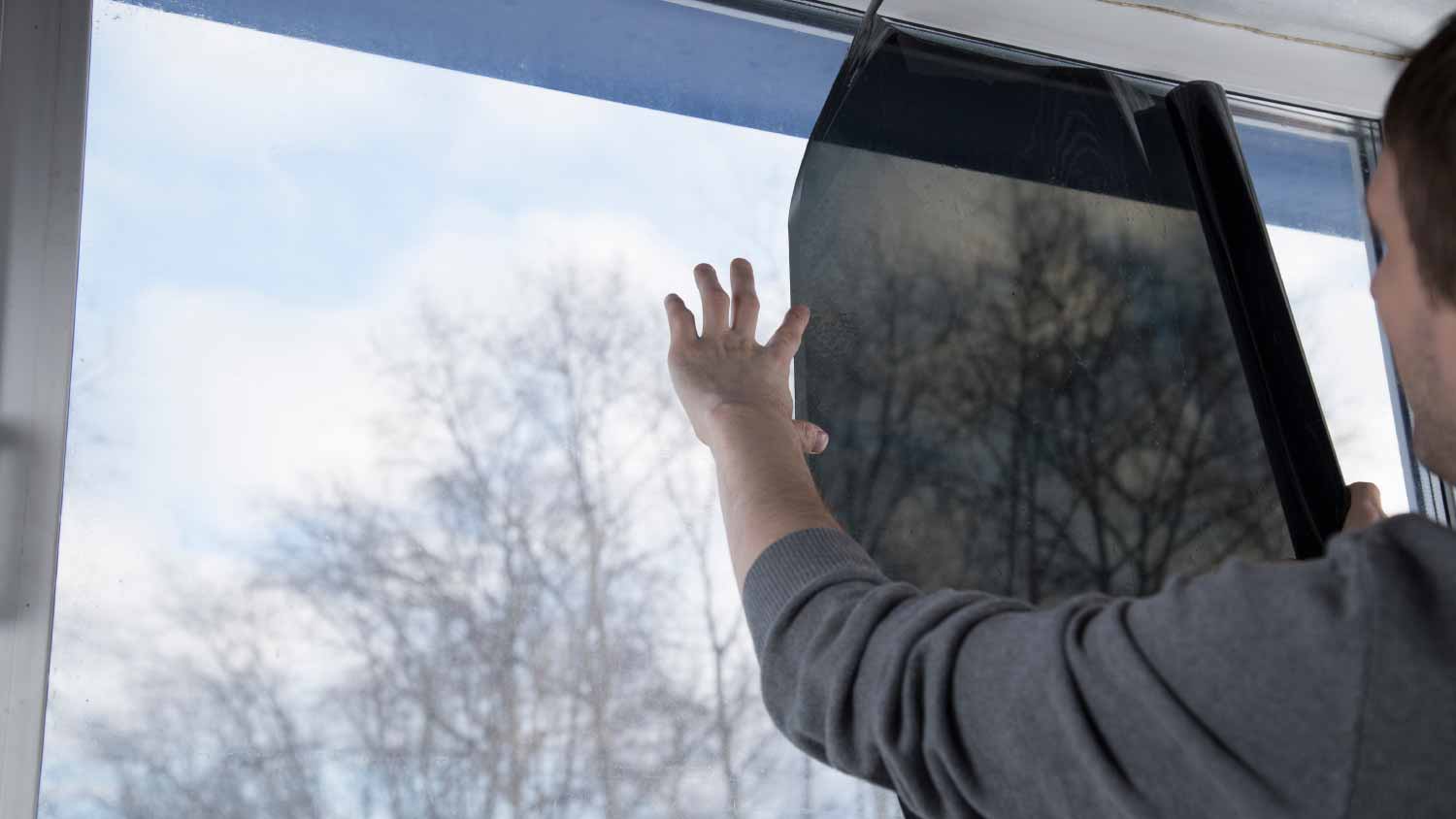
"Litteraly came in the day of we contacted them, had a look over with various tinting options and strengths. Next week, tinting was installed, we were giving the instructions and expectations for after installation care. Quick, efficent, and very professional. Will be l;ooking forward to working with them again!"
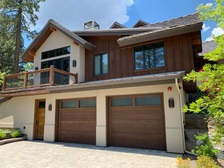
"Prompt reply to request for quote. Installation of residential window tinting finished quickly. Very pleased with the results on west facing/exposure windows. Highly recommend"
"Install was easy. Up front cost was pretty low with Angie's List coupon. Monthly price is a little high compared to competing companies. Response time with alarms is excellent. I was advised to use glass break alarms within 10 ft of my first floor windows, which we installed correctly. I asked prior to installation if having one in the kitchen would cause false alarms due to dishes clanging, etc. I was told the glass break alarms are configured to a precise frequency that alarms with breaking glass. So, not a "no", but not really an answer. Well, every time we cook dinner, wash dishes or empty the dish washer, the kitchen glass break alarm gives a warning which would sound the alarm if it was set. This has caused us a number of false alarms while we've been away due to shifting bowls or plates in our drying rack. For the first several we've had to pay our police department $120 to check the house, and I was only notified after the first alarm that there was a cheaper option for a security company to drive by to check for a break in."
Solar screens reduce glare and block UV rays, which may slightly dim natural light and alter the view from inside. However, most homeowners find the trade-off worthwhile for improved comfort and energy savings. The impact depends on the screen’s color and density, with darker screens blocking more light but providing enhanced glare reduction and privacy.
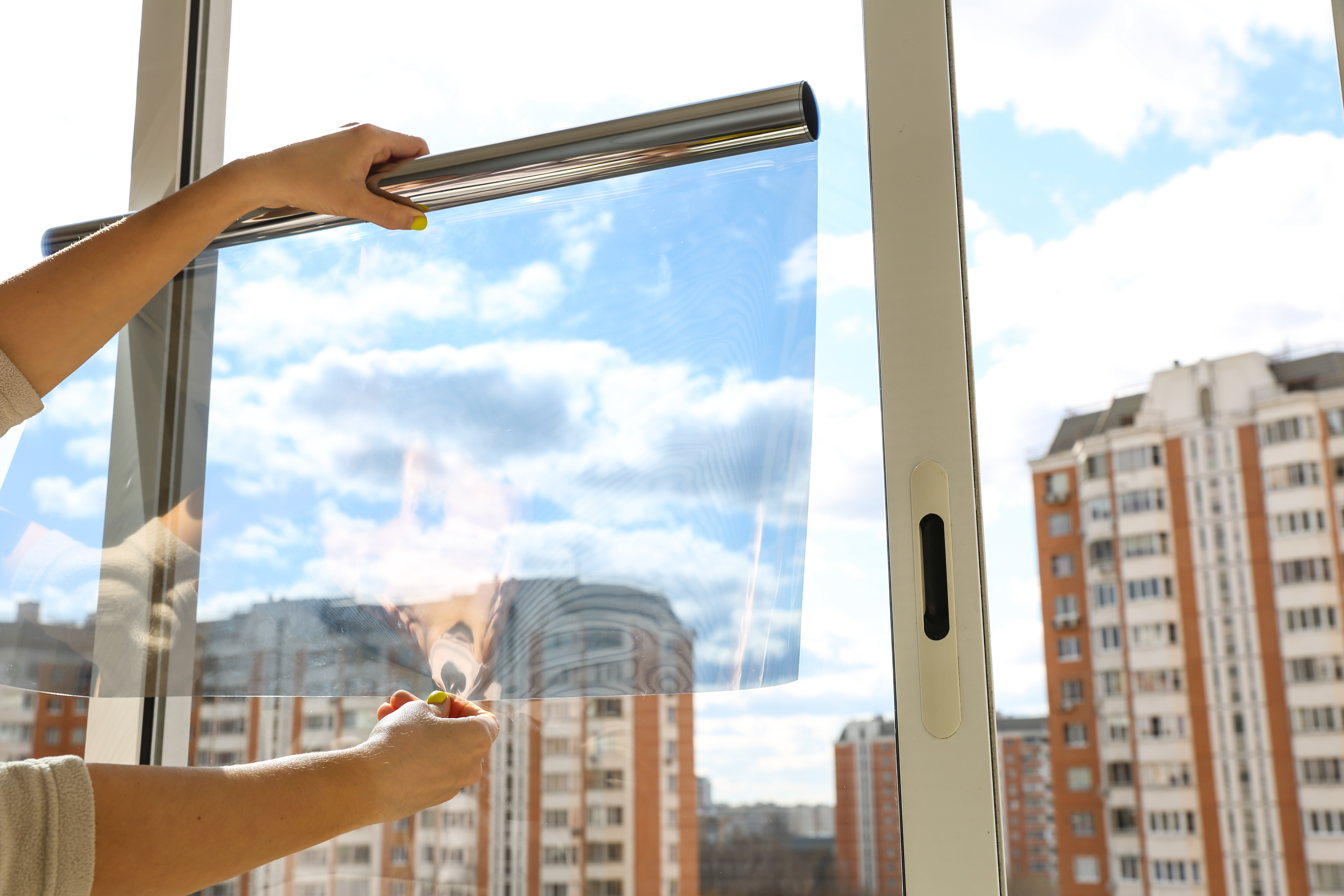
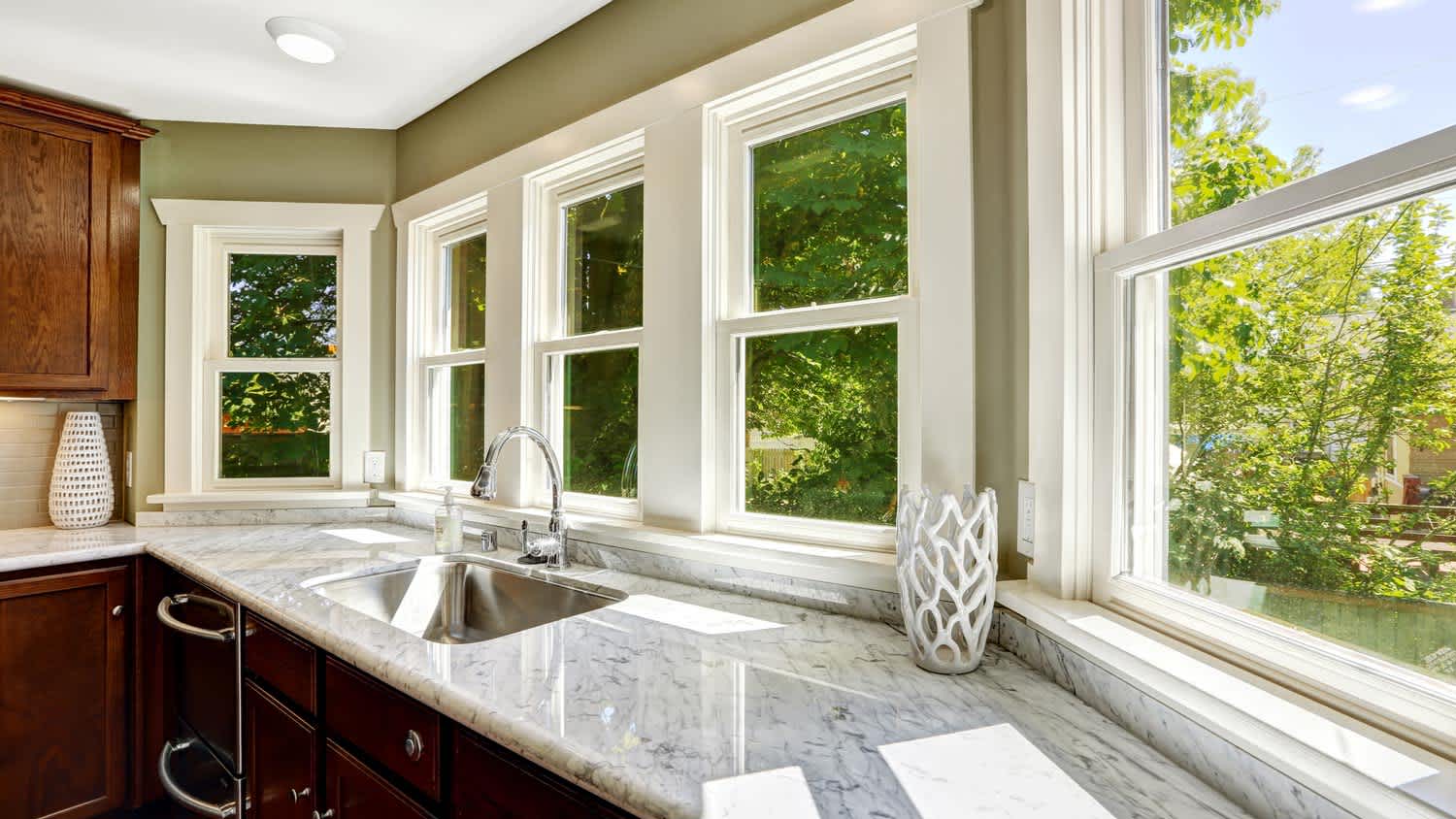
Tinting reduces glare, blocks UV rays, enhances privacy, and improves energy efficiency.
Costs depend on window size, film quality, UV protection level, and installation complexity.
You can easily and cheaply use tin foil or cardboard to black out your windows. Save a pretty penny by cutting either material to the size of your windows and taping it to the window. This is one of the easiest and most budget-friendly blackout solutions, but it definitely isn’t the most aesthetically friendly.
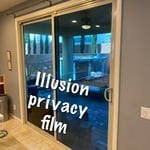
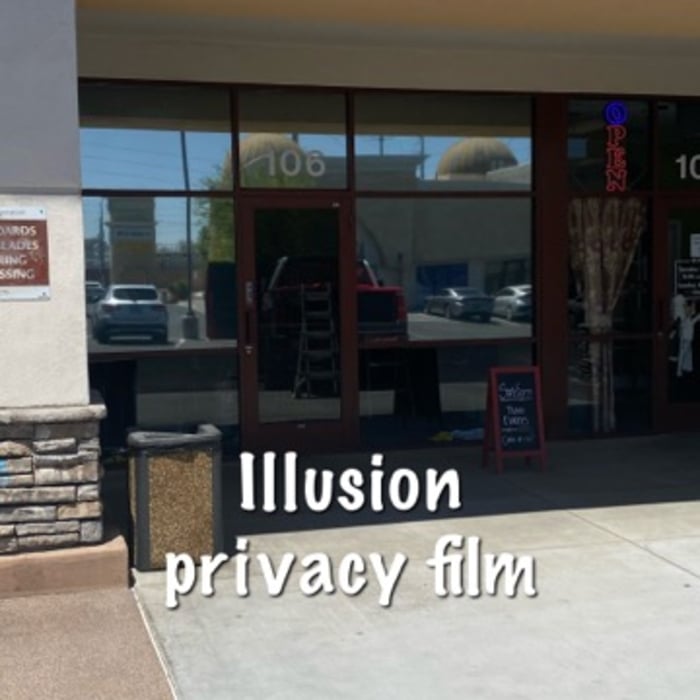
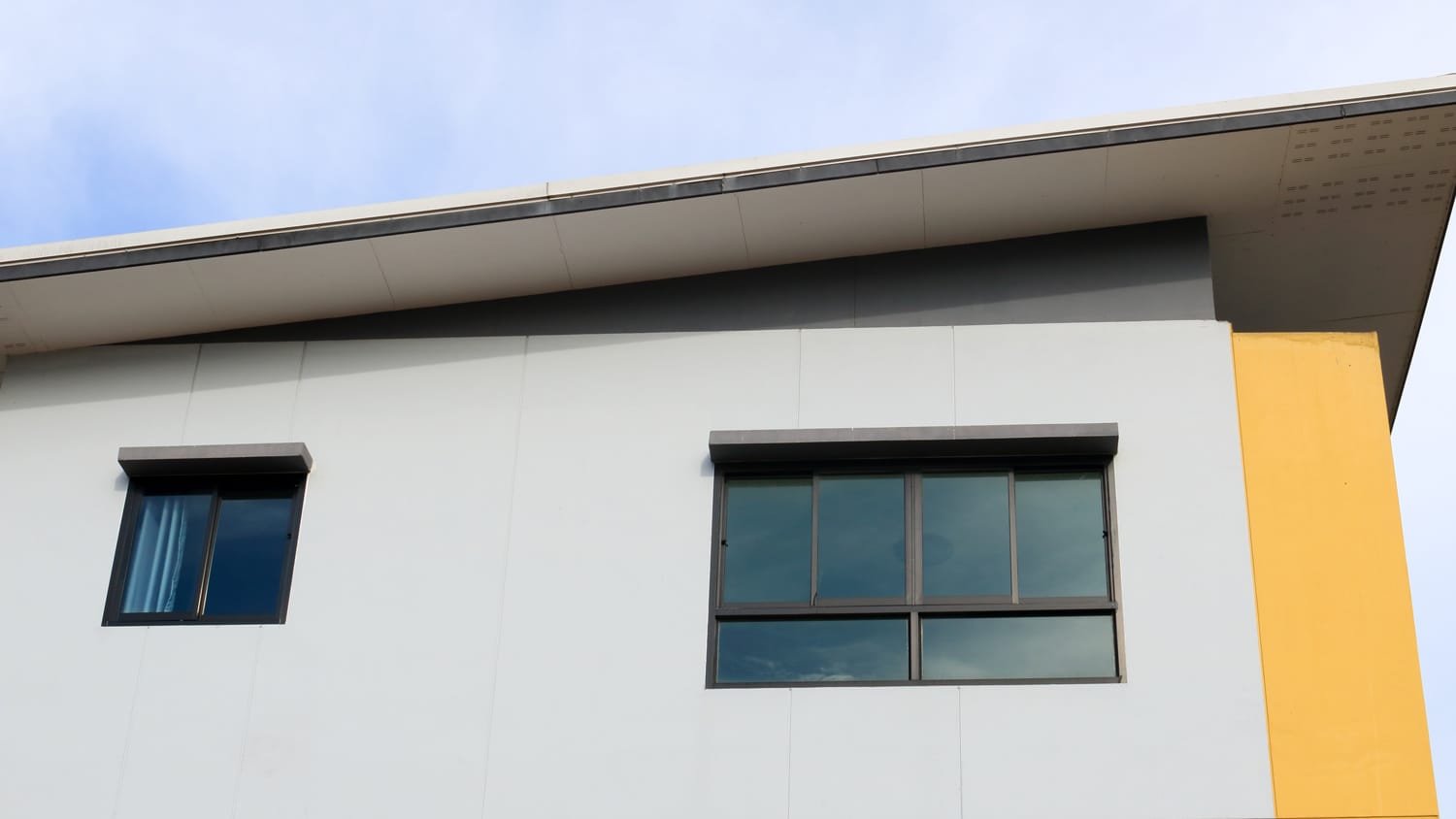
The visibility through tinted house windows depends on the lighting. During the day, when it is brighter outside, privacy film prevents people from seeing into your home. However, this effect reverses at night. If you have lights on inside, it becomes brighter indoors than outdoors, allowing people to see inside. To optimize privacy, you can select from various shades of film, ranging from lighter to darker, which affects how much is visible from the outside.
The Schurz, NV homeowners’ guide to window tinting services
From average costs to expert advice, get all the answers you need to get your job done.
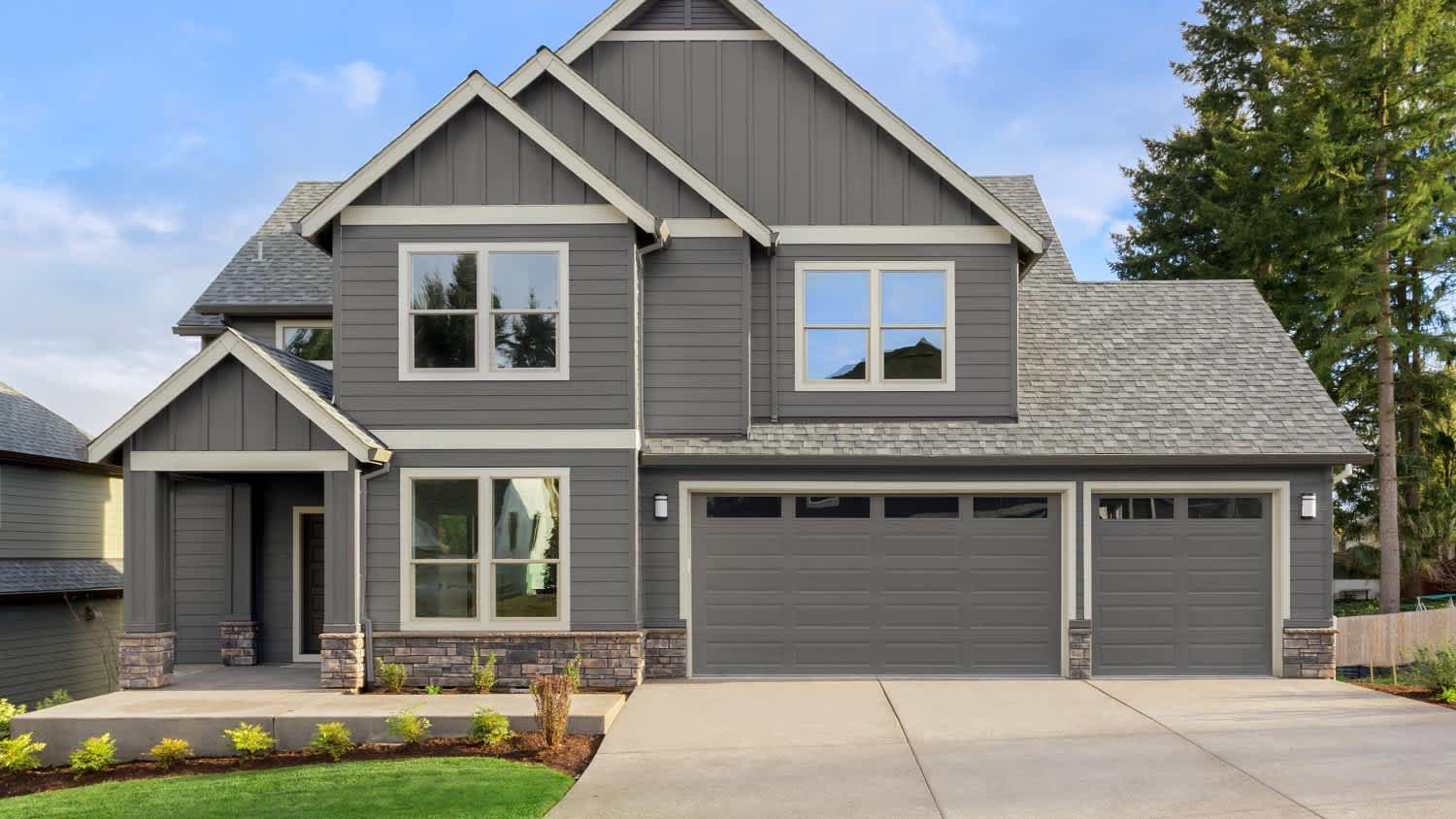
Tinting your home’s windows can add privacy, increase energy efficiency, and block damaging UV rays. Find out who tints home windows so you can hire the best.