"Spoke to several contractors about removing 60+-year-old trees due to circumstances out of our control that created a quick deadline for completion. Two of the trees were in a very difficult location with power lines above. Randy not only responded quickly to our call for a bid, but also was professional, knowledgeable, and honest about the project. We knew immediately he was the one to hire. The crew was professional, respectful and did a great job throughout the weeklong project. Despite complications and weather, they continued to handle themselves professionally and completed the project as promised. We would highly recommend them to anyone needing any type of work on their trees or property. We have used other tree services in the past and have been disappointed every time. I would tell anyone needing trees trimmed or removed, don't mess around with anyone else, call Northern Nevada Construction, LLC. also know as Mountain G.E.M. Services. It will be the smartest move you can make. Your project will be completed as bid, cost you less than other companies, will be completed as you wanted and they clean up the debris. You can breathe a sigh of relief that your project is done the right way by professionals who are also some of the nicest people weâve met in a long time."
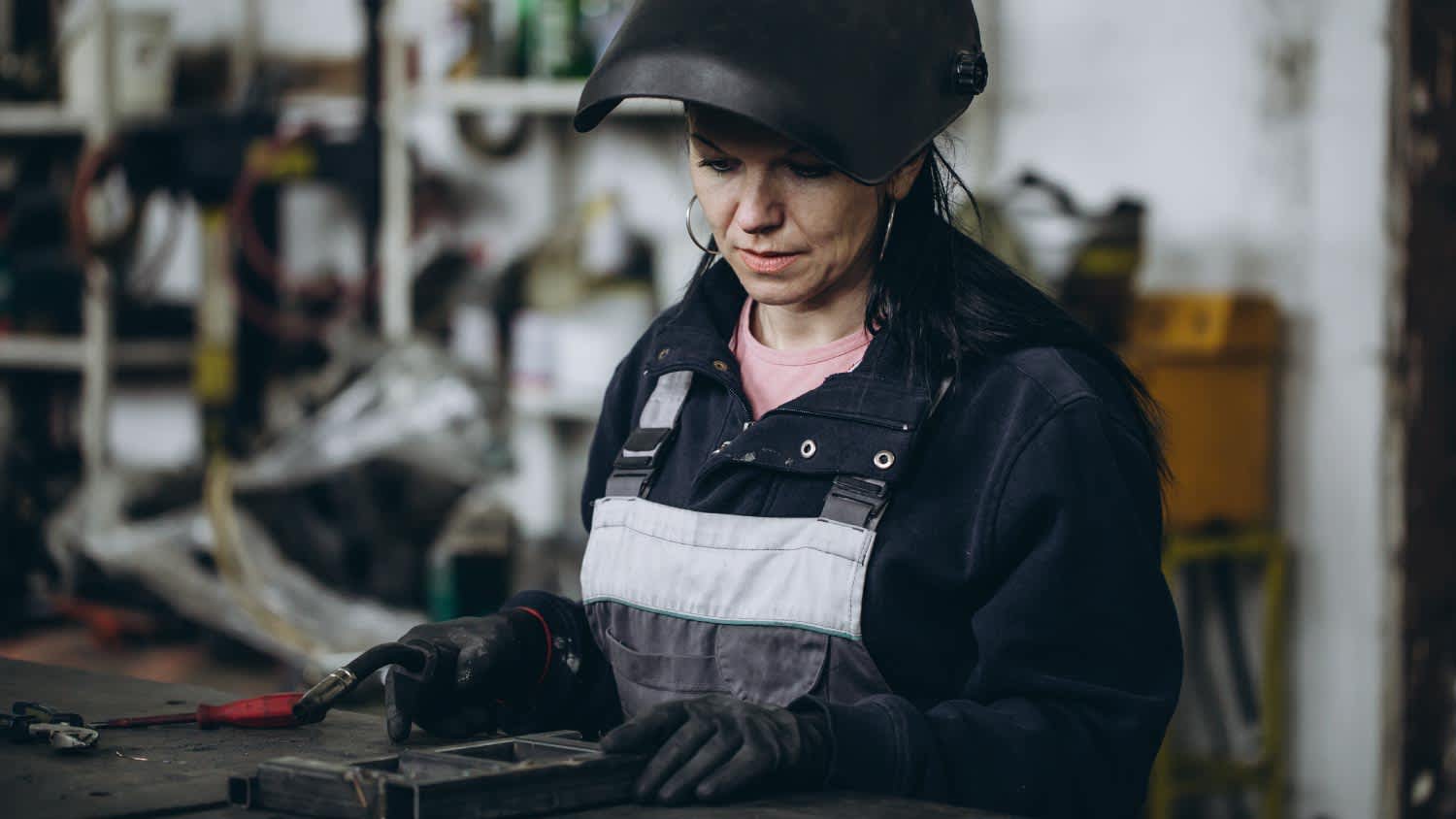
Welding/Metal Fabrication:\n\nWe're a locally owned and operated company with 10+ years of industry experience. We value honesty, precision, and craftsmanship, standing behind every project we take on. We specialize in custom welding, metal fabrication, and repairs for both residential and commercial needs. From structural work to decorative projects, we pride ourselves on delivering quality results with attention to detail. We look forward to building long-term relationships with our clients and guarantee your satisfaction!
We take great pride in our experience, expertise, quality, and customer service that we provide to meet the consumer's needs. It is our mission to provide excellent workmanship and complete customer satisfaction from start to completion of a project. In order to understand the needs and expectations of our customers, we take great care to work and communicate with every customer in a professional manner. Our reputation is based on service, safety, and quality, regardless of how large or small the job.\n \n
There are a few things you can ask welders before you hire them to get an idea of their experience and ability levels:
Are you licensed and certified?
How long have you been in the welding business?
Do you commonly do the type of welding I need?
Do you offer any kind of warranty for your work?
Do you charge by the hour or by the project?
How long do you expect my welding project to take?
What steps do you take to minimize errors in your work?
The cost to weld aluminum averages about $14 to $22 per pound. The type of metal factors into the overall cost of any welding project due to the cost of the materials and the expertise required to work with it.
Some of the most common metals used by welders include:
Magnesium alloy: $7–$16 per pound
Low-carbon steel: $11–$12 per pound
Stainless steel: $13–$15 per pound
Copper/brass: $24–$29 per pound
Cast iron: $38–$79 per pound
Titanium: $60–$85 per pound
You should not do your own welding unless you have the proper training and experience. Most home electrical systems can only handle MIG welding, which creates weaker bonds than TIG welding and won’t work on certain metals or metal thicknesses. Both welding forms usually require the use of shielding gas, which can be dangerous to store at home. Additionally, welding machines create temperatures of over 3,000 degrees, and the sparks can blind you if you don’t have the proper equipment. As such, it’s usually better to hire a professional welder for your welding projects.
Costs depend on unit complexity, labor, wall mounting needs, and additional accessories like floating shelves.
The average cost for a welding project is about $300, with typical costs ranging from $125 to $490. However, prices can be as low as $125 for very small jobs or exceed $1,200 for large or complex projects. Welders typically charge an hourly rate between $65 and $150, depending on their experience, and many charge a minimum fee to cover overhead and travel expenses. The total cost is influenced by several factors, including labor, the cost of materials like metal rods and shielding gas, the type of metal being welded, the project's size and complexity, and your geographic location. For a precise quote, it's best to ask a local welder for an estimate based on your specific project.
The Mcdermitt, NV homeowners’ guide to welding services
From average costs to expert advice, get all the answers you need to get your job done.
When you need help with a metal project and don’t have the expertise or the time, call an expert welder for your project. Here’s how to vet and hire a welder.