"Shane was my first contact (via phone) and was very knowledgeable and went above & beyond to answer all my questions. I tend to have pretty good discernment, and I immediately sensed I was dealing with an honest, straightforward company. Shane offered me an appointment 2 days later that s fast! Awesome when you re concerned about mold! Ray came to our house (a several hour drive to the Redding area!), and was prompt & called ahead to be courteous. Total genuine and nice guy (especially bc he s a dog lover ;) He wasn t rushed at all, answered all our questions (we had a lot), and actually said he likes & welcomes questions! After we received our report & invoice, I THOUGHT I was messaging my husband, lol, but I texted Shane: Thumbs up! They did thorough testing, & the price was still what was initially quoted! I highly recommend these guys!!"
Lead Testing and Removal questions, answered by experts
While the EPA provides guidelines for homeowners to perform DIY lead paint removal, it is a risky process and generally not recommended due to serious health risks and strict regulatory requirements. The process requires precise safety precautions, such as wearing a respirator and protective eyeglasses, creating sealed exits, and using a HEPA vacuum for cleanup. To ensure the job is done safely, effectively, and in compliance with regulations, it is highly recommended to hire a professional lead abatement company. Certified professionals have the necessary training, experience, and specialized equipment (like chemical strippers and HEPA vacuums) to handle and dispose of hazardous materials safely.
Hazardous waste is waste that poses a threat to human or environmental health. This generally refers to waste that is flammable, corrosive, toxic, or reactive. To confirm if the waste you need to remove is considered hazardous waste, contact your local hazardous waste facility.
No, a standard home inspection includes the basics and does not offer lead paint testing. Professional lead paint inspectors need specific licenses to perform these inspections, which not all home inspectors have. If you suspect lead paint in the home you are about to purchase, you will need to pay separately to have that done. If the findings come back positive, you may be able to negotiate with the buyer to cover the cost of the removal.
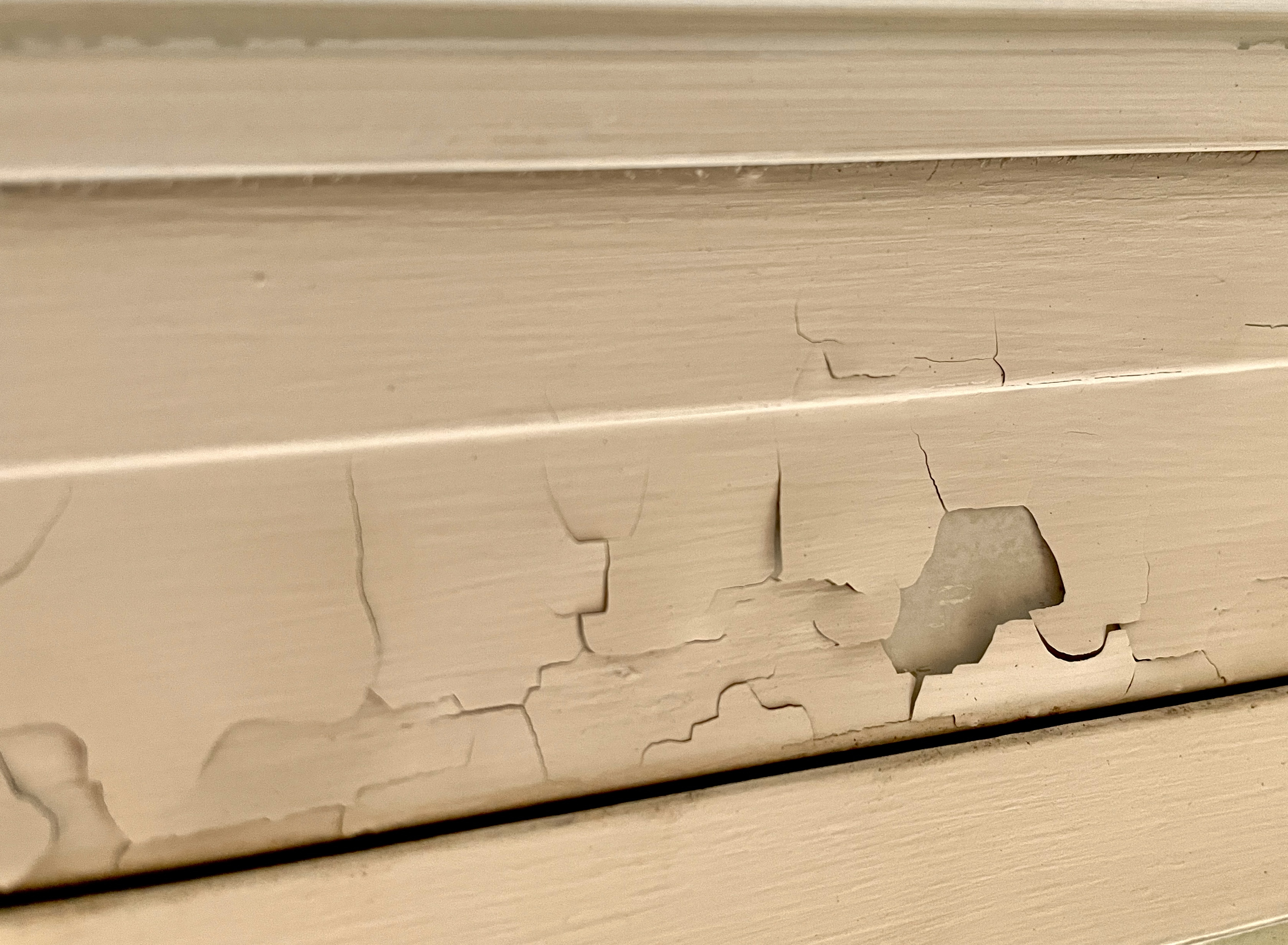
A lead paint inspection is a thorough examination and assessment of a building or structure to determine the presence of lead-based paint. Lead-based paint was commonly used in buildings before 1978 when its health hazards were fully understood. Lead is toxic and can pose health risks, particularly to young children and pregnant women. Getting a lead paint inspection means finding a lead paint inspector to examine the surfaces of the building—such as walls, ceilings, doors, windows, and other painted areas—and identify the presence of lead-based paint.
Lead testing in residential properties involves collecting samples from paint, dust, soil, or plumbing and analyzing them in certified laboratories to accurately identify lead levels.
The Lovelock, NV homeowners’ guide to lead testing and removal services
From average costs to expert advice, get all the answers you need to get your job done.
Get expert insights on lead paint inspection costs, including key cost factors and ways to save. Learn what affects your estimate and how to budget effectively.
Learn how to hire a qualified lead testing professional for your home. Find certified inspectors, understand costs, and protect your family from lead hazards.