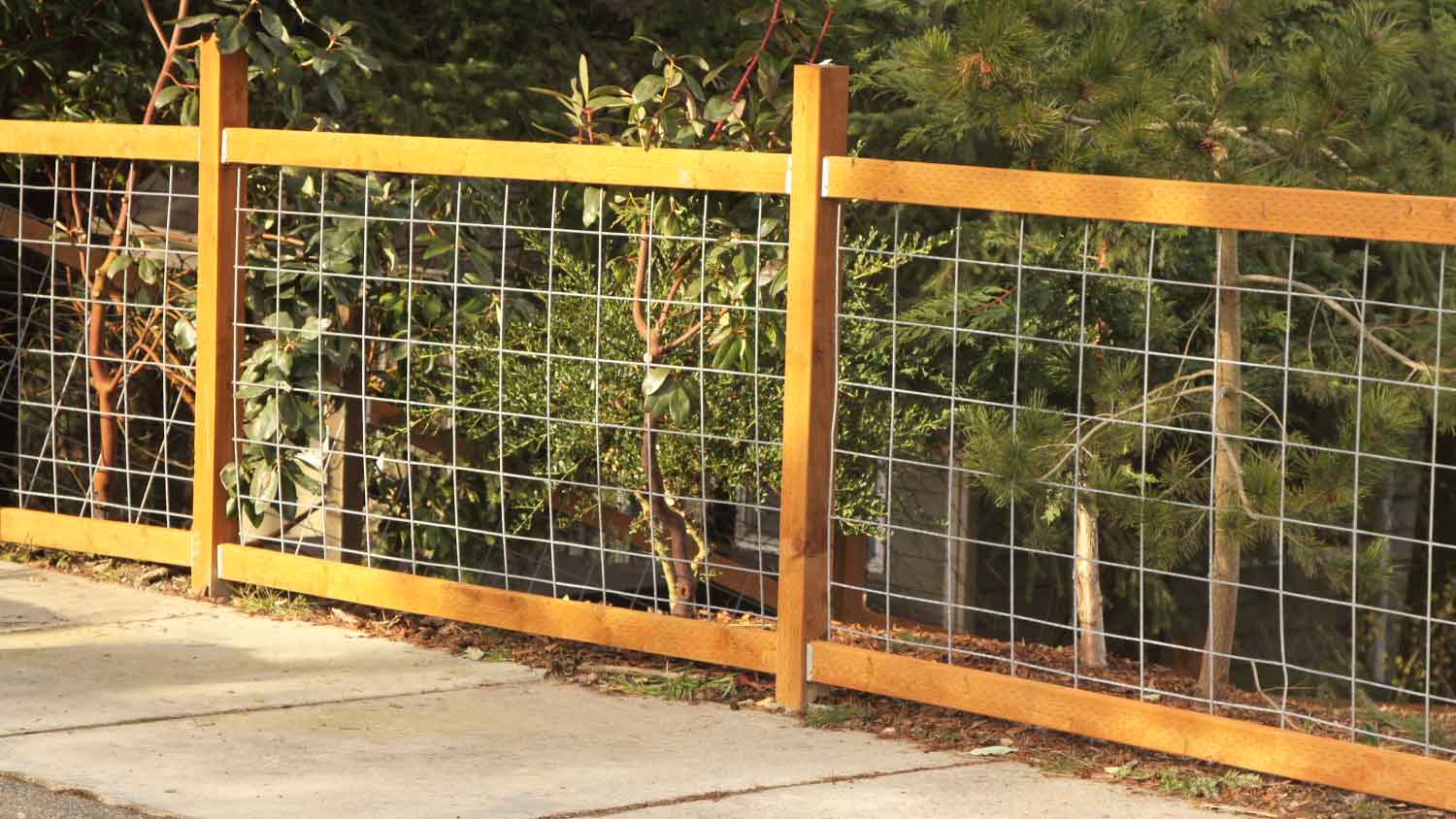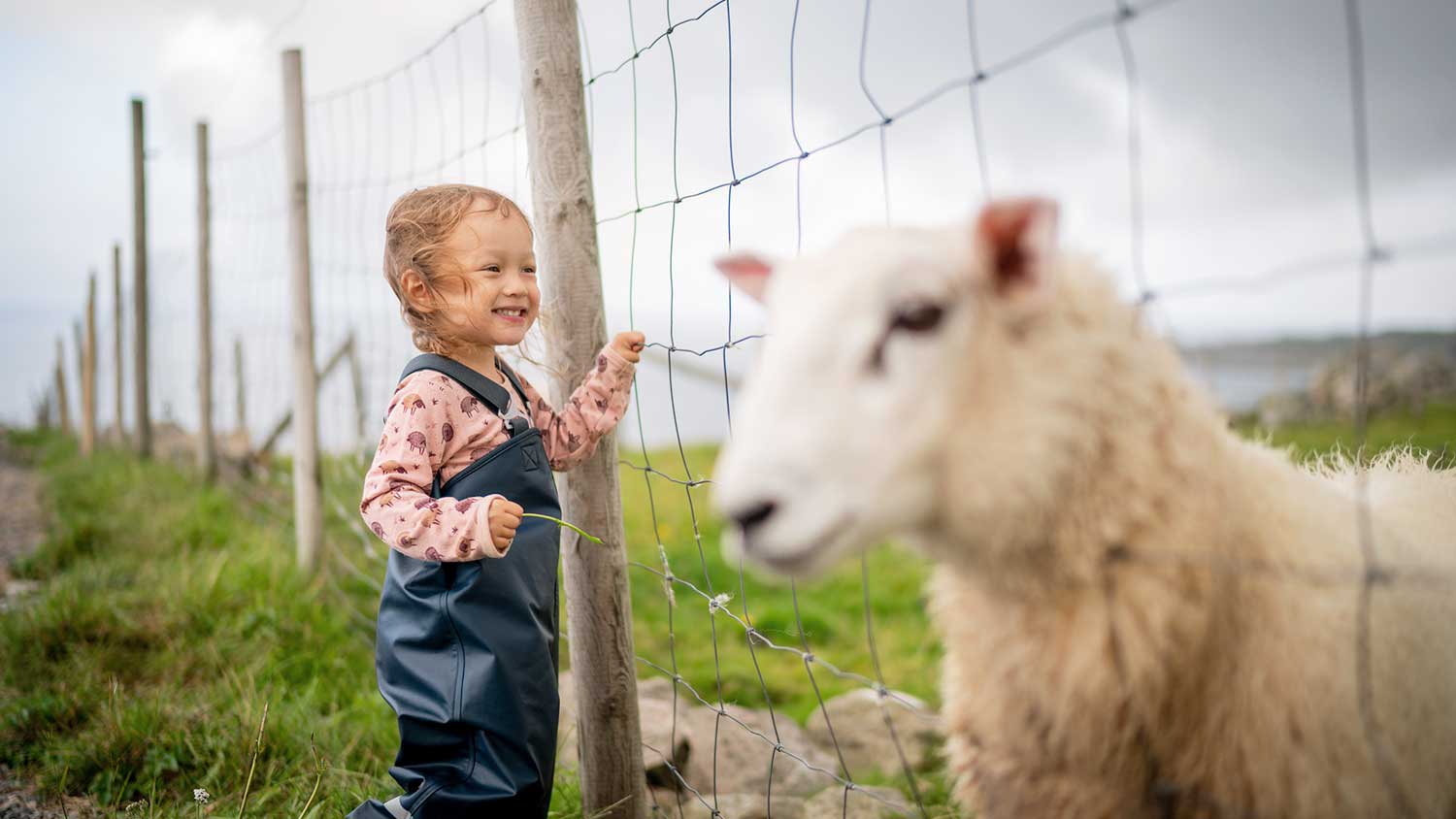
Fencing is one of the most effective ways to keep deer out of your garden, but there are other ways to keep deer away. You could put together a homemade deer repellent mixture using household items that deer hate. Mix hot sauce, garlic powder, liquid dish soap, and water in a spray bottle and spray it onto your plants. It won’t harm your garden or any animals but it will deter deer from chowing down. You can also plant your garden strategically by creating a perimeter of plants that deer don’t like to eat, herbs like oregano, mint, sage, and thyme.
The truth is, there really is no such thing as a 100% deer-proof plant. Deer will decimate even the prickliest flora if they’re hungry enough. However, there are plenty of beautiful plants that deer don’t necessarily enjoy. These include thistles, wisteria vines, sword ferns, and beautyberries.
Deer are herbivores, and they love vegetable gardens as much as Peter Rabbit. If you don’t want to fence in your entire property, consider creating an attractive raised-bed veggie garden with mesh fencing around it to keep out deer and other critters.
Identifying the specific animal running on your roof at night can be challenging without direct observation. Common nocturnal roof visitors include raccoons, squirrels, opossums, and rats. Raccoons are bigger and can create heavy thumping sounds. Squirrels are agile and may produce rapid scurrying noises. Opossums tend to move stealthily with less noise. Rats can make scratching or gnawing sounds. To determine the culprit, look for signs like footprints, droppings, or damaged areas near the roof. For accurate identification, consult a pest control professional or set up wildlife cameras near potential entry points.
If you discover a dead animal in your air ducts, address the issue promptly to prevent unpleasant odors and potential health hazards. Turn off your HVAC system to prevent further spread of contaminants and contact a professional HVAC technician or pest control specialist to remove the animal and clean the affected area. They have the tools and expertise to handle the situation, including removing and disinfecting contaminated ductwork. The technician will inspect the ducts for any damage or other issues that might have allowed the animal to enter.
Most types of lizards are active during warm summer daylight, especially when temperatures rise above 65 degrees Fahrenheit. Some lizards take cover under rocks or burrows on sweltering days to escape the heat, reemerging in the cooler afternoon. It is important to note that lizards are cold-blooded creatures that depend on their environment to regulate their body temperature.
The Jackpot, NV homeowners’ guide to animal fencing services
From average costs to expert advice, get all the answers you need to get your job done.
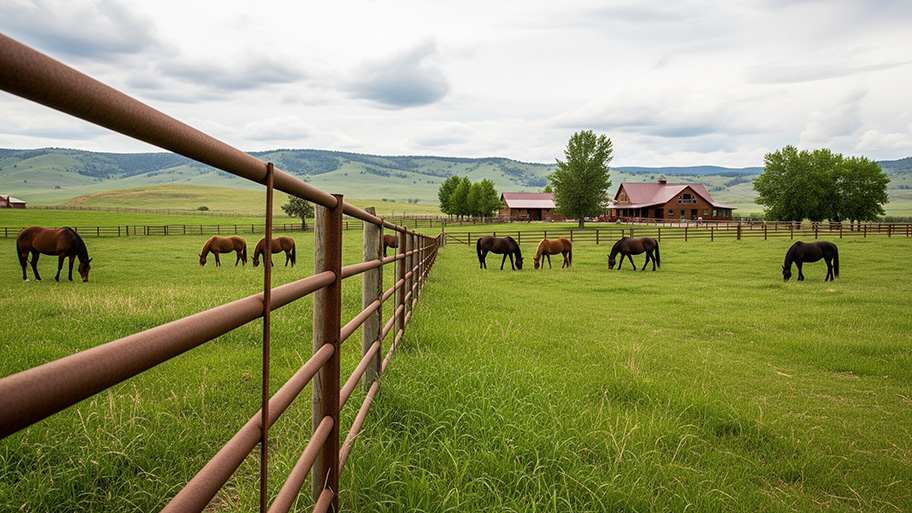
Pipe fencing is an extremely strong, durable option for containing horses and other livestock. This guide breaks down the factors that affect pipe fence cost.