"They were excellent, I would highly recommend. Everyone was very professional and showed up right when they said they would. They were gentle and everything arrived intact. They had us on the road in no time."
Ernz Painting is dedicated to providing our customers with the best quality and craftsmanship. We are here to build relationships with our customers and communities. No job is too big or too small! We look forward to working with you!
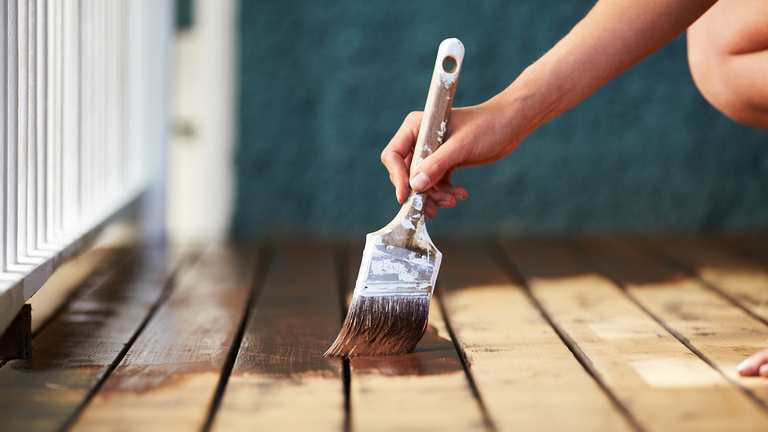
Ultimately, overapplication of stain can compromise the deck's appearance, durability, and longevity. It may result in an uneven finish, with excess stain pooling, dripping, or drying into thick patches. It can also obscure the wood's natural grain and texture, detracting from the desired aesthetic. Moreover, excessive staining may not fully penetrate the wood, leading to poor adhesion and premature wear. Additionally, thick layers of stain are prone to peeling, cracking, and blistering as they struggle to bond with the surface.
Unless you’re using a 2-in-1 formula or painting over an existing coat of paint, it pays to apply a coat of primer ahead of your new paint. Decks see a lot of footfall and exposure to extreme and sudden temperature changes and moisture levels. The primer promotes better paint adhesion, moisture repellency, and a smoother finish, which means you’ll often need fewer coats of paint.
Oxygen bleach uses hydrogen peroxide as a base and won’t harm wood when using it as a cleaner. On the other hand, chlorine bleach breaks down wood at the cellular level and causes irreversible harm. Although you may not see immediate damage to wood after exposing it to chlorine bleach, its strength and integrity are now compromised.
Whether to paint or stain a deck depends on your personal preference for appearance and budget. Stain provides a natural look with a range of undertones, is typically less expensive, and may only require one coat, but it does not last as long as paint. Paint offers a sleeker finish with a virtually unlimited color palette. Both options will protect your deck from outdoor elements like rain, snow, and general wear and tear.
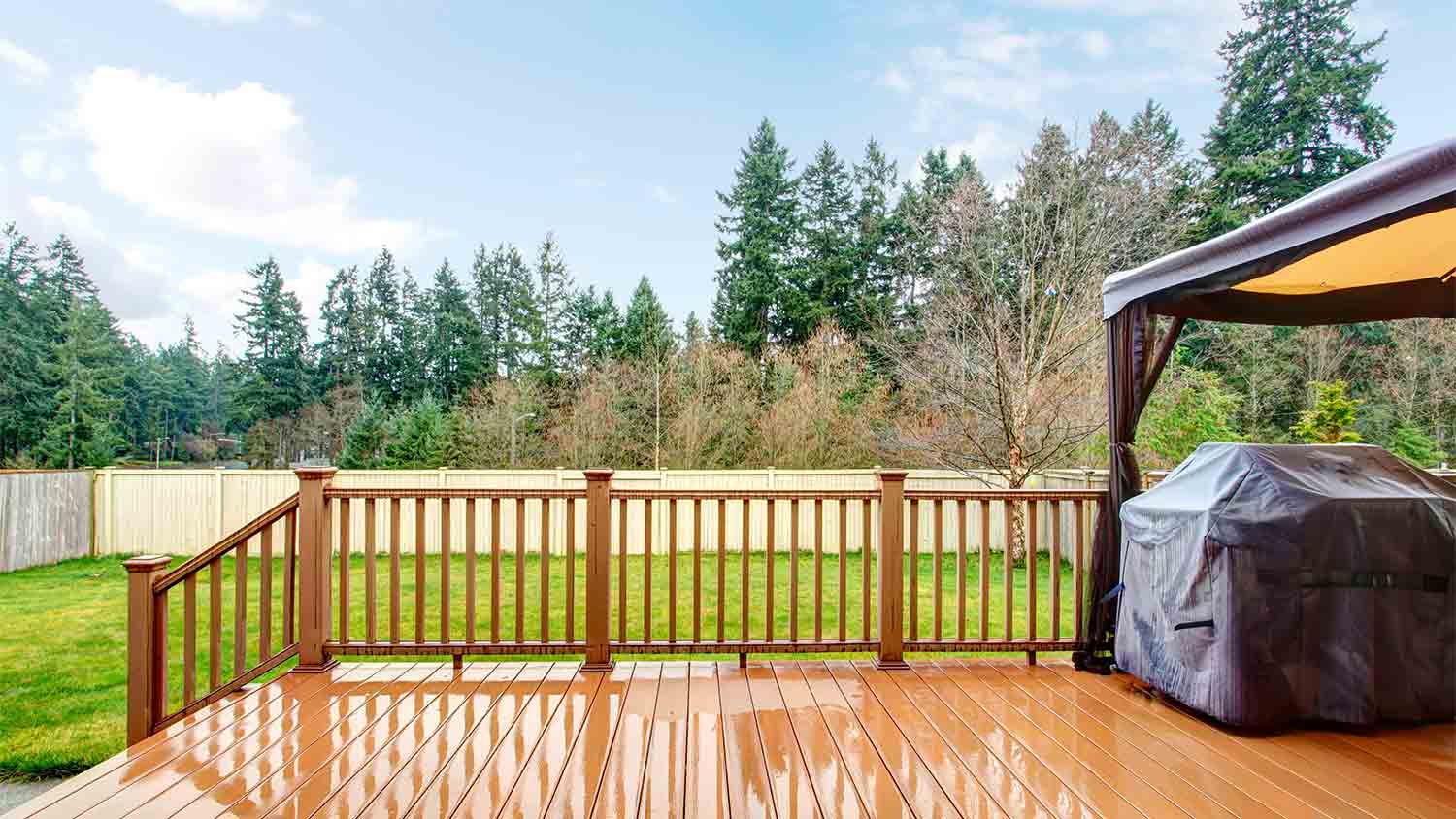
It’s necessary for paint to completely dry before exposure to rain, and that drying time varies by the type of paint used. Oil-based paint takes 6 to 8 hours to dry on average, meaning that’s the minimum time needed between the last brush stroke and the first raindrop. Latex paint dries faster at around 1 hour, and acrylic paint is even quicker, usually drying in about 30 minutes. If rain is in the forecast, check the paint manufacturer's details before laying on a new coat.
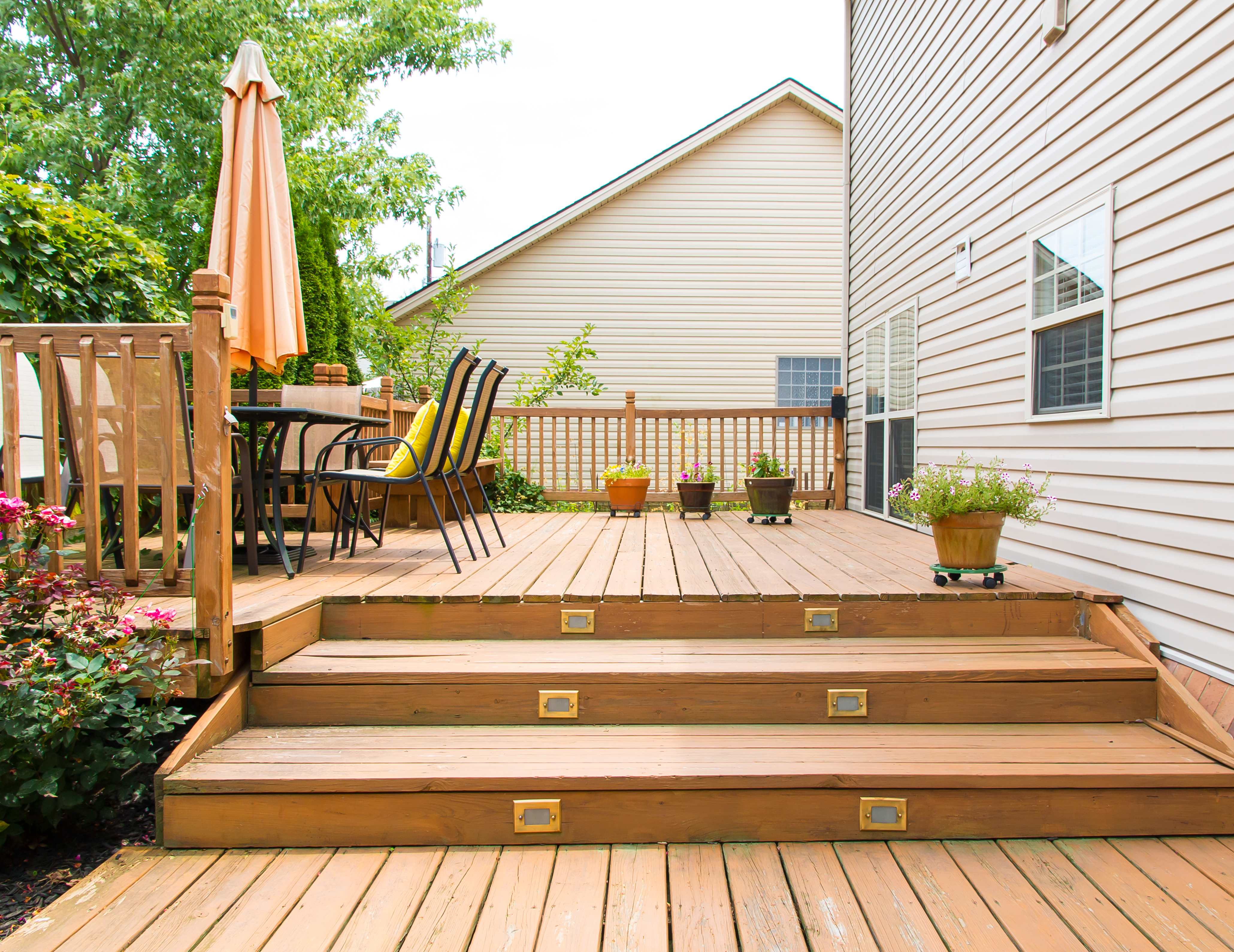
The Beowawe, NV homeowners’ guide to deck staining services
From average costs to expert advice, get all the answers you need to get your job done.
The best time to stain a deck is when it’s dry but not too sunny. How often you restain a deck depends on climate and wood type, but every two to three years is normal.