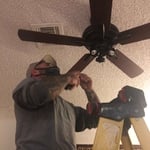
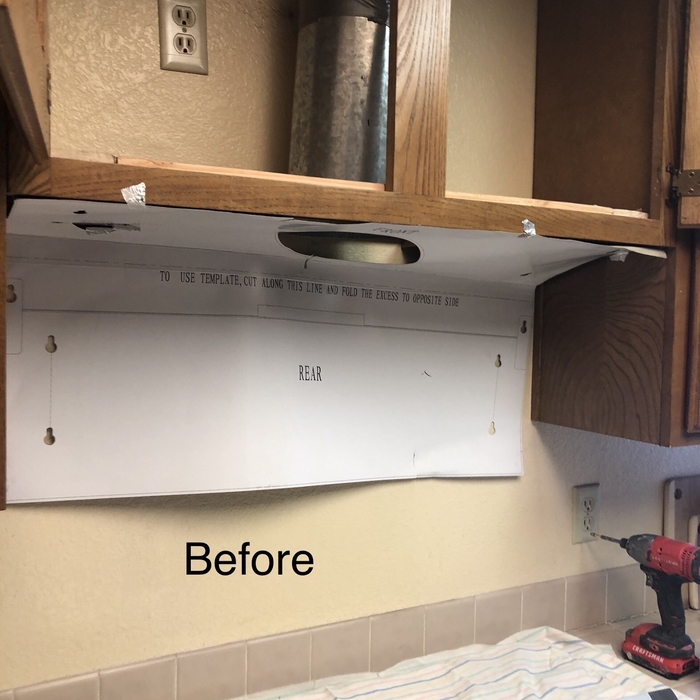
WhippCo Electric, LLC is your local electrical expert. Kenny feels that his success is a direct result of excellent customer service. He is on time all of the time. Please give him a quick call.
"I love American Shield. I love American Shield. I love them. We have 2 homes; this home is 30 years old, our home in California is twenty years old and we have used them in both places. A, number 1, plus, plus!"
We are an owner, operated Handyman company, specializing in home repairs! We are bonded and insured! Owner, Drew, and partner Dave, started the company to really help people in these difficult times! We guarantee your satisfaction and we won’t leave until the job is done right. We pride ourselves on the quality work we provide, offering affordable pricing, and delivering great customer service! From electrical, to plumbing, and anything in between, we can help! We also accept PayPal, Venmo, Zelle, and Cash App, in addition to cash, check, and credit/debit cards. Check out ALL of our services offered below and call or click to schedule a free estimate today! \n
I’m a highly motivated and educated young woman. I have goals I want to reach. I have things I’m striving for. I have a quality contractor. He is trustworthy and does quality work. He’s very talented with tools. We work together as a team to build this business. Our goal is to have happy customers who love our work.
The square footage of your room will dictate the correct ceiling fan blade size. For example:
Rooms smaller than 75 square feet require a fan that is 29 to 36 inches.
Rooms up to 175 square feet require 42- to 48-inch fans.
Rooms up to 350 square feet require 52- to 56-inch fans.
Expansive spaces over 350 square feet need a fan larger than 60 inches.
There’s no reason why you can’t install a ceiling fan anywhere in your home, such as in living rooms, offices, bedrooms, and dining areas. Most bathrooms already have ventilation and don’t need a ceiling fan. For safety purposes, avoid installing a ceiling fan where the blades will be less than eight feet from the floor, near bunk beds, or anywhere else they may hit nearby objects.
There are several telltale signs to let you know that your ceiling fan needs servicing or replacement. For instance, if it’s wobbling, rotating too slowly, or if your ceiling fan is making noise such as squeaks, buzzes, and thumps, it’s time to have it looked at by a professional. Not only may it indicate a potential problem with the fan itself, but it could also signal a red flag that it’s improperly assembled or there’s an issue with the wiring.
Ceiling fans are very often worth the investment because they improve comfort in your living space and help reduce utility bills. In the late spring and early fall—and even in the summer in some areas—homeowners with ceiling fans can often get away with open windows and fans, which can cut down on cooling bills and also reduce wear and tear on the HVAC system. Over time, ceiling fans can pay for themselves by saving you money on electric bills and air conditioner repair and maintenance.
If you’re replacing an old fixture with a ceiling fan, you usually won’t need a permit, but if your electrician runs new wiring for the fixture, you likely will need a permit. Building permits are necessary in most municipalities if you’re making changes to your electrical system, so even if you have partial wiring run to the area and need new wiring installed for added functionality, you’ll probably need a permit. Your electrician should be able to let you know if you need one, and they’ll typically file the paperwork for you.
The Beatty, NV homeowners’ guide to ceiling fan services
From average costs to expert advice, get all the answers you need to get your job done.
Discover the cost to install a ceiling fan, including labor, materials, and tips to save. Learn what impacts your price and how to budget for your project.
Ceiling fans cool down your home while stylishly accenting your space. With a variety of types of ceiling fan on the market to choose from, you can’t go wrong.
Although the risk is low, there are a few telltale signs that a ceiling fan will fall off your ceiling. This guide explains when to worry (and when not to).
With the right size, ceiling fans are an energy-efficient way to cool a room. Use this ceiling fan size guide to find the perfect model for your space.