"We are still in the budgeting phase and have not contacted yet however Scott Hughes of Groundwork’s was a great resource. He provided detailed information on the issues and how they would resolve them for us."
We at Reyes Concrete Services live and breathe concrete. We love helping homeowners realize their dreams and vision for their property. We have also worked with companies of all sizes for the past 20 years. We are committed to our customers and excellence in every aspect of our business. We uphold a standard of integrity bound by fairness, honesty, and personal responsibility. Our distinction is the quality of service we bring to our customers. Accurate knowledge of our trade combined with ability is what makes us true professionals. Above all, we are watchful of our customers' interests, and make their concerns the basis of our business.
Concrete Mudjacking questions, answered by experts
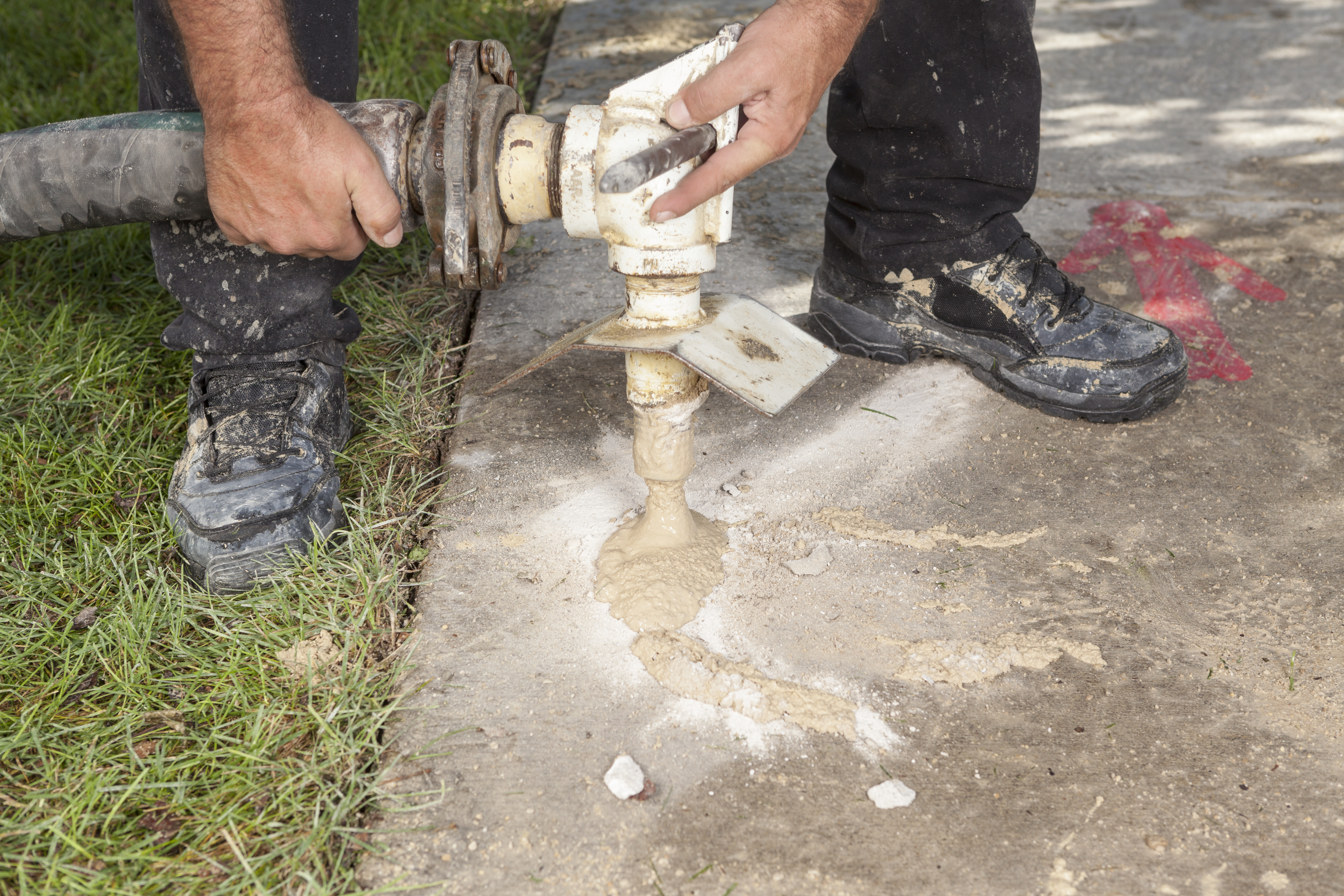
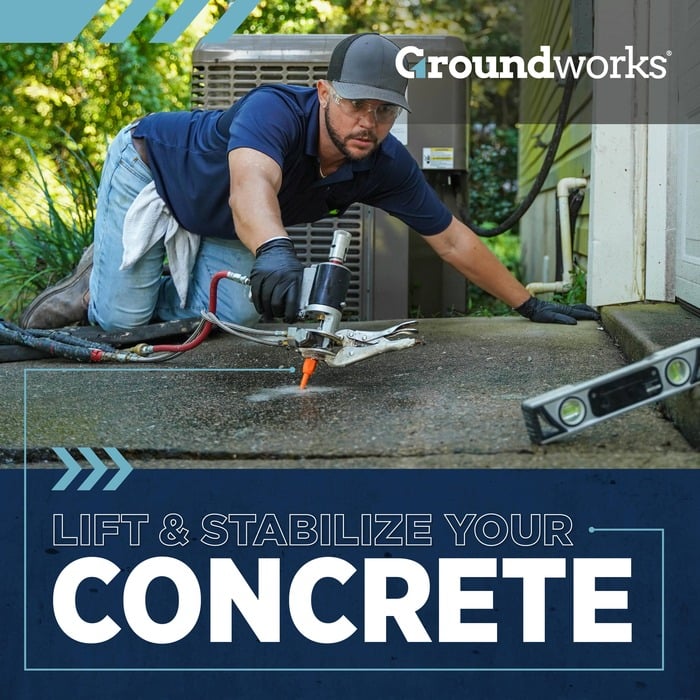
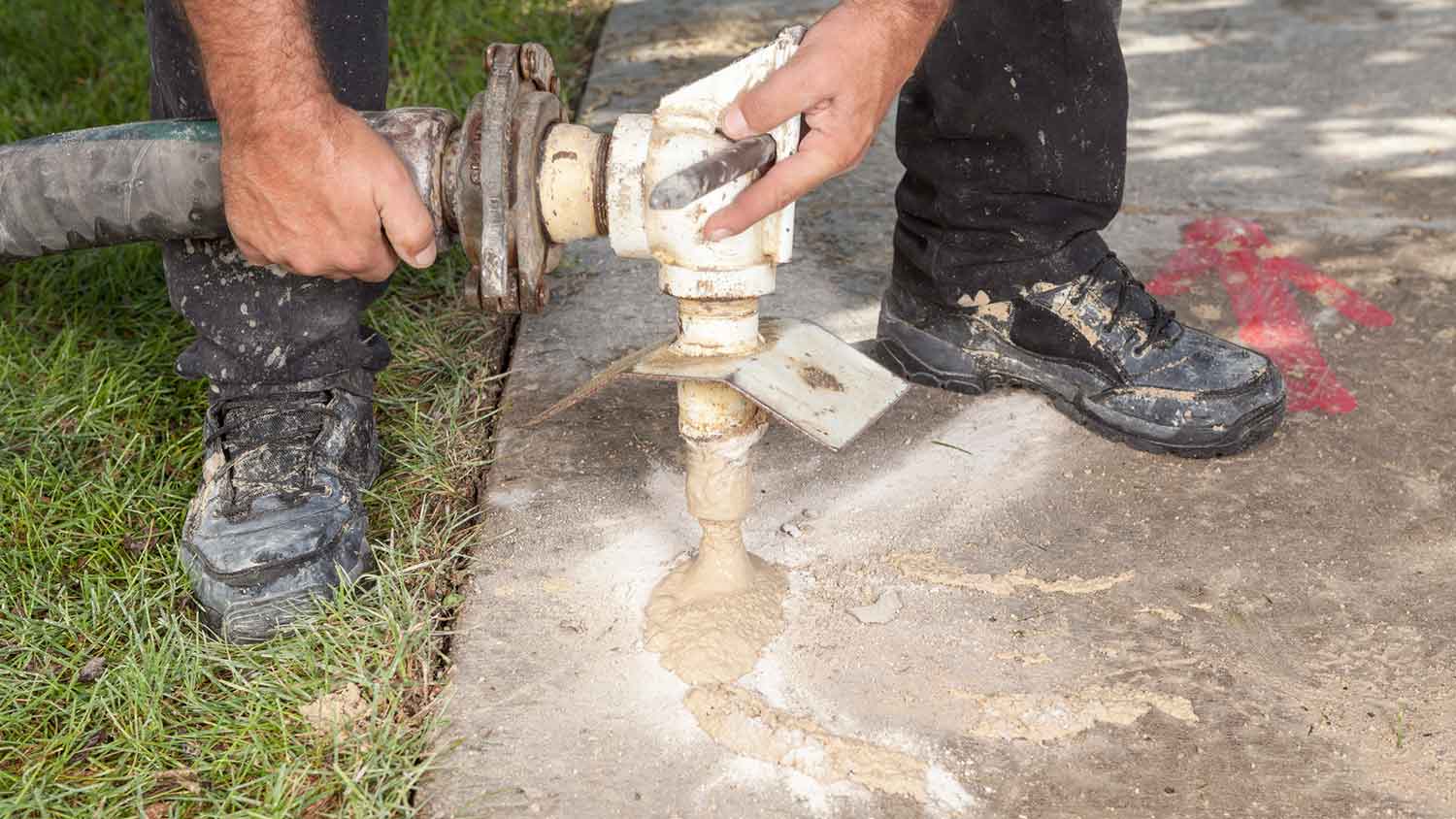
Pros often use mudjacking or polyurethane foam injection to level a sunken concrete patio. Both methods lift the slab by filling voids beneath it. After properly compacting the soil beneath it to prevent future settling, the concrete may need to be removed and re-poured for severe sinking.
Mudjacking typically takes 24 to 72 hours (one to three days) to dry and cure completely before you can resume normal use. The exact time can vary depending on the size of the project. Because the slurry mixture contains cement, it must fully harden to ensure that added weight from walking, furniture, or vehicles won't shift the concrete slab. A professional contractor can advise you on when the surface is safe to use. For comparison, if you use polyjacking instead, the polyurethane foam can dry in just a few minutes, but it's best to wait about an hour before use.
It restores concrete, prevents replacement cost disruptions, reduces trip hazards, and provides stability at a lower cost.
Concrete leveling is absolutely worth it if you have sunken concrete slabs and want to restore them to level, especially if the slab is part of your home foundation. Concrete leveling is less than half the price of replacing concrete sidewalks, patios, walkways, and pool decks, and it’s about a quarter of the cost of replacing a foundation. If you also treat the underlying problem, it can be a worthwhile and permanent solution.
Yes, you can mudjack cracked concrete, but the cracks will need to be repaired once the concrete has been leveled. If the concrete is severely cracked in multiple places, replacement may be a better option, but for less severe cracking, mudjacking is a good solution as long as cracks are correctly caulked and sealed.
The Vaughn, NM homeowners’ guide to concrete mudjacking services
From average costs to expert advice, get all the answers you need to get your job done.
DIY mudjacking is an advanced task, but learning how to raise a concrete slab is great to know for many scenarios. Let's take a look at how to DIY mudjack.