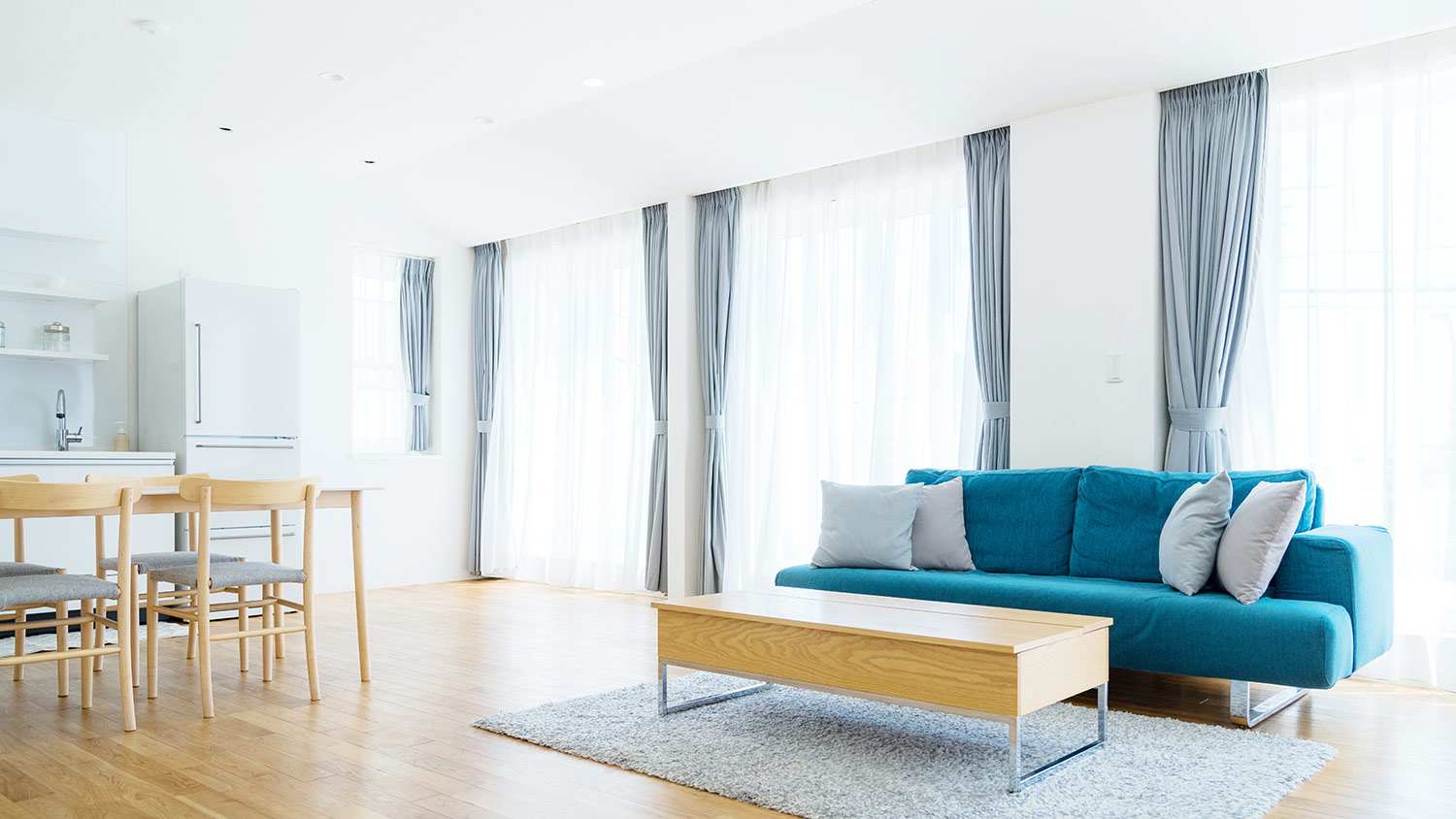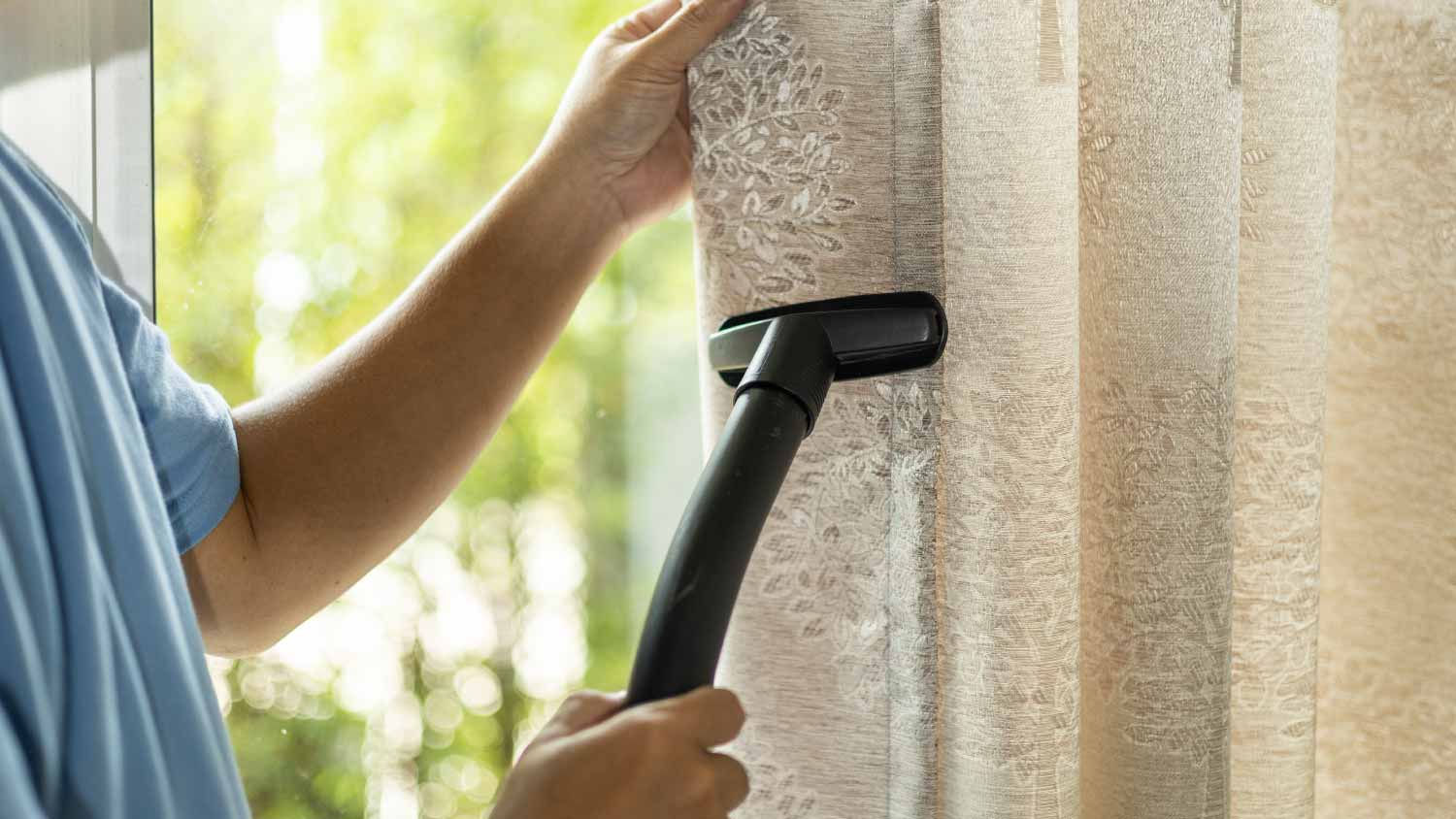
Costs depend on fabric type, drape size, cleaning method, and whether additional services like pressing or deodorizing are included.
There are several ways to store clothes properly and keep them smelling good. You can keep clothing in a climate-controlled closet for best results, but if this isn’t in your budget, there are many DIY solutions. From using air freshener sprays to keeping a box of baking soda in the closet, you can eliminate unwanted odors. Always store clean, dry clothes in the closet to minimize odors.
Regarding UV protection for furniture, synthetic fabrics like polyester and acrylic are some of the best choices. They have inherent UV-blocking properties and can withstand prolonged sun exposure better than natural fabrics like cotton or silk. Additionally, outdoor-specific fabrics for patio furniture often include UV-resistant treatments to enhance sun protection. Fabrics like these have become softer and more comfortable, making them suitable for interior spaces like sunrooms and other spaces brimming with natural light.
Yes, professional drape cleaning is often worth the investment. A professional cleaning service can remove accumulated allergens like dust, pollen, and pet dander, which is especially beneficial for households with allergy sufferers or individuals with respiratory issues like asthma. This process also effectively eliminates odors from cooking, pets, and daily life, helping your home look and smell fresh while improving indoor air quality. Furthermore, hiring a professional ensures that the correct cleaning methods are used, preventing damage to the fabric. It is generally recommended to have drapes professionally cleaned every four to five years, with regular light vacuuming in between.
You should avoid using a pressure washer on any surface or item that could be damaged by the high-pressure spray, as some materials are too delicate to withstand the force.
Key items and surfaces to avoid include:
Electrical Components: Never pressure wash electrical systems, as water can cause short-circuits and create a safety hazard. This includes utility meters, breaker boxes, electrical outlets, generators, and HVAC or air conditioner units.
Delicate and Fragile Materials: Fragile items can crack, shatter, or be stripped by the pressure. Avoid pressure washing windows, glass, light fixtures, shingled roofs (especially asphalt), and stucco.
Painted, Stained, or Sealed Surfaces: Unless your goal is to strip the finish, do not pressure wash painted surfaces, stained wood (like decks), or anything with a protective seal that could be stripped away. Be especially cautious with older surfaces that may contain lead paint.
Soft Woods and Certain Decking: Delicate surfaces like softwood, composite decking, and antique or wooden patio furniture can be etched or damaged. If you must wash wood, use a lower-powered pressure washer with a wide-angle nozzle to prevent damage.
Living Things: Never use a pressure washer on people, pets, or plants. The force can cause serious injury and will destroy landscaping.
The Santa Rosa, NM homeowners’ guide to drapery cleaning services
From average costs to expert advice, get all the answers you need to get your job done.
Call in the professionals when your delicate drapes need a deep clean. Let's take a look at drapery cleaning costs and which factors can sway the price tag.
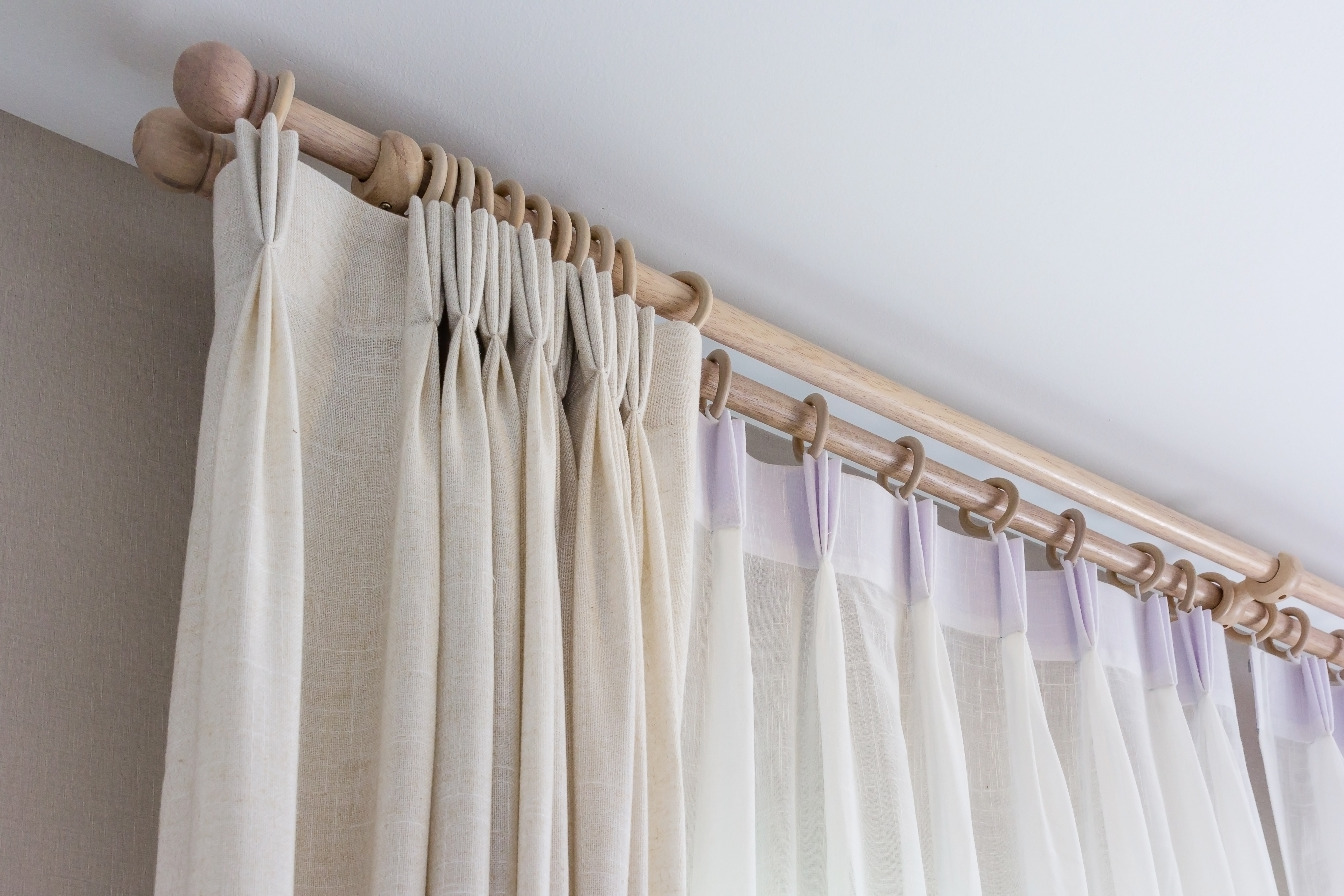
Cleaning window treatments can make a world of difference in how bright and clean your room looks. Use this guide on how to clean curtains to make a big impact.
Trying to decide whether curtains or blinds are best for your space? This article compares seven key features and gives you our choice for what’s best. While the ultimate decision is yours to make, we shed light on the pros and cons.