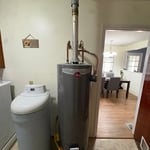
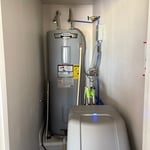
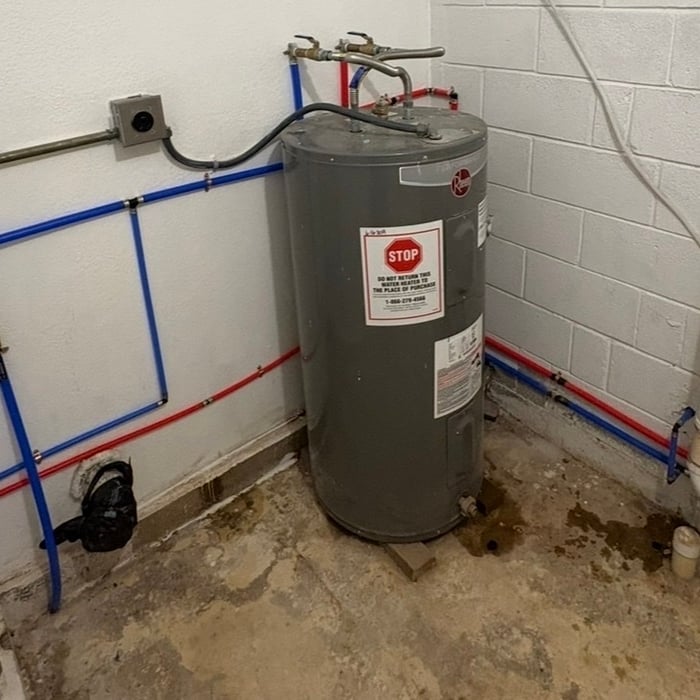
"Glenn’s crew was very friendly worked very efficient and clean was a pleasure to have in my house. His rates were reasonable and he did what he said he would do and showed up when he said he would. I would highly recommend Glenn’s plumbing."
"Not good. We had just replaced an element and they told us it was the wrong one and took the element but we had just put on and was going to bring back the proper one as well as the one that they had taken off they brought back a different one never brought back the new one that they had taken off but I had already replaced and two days later the furnace quit blowing hot air againI was told it would be more than a week before somebody could get out there and I had a newborn baby that was born less than a week earlier.. needless to say we ended up calling another company and the element was not the problem it's just that they were dirty posts on one of the firing pins it took a minute half with steel wool to clean it off and my furnace works works great ever since.
we won't be using them again for our heating needs "
Yes, rats can come up through drains. They can crawl through basement floor drains, lateral house drains, and roof drains. Installing rat blockers in your drains is the best way to repel rats and prevent them from entering your pipes. These are one-way valves that allow water and waste to flow out but keep rats from getting in.
If the toilet is overflowing but there’s no clog, that’s a sign that the issue is deeper in the system, and plunging may not help. A blockage in your home’s plumbing, the plumbing vent, or even city sewer lines can cause toilets to overflow. The issue could also be the toilet itself if the filler float isn’t set to the correct height or if parts are damaged or worn out.
Using less toilet paper is the easiest way to prevent future clogs. Also, avoid flushing sanitary products, thick paper towels, or hair down the toilet. If you’ve been using a brick in the tank to reduce the water used to flush the toilet, take it out immediately. Bricks will eventually fall apart and clog your toilet drain. Keeping your toilet lid closed also helps avoid future clogs.
You could be smelling sewer gas in your kitchen because of a dry P-trap, clogged vent pipe, or leaking plumbing seals. If you smell a rotten egg odor, check your sink’s P-trap and plumbing connections first. A clogged or damaged vent pipe can trap sewer gas and push it back into your kitchen through the plumbing pipes. Loose or deteriorated seals around drainpipes can also allow sewer gas to leak out. If you can’t find the source, call a local plumber for expert help.
To prevent drain clogs, perform regular maintenance and cleaning. Avoid disposing of substances like grease or coffee grounds down the sink. Additionally, installing and routinely using drain strainers can help catch debris and prevent blockages from forming.
The Lake Arthur, NM homeowners’ guide to sewer cleaning services
From average costs to expert advice, get all the answers you need to get your job done.
A clogged main sewer line can lead to gas or wastewater leaks. Find out what main sewer line clog repair costs by type of service, clog severity, and more.
The best way to keep your sewer line running smoothly is with some regular maintenance. But don’t worry—it doesn’t take much effort. Read on to learn how.
When was the last time you gave your sewer system some attention? If it’s been a while, it might be a good idea to clear any debris out of your sewer line.