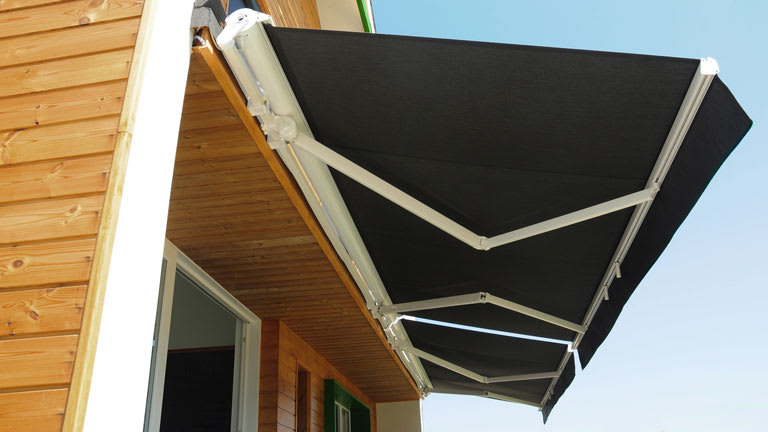



Top-rated patio cover pros.

Get matched with top patio cover pros in La Plata, NM

Enter your zip and get matched with up to 5 pros

Need a pro for your patio cover service project in La Plata, NM?

Select your specific project to find the pro for you.

Find Patio cover pros in La Plata

D & R Services
4.6(
47
)

Serving La Plata, NM and surrounding areas

In business since 2010

Free estimates

Emergency services offered

"Aside from the delay in making an appointment, everything went smoothly.  He arrived exactly on time and cleaned up afterwards. One edge of the drywall did  not hit the stud so he worked with  a leftover piece of wood  I had  to fix that problem.  All other materials were provided by them.  The gap on the adjoining wall (between the wall and the garage door) was also covered.  Overall I was very pleased with the work.
"
Additional Photos
stamped concrete and curb
tile

+107

Recommended by82%of homeowners

Avatar for Jirons Transport & Mobile Welding Repair
Jirons Transport & Mobile Welding Repair
5.0(
1
)

Serving La Plata, NM and surrounding areas

In business since 2020

Free estimates

Emergency services offered

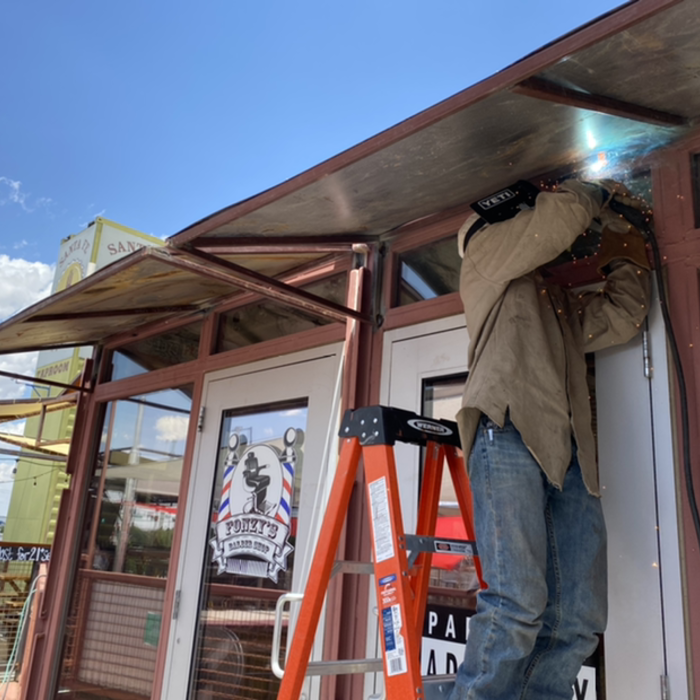
Mobile Welding Services: Gates, Hinges, Stairs, Handrails, Doors, Storage Tanks, Equipment, Farm Maintenance, Equipment Repairs, ETC... (available 24/365. Emergency Welding Repairs. Pipe Fences, Barns, Gates, sheds, carports available as well)\n\nCall us today for a free quote! \n

Additional Photos
Additional Photos
Additional Photos
Additional Photos
Additional Photos

+34

Recommended by100%of homeowners
Patio Covers questions, answered by experts

The cheapest material for covering a tennis court is rubber or clay. Rubber needs to be installed over a concrete or asphalt base, however, which can make the project more expensive up-front (but cheaper to resurface over time). Clay courts are among the most affordable, but they aren’t the best to play on and require a lot of maintenance.

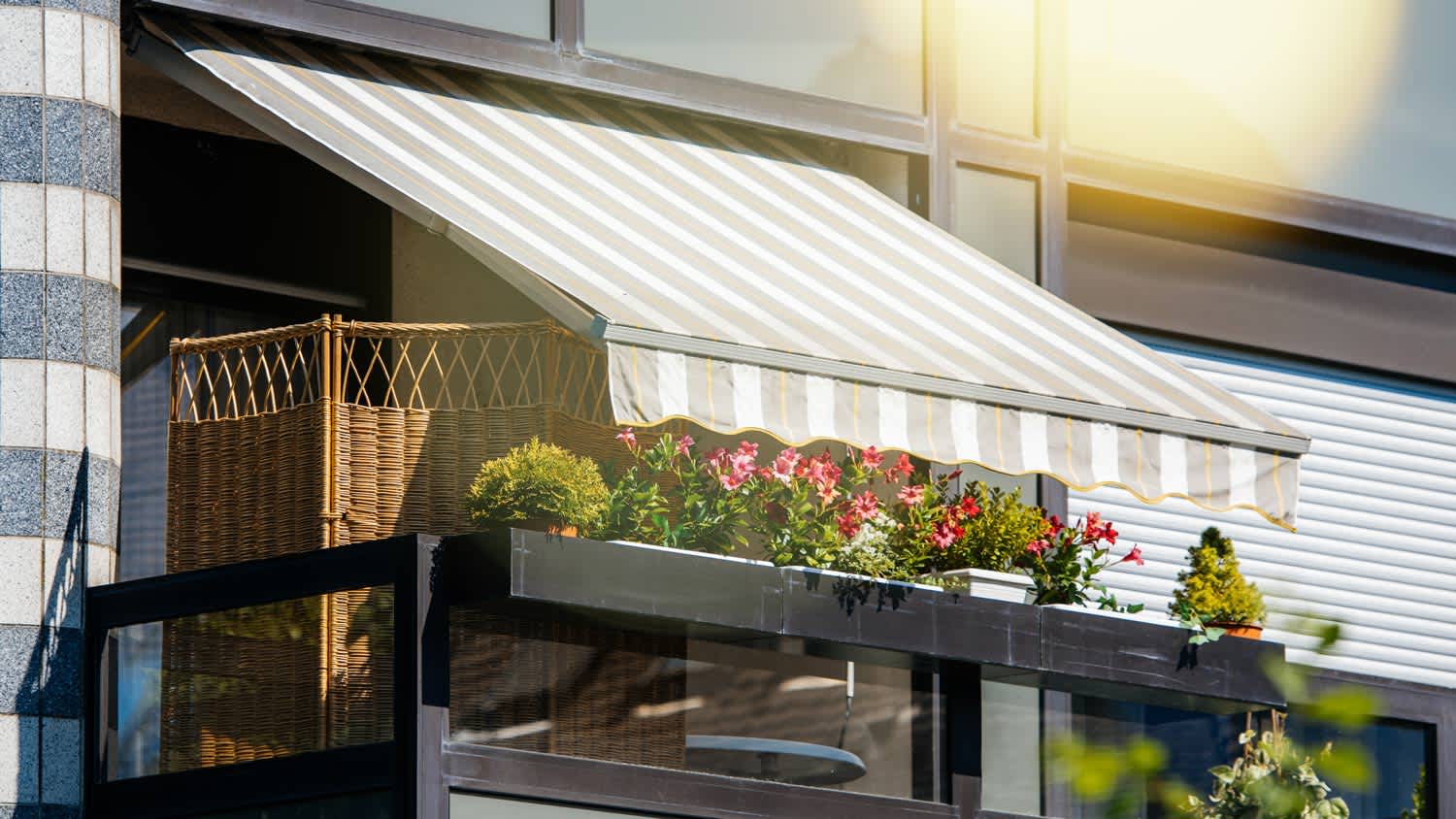
Awnings offer a number of benefits, including:

  • Reduced summer home cooling costs with lower solar heat gains

  • Protection from sun, rain, and snow damage

  • Increased curb appeal for your home

Keep in mind that awnings also have drawbacks, including the potential to reduce your view, block natural light, and create new occasional home maintenance needs.

Hurricane fabric is a temporary form of hurricane protection that offers an alternative to boarding up windows or installing traditional storm panels. Unlike hurricane screens, which are permanently attached to your home, hurricane fabric is installed over your windows and other openings before a storm.

In terms of effectiveness, hurricane fabric is tested and proven to protect homes from Category 5 hurricanes, which can have winds over 157 miles per hour. When installed properly, it is designed to block the majority of wind and rain and protect against water, debris, and projectile damage.

While the fabric is exceptionally durable, windows can still break if hit directly by flying debris at high velocity. However, it is a good protective measure against an impending storm. For comparison, hurricane fabric is more protective and durable than hurricane window film. While boarding up windows is easier than installing the fabric, it is more labor-intensive and requires storing heavy plywood.

To further increase the chances of your windows surviving a hurricane, you can take additional steps like securing outdoor items, elevating HVAC units, and fortifying your home's foundation.

It’s best to opt for a lightweight roof, as a heavy roof adds a lot of weight and pressure to the support posts and hardware and destabilizes the structure. Vinyl is a good, lightweight option, as is a nice open trellis, louvered aluminum or vinyl slats, or fabric panels. Clear polycarbonate is another great option that offers seamless shelter and additional UV protection without completely obscuring the sunshine. You can also choose retractable coverings or an awning that you only use in wet weather or when you need additional shade.

It’s best to keep your awning retracted if winds are 25 miles per hour or more to make sure your awning doesn’t sustain irreparable damage due to wind. Some awnings can take winds up to 30 miles per hour without any damage, but it’s best to consult the manufacturer’s guidance. A good rule of thumb is if it’s too windy for you to comfortably stand outside, it’s time to bring the awning in.

The La Plata, NM homeowners’ guide to patio cover services

From average costs to expert advice, get all the answers you need to get your job done.