





Pool Table Assembly questions, answered by experts
The total time to install an inground pool typically ranges from 8 weeks to 4 months. This timeline can be influenced by several factors, including permitting, site preparation, and the construction process itself.
Key phases and their typical durations include:
Permits: Obtaining necessary permits can take anywhere from two to six weeks.
Excavation and Site Preparation: This phase takes about a week but can be extended by problematic soil, unexpected ground conditions, or the need to move underground utility lines.
Construction: The actual build, including plumbing and electrical work, often takes one to two months. The pool material is a major factor here; a concrete pool needs about 30 days to cure, while installing a fiberglass or vinyl liner is much faster.
External factors can also cause significant delays:
Contractor Availability: Spring and summer are busy seasons, and high demand can lead to long waitlists, potentially adding months to your start date. It is often recommended to start planning and getting estimates up to a year in advance.
Other Delays: Weather, material shortages, complex designs, and other unforeseen challenges can extend the project timeline.
Yes, adding a pool to your property will almost always increase your homeowners insurance premiums. This is because pools are considered a greater liability due to their potentially hazardous nature, and the added replacement cost of the pool is factored into your home's rebuilding cost when considering coverage limits. The amount of the increase can range from as little as $50 to a few hundred dollars more per year, depending on your insurance provider, location, current coverage, and the safety features installed. Before building a pool, it is highly recommended to contact your insurance agent to get an estimate, discuss their specific guidelines and requirements, and factor the increased premium into your total pool installation costs.
Yes, too much chlorine can make your pool cloudy, especially after you have recently shocked it. However, low chlorine levels are a more common cause of cloudy water. An imbalance in pH or an excess of any chemical can also lead to cloudiness. To determine the specific cause, you should test your pool water to check the levels of chlorine, pH, and other chemicals. Regular maintenance is essential for keeping your pool clean and clear.
If your pool’s pH level is too high, chlorine won’t be as effective. Since chlorine is responsible for sanitation and keeping bacteria out of your pool, a high pH level could create a higher risk for bacterial diseases. It can also make you more susceptible to rashes and infections (like swimmer’s ear). Need to lower your pool’s pH? You can do it yourself for between $5 and $40.
A qualified pool contractor who is familiar with local regulations can assess your yard and let you know if it’s feasible to install a pool. Whether or not your yard is suitable for a pool depends on a number of factors, including the size of your yard, the placement of utility lines, your yard’s terrain, and more. It’s a good idea to see if it’s even possible to put a pool on your property before you get too far into planning.
The La Junta, NM homeowners’ guide to pool table assembly services
From average costs to expert advice, get all the answers you need to get your job done.
Pool covers are a great way to maintain safety, reduce cleaning, and even bring down utility bills. Learn how much a pool cover costs in this price guide.
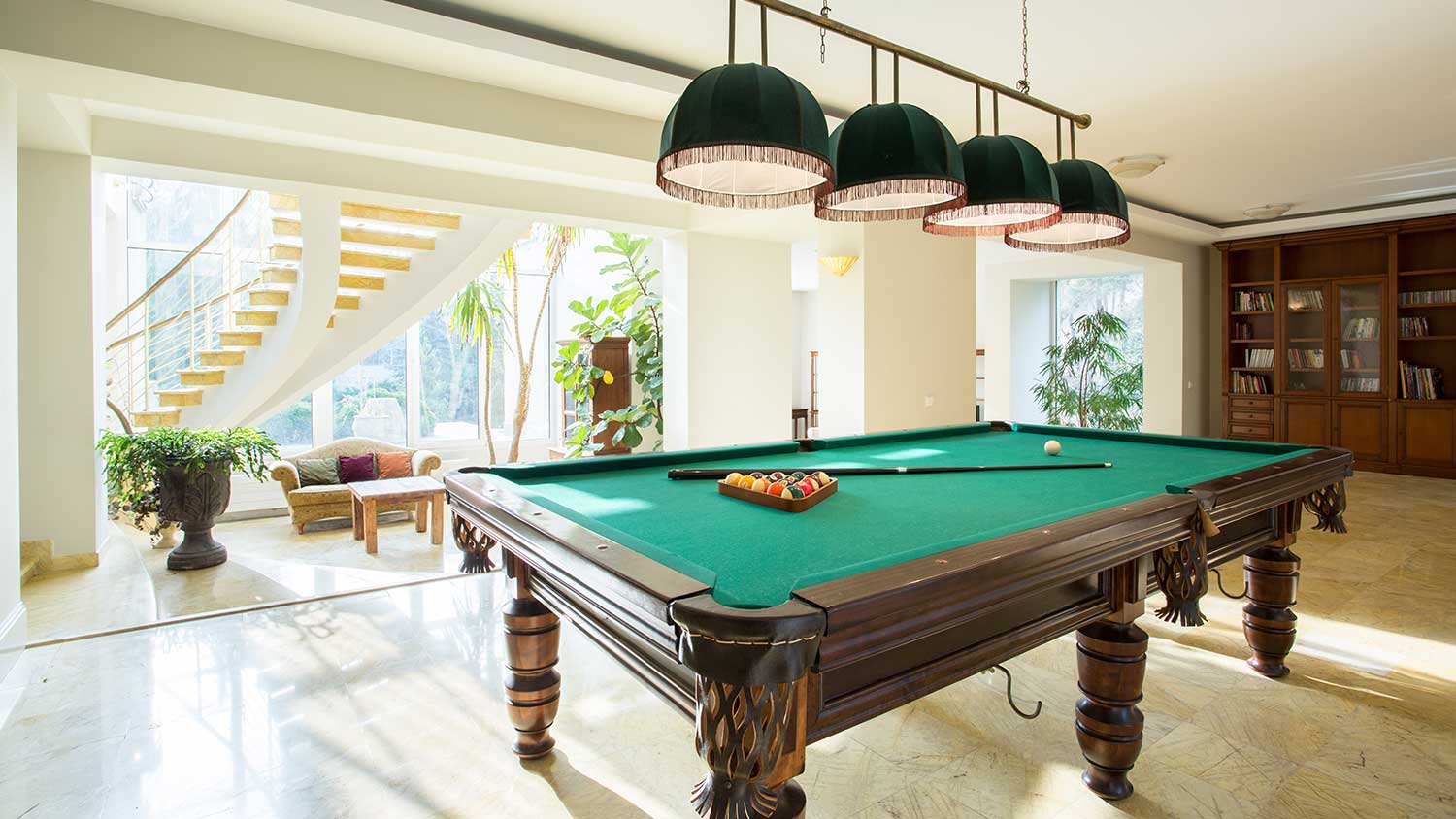
Bring the fun to your home by making a rec room for friends and family to enjoy. Check out these game room ideas to create your ultimate entertaining space.
The style of your dining table can make your space formal or fun and casual. It all comes down to the shape: dining table round vs. rectangular options.