"I only use James when I need some work done to my house. He responds fast, gets the work done quicker than just about anyone else I've ever used and seems very concerned with leaving his customers happy."
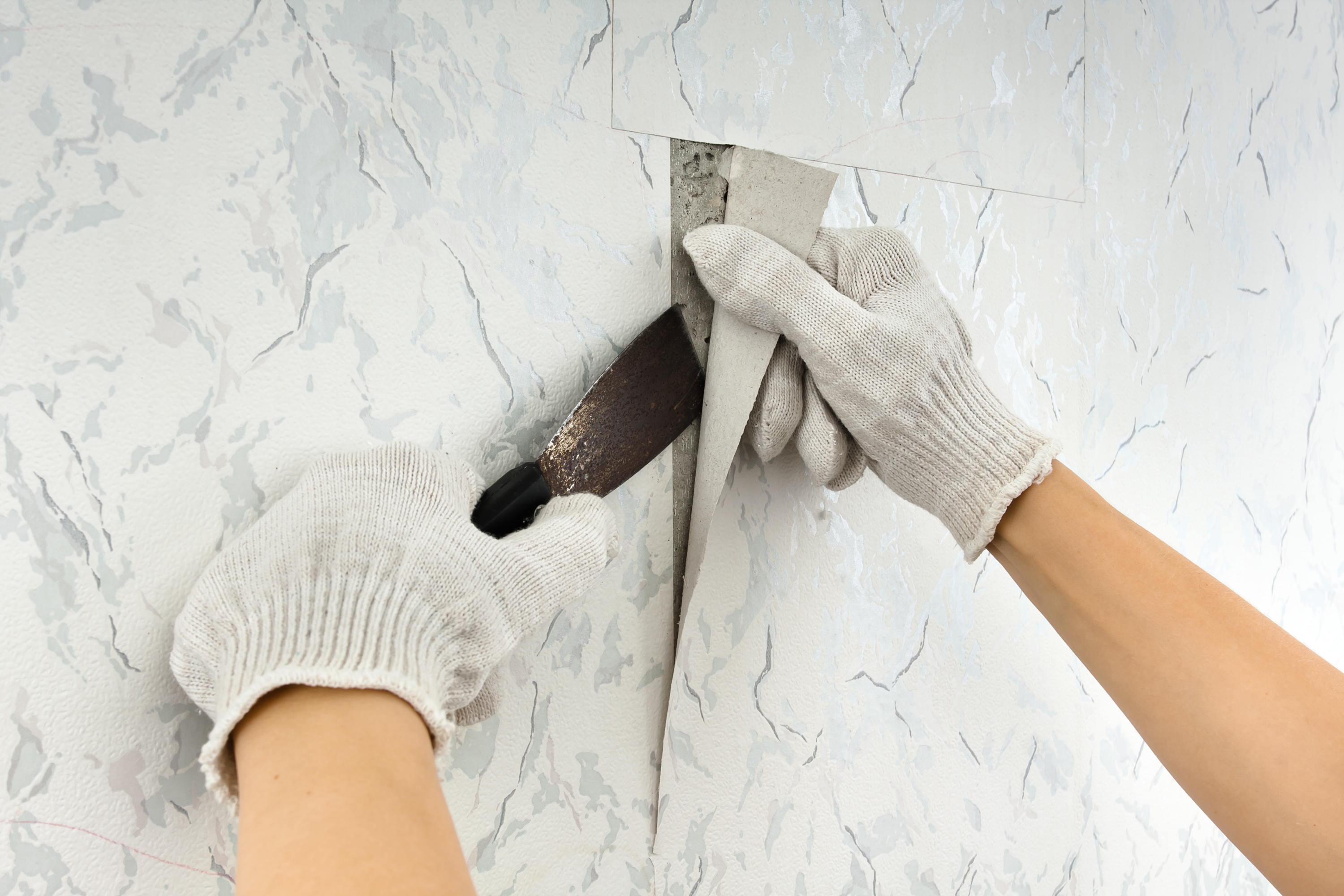
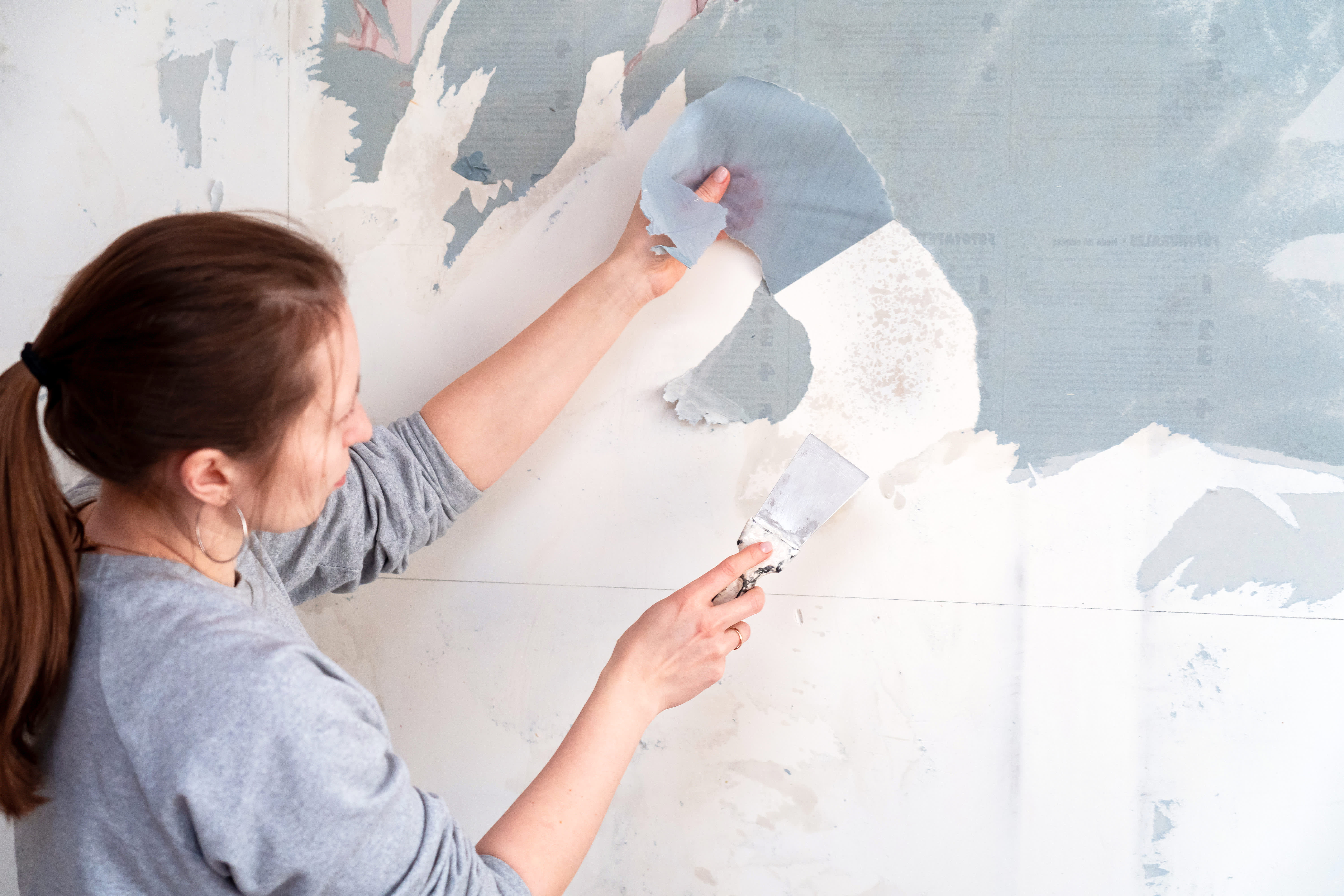
Removing wallpaper can be easy if you have a non-coated wallpaper, but most homeowners have vinyl-coated wallpaper, which is more durable but tears very easily during the removal process. This feature makes it challenging and time-consuming to remove most wallpaper. There are tools to speed up the process, like steamers, but, unfortunately, it’s easy to permanently damage your walls when using them. In most cases, it’s best to hire a professional wallpaper remover to get the job done quickly and without damaging your home.
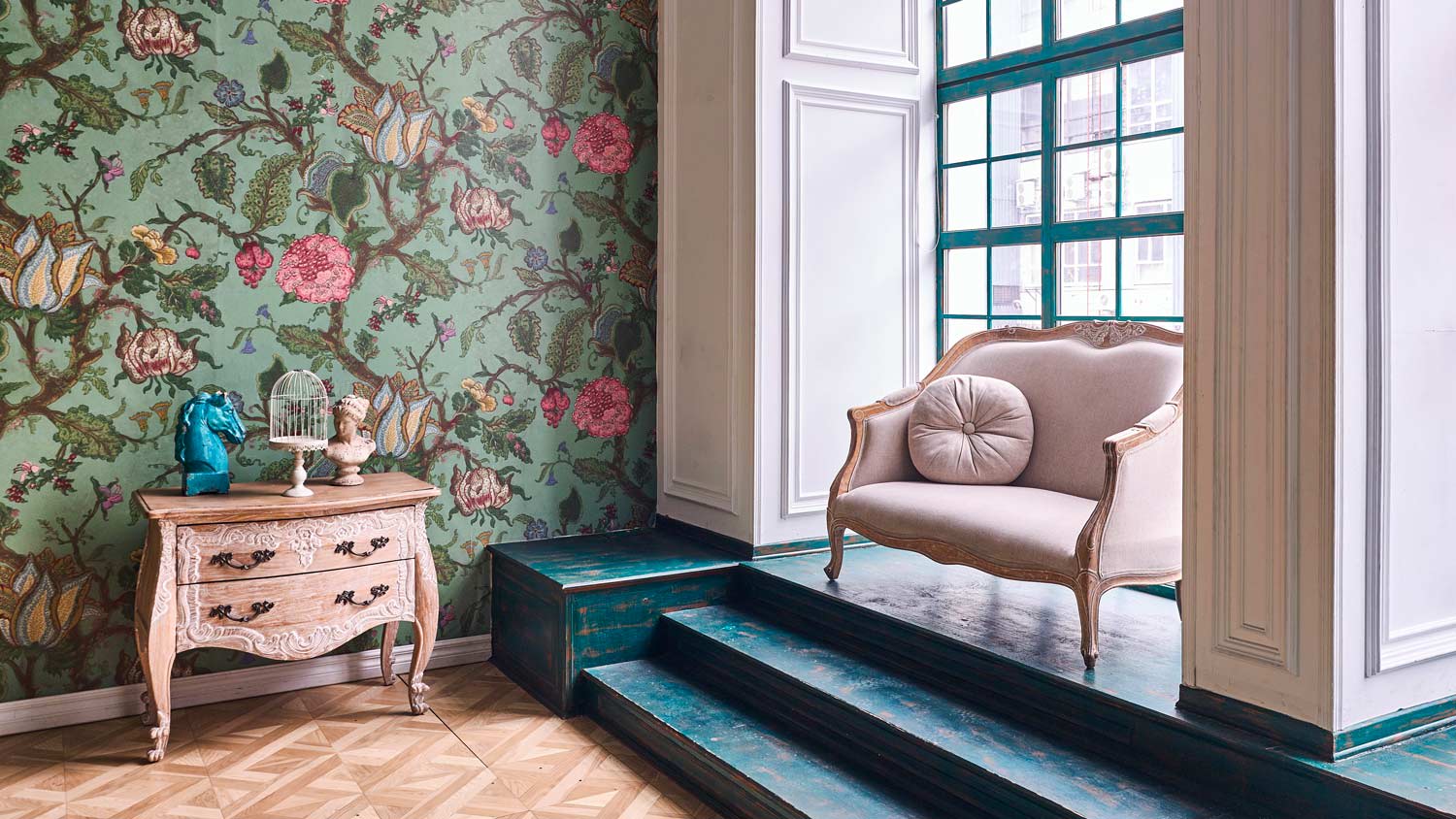
Wallpaper lasts an average of around 15 years, but there is some variance. The type of wallpaper matters, as vinyl wallpaper tends to last the longest—sometimes 20 years or more—while a peel-and-stick wallpaper, which is the easiest to install for DIYers, will usually only last for around five years. Exposure to high humidity, smoke, and UV rays from sunlight can also limit the lifespan of your wallpaper, as can heavy traffic in the installation area.
Yes, you can pay someone to strip wallpaper. Before you hang new wallpaper, you should hire a local wallpaper removal service to prep the surface properly. Wallpaper removal pros cost $0.55 to $1.50 per square foot or $500 to $700 per room. Prices vary by room size and removal technique, as some options are more labor-intensive.
While many types of peel-and-stick wallpaper can be used in bathrooms, they may not adhere as well in humid environments as traditional wallpaper. For best results, choose a vinyl or polyester-based wallpaper, as these materials are more durable and water-resistant. Good ventilation is also crucial to reduce humidity from steamy showers. In bathrooms with high moisture and inadequate ventilation, even high-quality peel-and-stick wallpaper is likely to peel over time.
One of the biggest downsides to peel-and-stick wallpaper is that it doesn't last as long as traditional wallpaper. Its lifespan depends on several factors, including the quality of the paper, proper wall preparation and application, and the room's conditions. As a general rule, peel-and-stick wallpaper can last for at least five years, but this can vary significantly. Budget products may only last about 3 years, while higher-quality products can stay up for 7 years or more in ideal conditions. Factors that can shorten its lifespan include high humidity (such as in a bathroom), dirty walls, and low-quality paper. If used on flooring, expect it to last only 1 to 3 years unless sealed. However, the shorter lifespan can be seen as a positive, making it a great choice for people who enjoy switching up their interiors more frequently.
The Cotton City, NM homeowners’ guide to wallpaper removal services
From average costs to expert advice, get all the answers you need to get your job done.
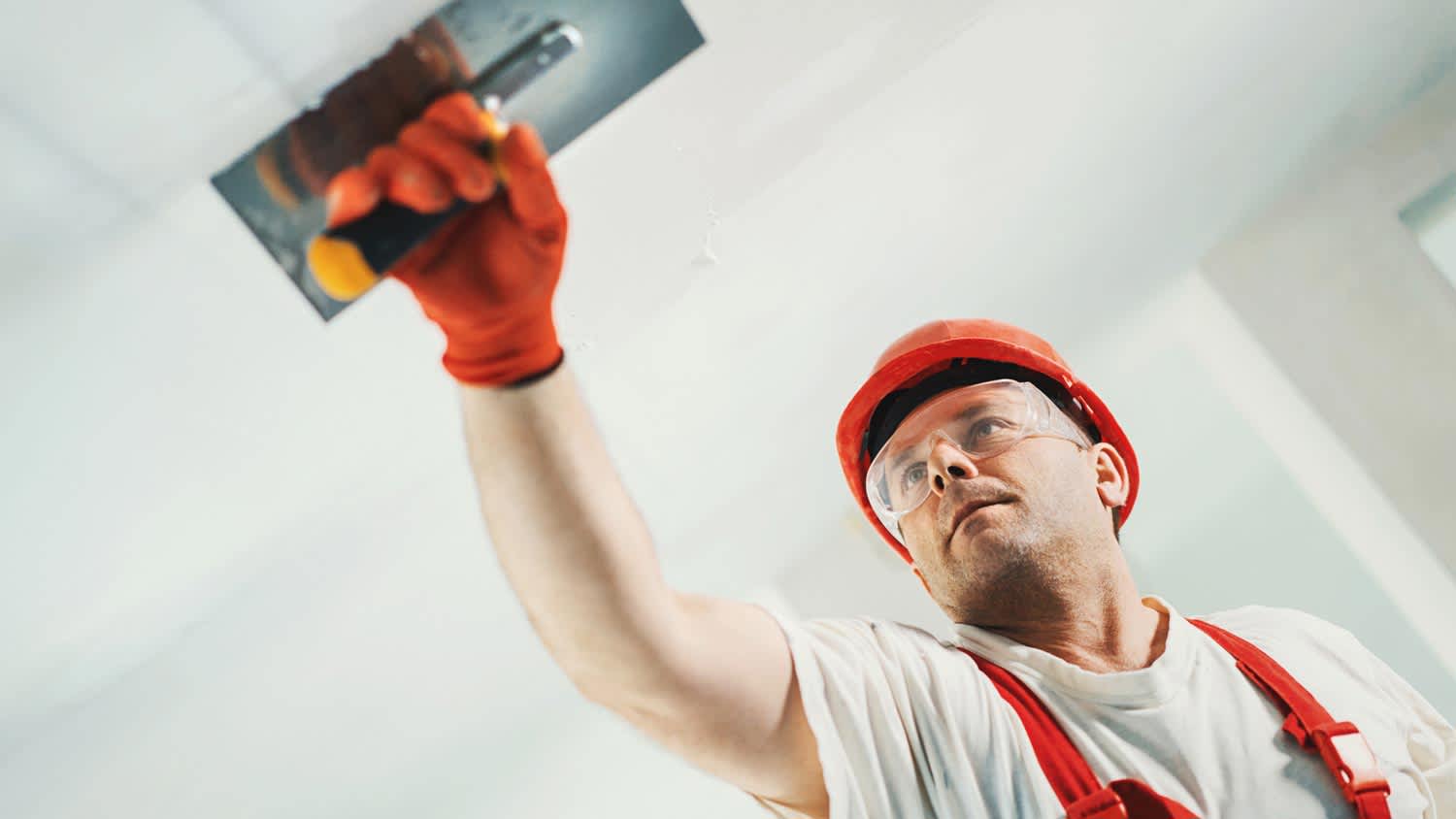
Skim coating drywall is a great alternative to replacement, and is often more affordable. Use this guide to estimate the cost to skim coat walls in your home.
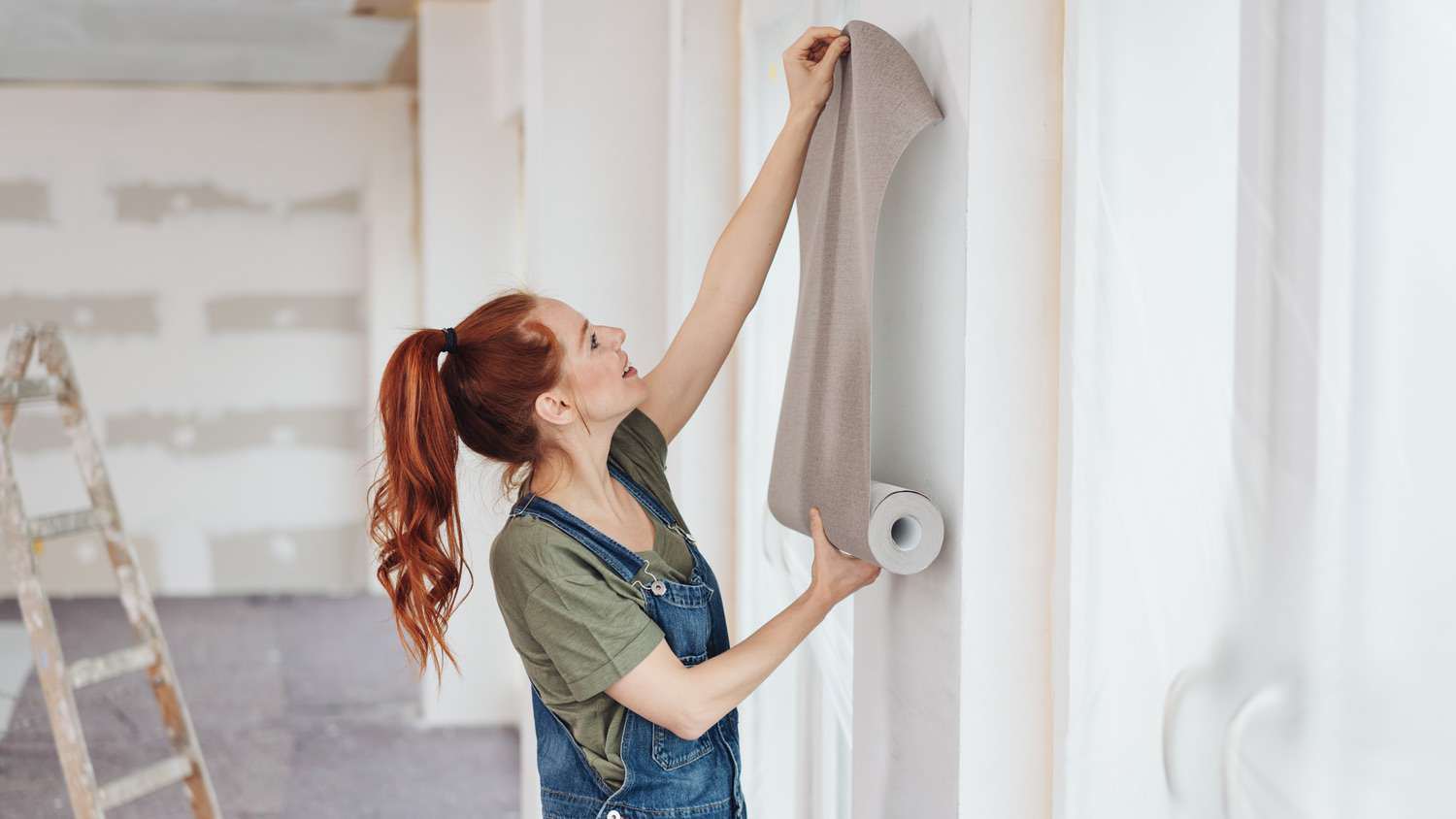
Discover wallpaper installation cost. Learn about material, labor, and project factors to estimate your budget and make informed choices for your home.
Planning a room update? Learn about the wallpaper removal process, costs to expect, and how to find and hire the right local pro for a paint-ready finish.
Wallpaper removal requires physical labor and can be a sticky mess. Consider these tips on the best ways to remove wallpaper to make the process as smooth as possible.