
Top-rated excavation pros.

Best excavation pros near Wanaque, NJ

Enter your zip and get matched with up to 5 pros

Need a pro for your excavation project in Wanaque, NJ?

Select your specific project to find the pro for you.

TRUSTED BY WANAQUE, NJ HOMEOWNERS

  • Average homeowner rating star icon4.5
    Average homeowner rating
  • Verified reviews icon46
    Verified excavation services reviews

Top-Rated Excavation pros in Wanaque - Updated Nov 2026

Avatar for M.L. Plumbing
M.L. Plumbing
5.0(
4
)
Excavation - Major Grading or Resloping

Serving Wanaque, NJ and surrounding areas

Approved

Free estimates

Credit card accepted

"Had a gas leak in my mechanical room next to my boiler and hot water heater and M.L plumbing came and tested the lines and found the leak and fixed the leaking pipe.Thanks M.L plumbing for job well done and at a very reasonable price👍."
Avatar for Mikula Contracting, Inc.
Mikula Contracting, Inc.
3.1(
39
)
Excavation - Major Grading or ReslopingBuilding Site - Preparation and ClearingBuilding Site - Preparation and Clearing - For Business+1 more

Serving Wanaque, NJ and surrounding areas

Approved

In business since 1946

Free estimates

Emergency services offered

"Very responsive, came right away to give me a quote. Started excavation right away with very experienced and friendly folks. Did everything perfectly. A real pleasure to deal with. I wish all other contractors were as good as Mikula! I highly recommend them."
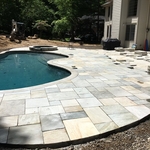
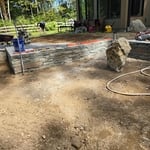
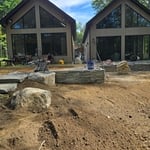
 Arrival on Job
Uncovering Tank
Opening Tank for Cleaning
Grading Property
Job Complete

+5

3 neighbors recently requested a quote
Recommended by100%of homeowners
Avatar for RALPH ANTONELLI CONSTRUCTION LLC
RALPH ANTONELLI CONSTRUCTION LLC
5.0(
2
)
Landscape - Minor Grading or ReslopingBuilding Site - Preparation and ClearingExcavation - Major Grading or Resloping

Serving Wanaque, NJ and surrounding areas

Approved

In business since 1979

Free estimates

Credit card accepted

We take great pride in our experience, expertise, quality and customer service that we provide to meet every consumer's needs. \nIt is our mission to provide excellent customer service from start to completion of a project. \nTo understand the needs and expectations of our customers, we take great care to work and communicate with every customer in a personal and professional manner. \nOur reputation is based on service, safety and quality, regardless of how large or small the job.

Wyckoff demolition
Wyckoff demolition
Wyckoff demolition
Wyckoff demolition
Wyckoff demolition

+1

7 neighbors recently requested a quote
Recommended by100%of homeowners

...
Showing 1-10 of 136
Excavating FAQs, answered by experts

There is no standard depth for burying a septic tank; they are typically buried anywhere from 4 inches to 4 feet underground. The final depth depends on several factors, including the depth of your main sewer line, the height of the bedrock, soil type, local regulations, and the property's landscape. If you plan to grow grass or plants over the tank, a depth of at least 4 to 6 inches is recommended. Deeper tanks can be more difficult to locate, but a septic professional can help find it for you.

If you don’t have a crawl space but have a partial basement you want to make deeper, you can expect to spend a little less—between $40,000 and $90,000 on average. However, if you’re not adding new finished square footage, you won’t see much in the way of ROI.

In the United States, a depth of 36 inches (three feet) for underground water lines is the accepted industry standard. This depth varies from location to location based on local conditions. In areas with colder winters, they may be buried deeper to prevent frozen well water pipes : This is usually at least six inches below the frost level. The International Plumbing Code calls for a minimum of 12 inches below grade.

Digging a bush up by the roots is the most natural DIY method for removing a bush stump. Start by identifying the shrub type and revealing its roots. Cut the shrub to its base and loosen the soil, ensuring no utility lines are nearby. Optionally, treat the base with herbicide, then dig around the roots and cut a circle around the shrub using various tools. Dig a trench, cut the base of the root ball, and finally fill the hole to prevent regrowth. This thorough process ensures complete removal without damaging surrounding areas.

No, fire blight does not survive free in the soil but instead is carried through insects, animals, rain, or wind during the spring. Keep in mind that it can also spread on tools, which is why you should always disinfect them in between cuts.

The Wanaque, NJ homeowners’ guide to excavation services

From average costs to expert advice, get all the answers you need to get your job done.