



•
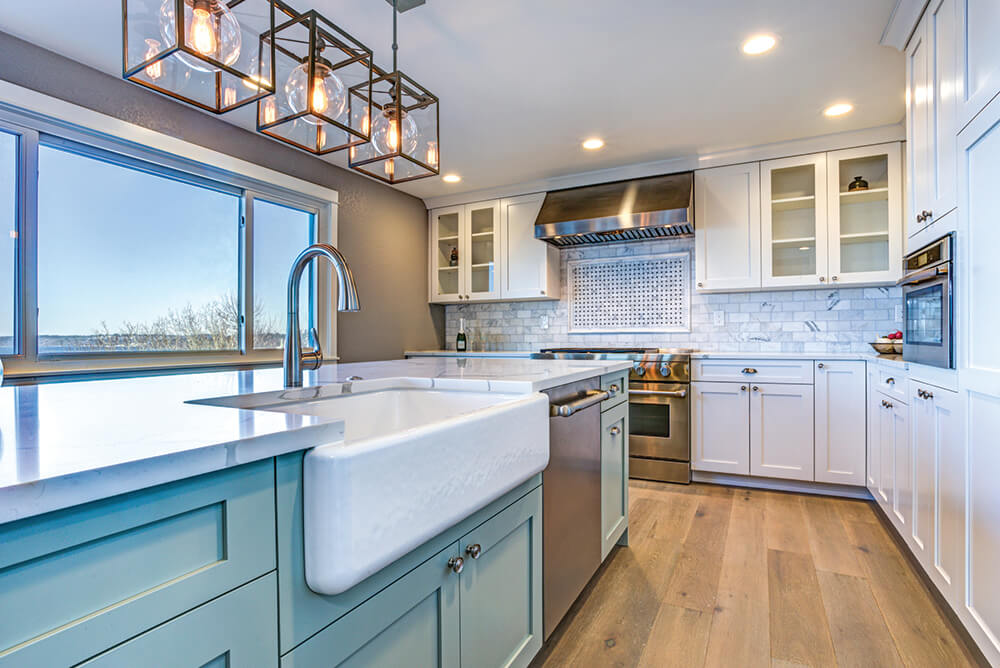
Find out the average sink install or repair cost in Philadelphia, PA. Learn what you can expect to pay for local plumbing services and plan your budget.

 4.4
 974
*The Angi rating for Sink Repair companies in Mickleton, NJ is a rating based on verified reviews from our community of homeowners who have used these pros to meet their Sink Repair needs.
*The HomeAdvisor rating for Sink Repair companies in Mickleton, NJ is a rating based on verified reviews from our community of homeowners who have used these pros to meet their Sink Repair needs.
Last update on December 16, 2025
From average costs to expert advice, get all the answers you need to get your job done.
Find out the average sink install or repair cost in Philadelphia, PA. Learn what you can expect to pay for local plumbing services and plan your budget.
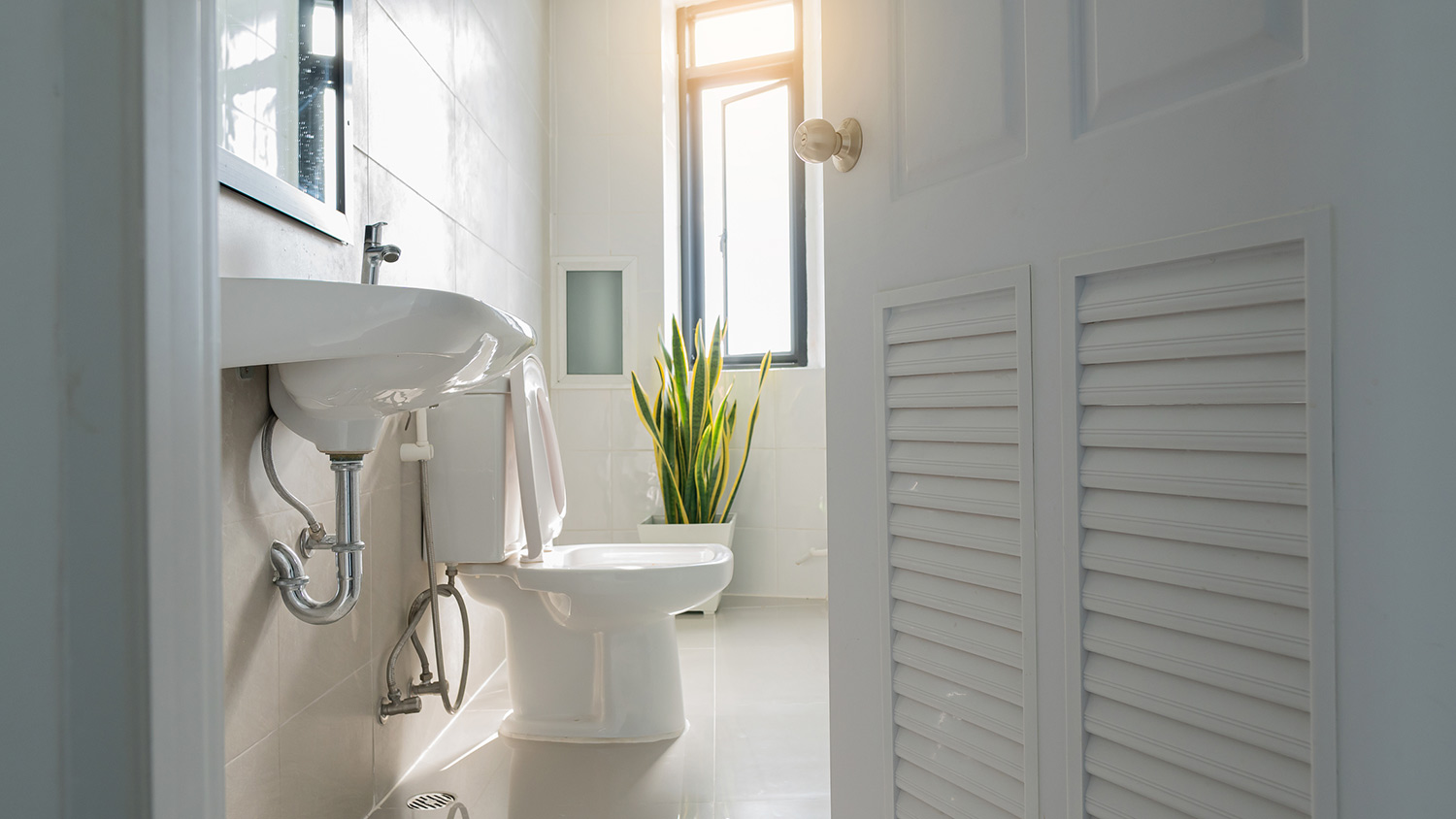
Find out the average toilet repair cost in Philadelphia, PA. Learn what you can expect to pay for local plumbing services and get your bathroom fixed.
Pipe leak repair costs depend on the location and severity of the leak, as well as the type of pipe being replaced. Use our guide to price out repair work in Philadelphia, PA.
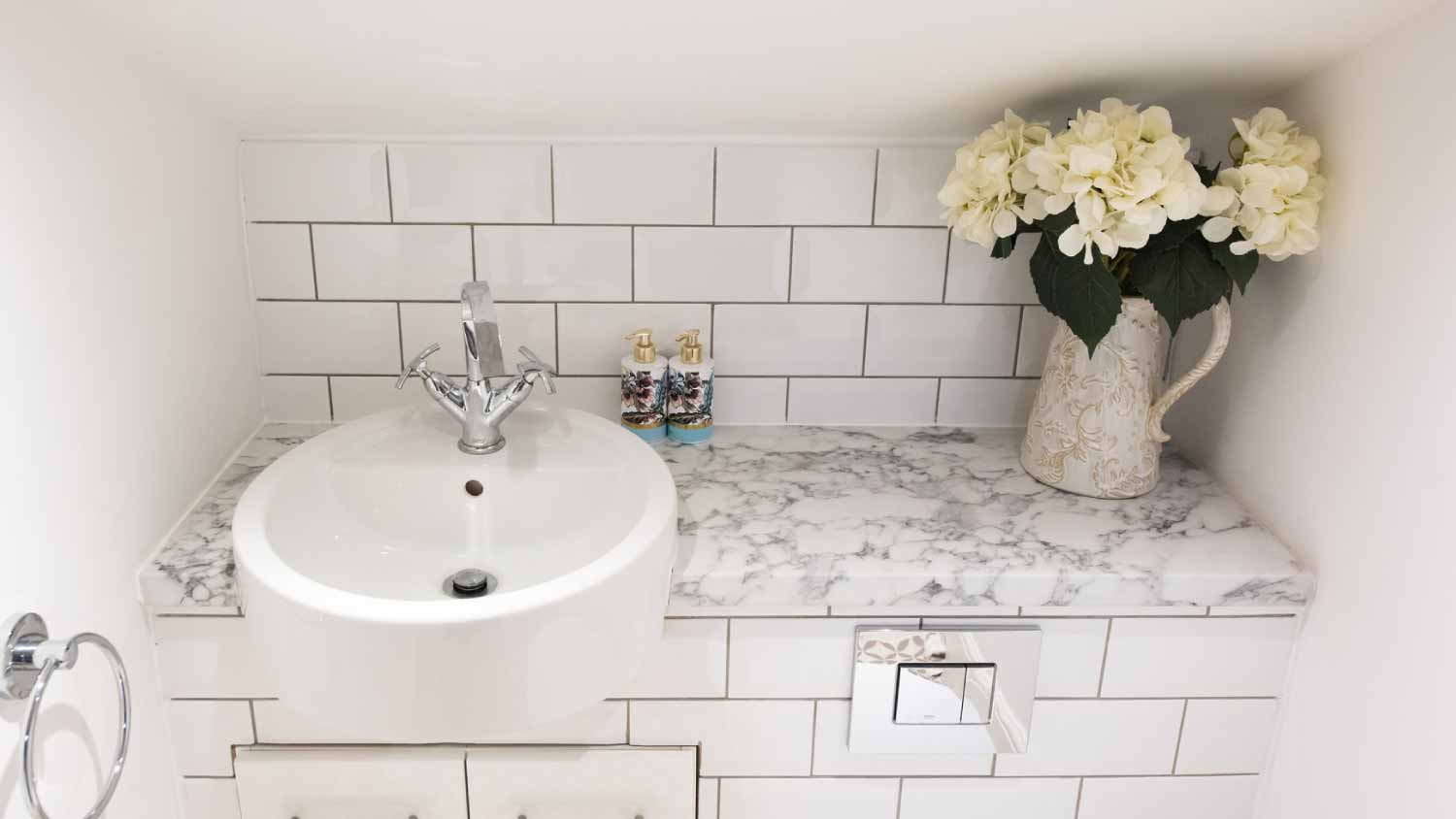
Got a leak under your sink? Here’s who to call to diagnose and fix the problem before you get flooded out.
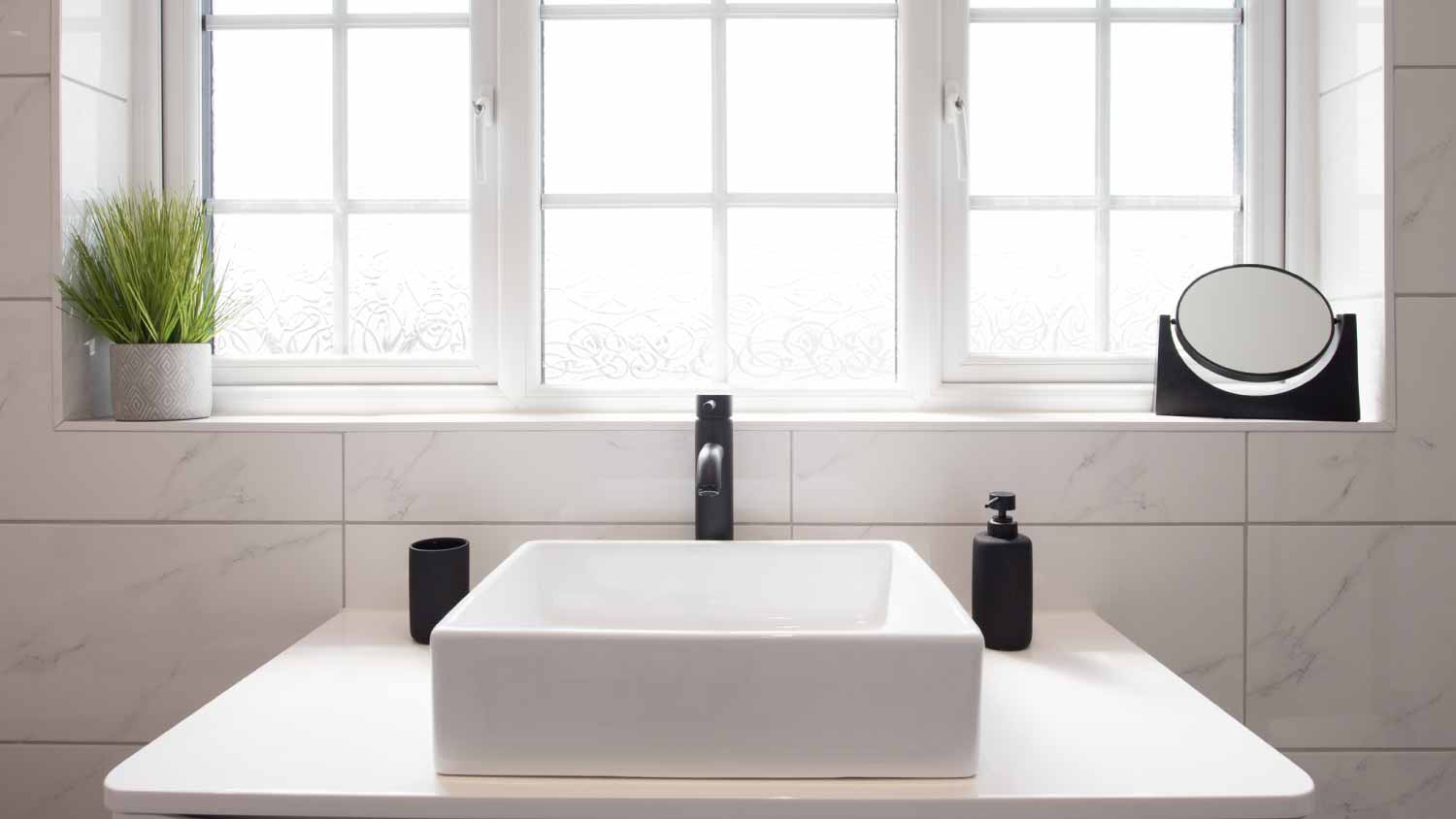
A sink has many hidden working parts. Understanding how the parts of a sink work is essential for maintaining your sink for years to come. This guide will help.
Dealing with a leaky basin or cracked fixture? Learn about sink install or repair costs, warning signs, and how to hire the right local plumber.