




Top-rated weed maintenance pros.

Best weed maintenance pros near Clayton, NJ

Enter your zip and get matched with up to 5 pros

Need a pro for your weed maintenance project in Clayton, NJ?

Select your specific project to find the pro for you.

TRUSTED BY CLAYTON, NJ HOMEOWNERS

  • Average homeowner rating star icon4.3
    Average homeowner rating
  • Verified reviews icon273
    Verified weed maintenance services reviews

Top-Rated Weed maintenance pros in Clayton - Updated Nov 2026

...
Showing 1-10 of 202
Weed Services FAQs, answered by experts

Adding vinegar to your lawn increases the acidity of the area, which can kill quack grass present above the ground. However, putting vinegar in your yard will also kill the grass. Unfortunately, the below-ground quack grass rhizomes remain very much alive in the presence of vinegar and will soon sprout again.

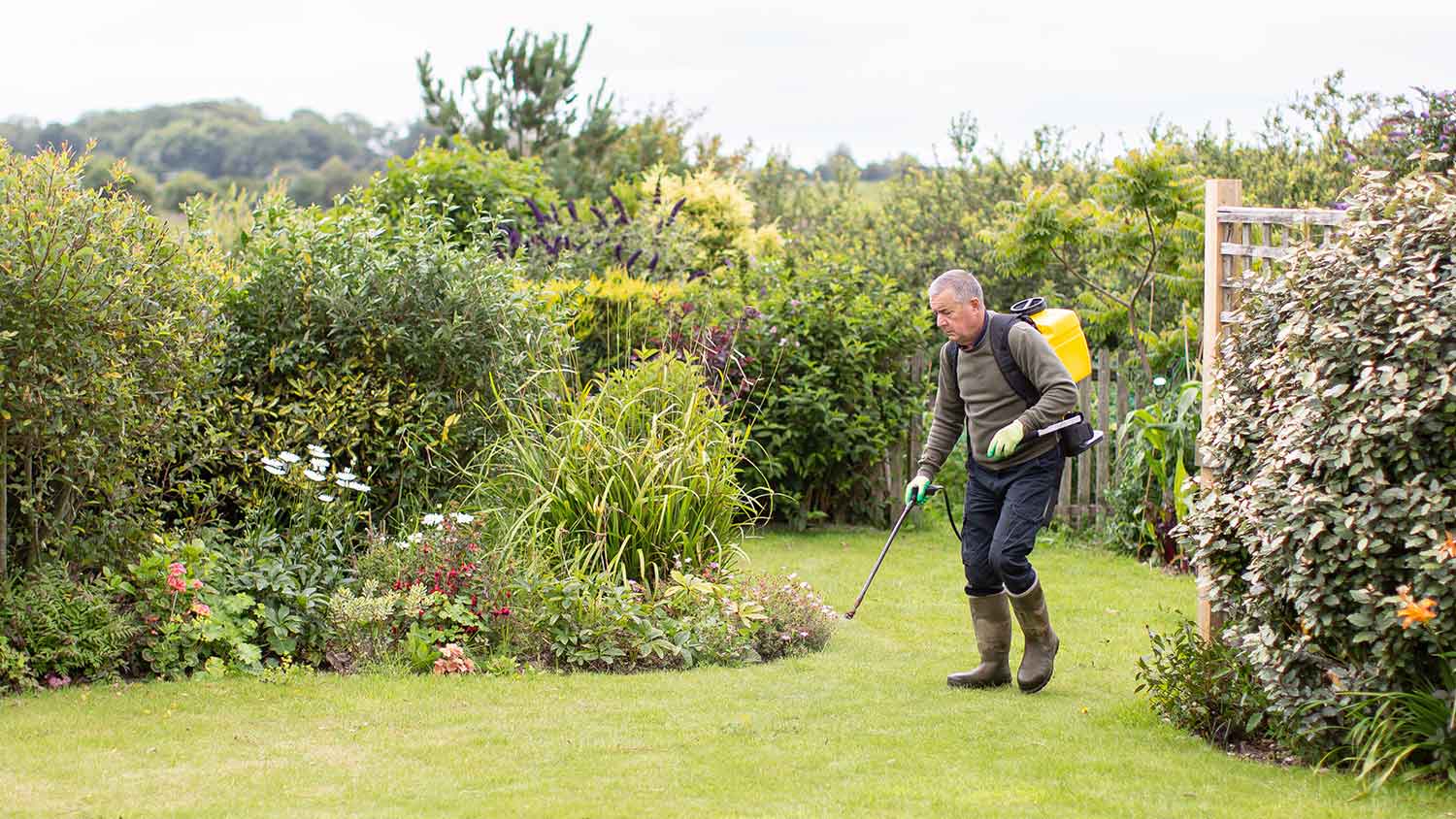
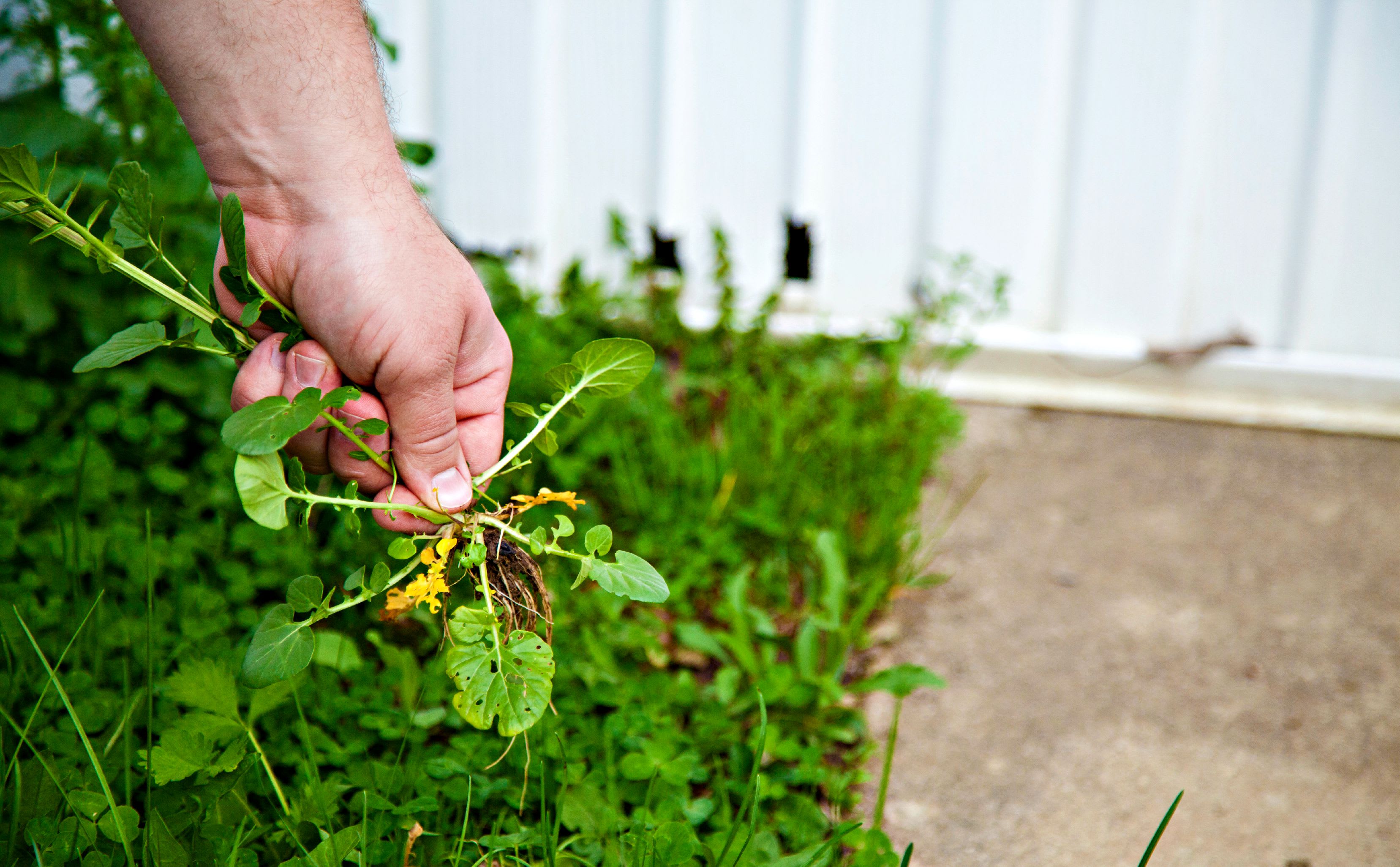
Ultimately, pulling weeds vs. spraying them depends on what’s happening in your yard and your personal preferences. Manual weed removal doesn’t introduce any chemicals into your landscape, targets specific problematic plants, produces immediate results, can be free if you go the DIY route, and is inexpensive with a weed service if you only have a handful of weeds. On the other hand, spraying is often preferable for severe weed infestations and situations involving difficult-to-pull weeds because it treats multiple weeds at once, is usually more effective long-term, is less time-consuming, and costs less when done by a pro.

The best time to fight crabgrass with pre-emergent herbicide is when forsythias tend to bloom. In the mid-Atlantic region, this is usually between April and May. Even if you're late to apply the herbicide, it’s effective as long as the crabgrass plant has fewer than five leaves.

Johnsongrass and crabgrass are invasive weeds that can overtake your lawn. Crabgrass is a low-growing grass most often seen in lawns, flower beds, and vegetable gardens. While you may find Johnsongrass growing in your lawn, it will also grow in pastures, crop fields, and the edge of the road. Johnsongrass is much coarser than crabgrass. If left alone, Johnsongrass can grow up to 8 feet tall. 

Some of the particular herbicides that work best to get rid of nut grass without killing the grass include Halosulfuron-methyl, mesotrione, sulfentrazone, and metsulfuron. A herbicide like glyphosate would kill nutgrass, but it will kill nearby plants, too.

The Clayton, NJ homeowners’ guide to weed maintenance services

From average costs to expert advice, get all the answers you need to get your job done.