





Top-rated excavation pros.

Get matched with top excavation pros in Warren, NH

Enter your zip and get matched with up to 5 pros

Need a pro for your excavation project in Warren, NH?

Select your specific project to find the pro for you.

Find Excavation pros in Warren

Avatar for Waterscapes of New England
Waterscapes of New England
3.9(
26
)
Excavation - Major Grading or ReslopingExcavation - Major Grading or Resloping - For Business

Serving Warren, NH and surrounding areas

Approved

In business since 1985

Free estimates

Warranties offered

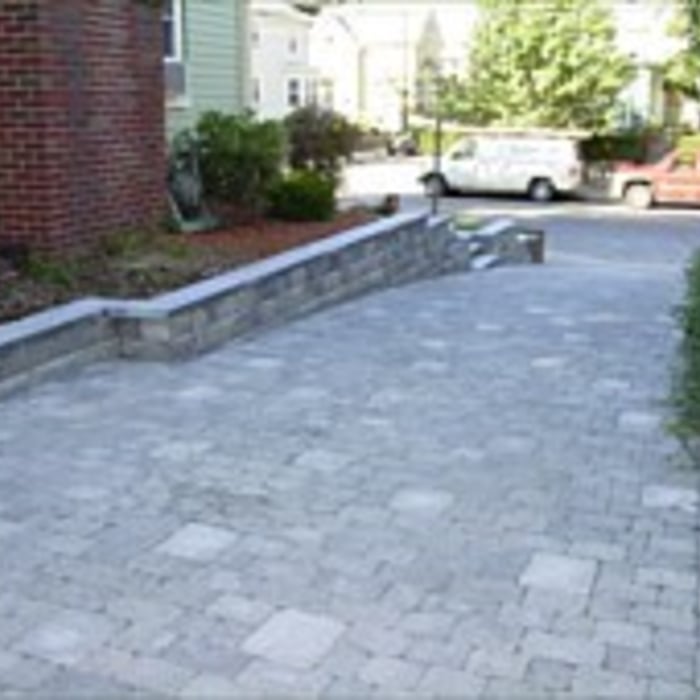
"Overall, went well although project from start to finish took a long time (not entirely due to Waterscapes).  I would have liked if they could have coordinated the railings as once the stairs were done it took another 6 weeks to get new railings installed.
Bottom line, stairs and walkway look great."
Additional Photos
Additional Photos
Additional Photos
Additional Photos
Additional Photos

+9

3 neighbors recently requested a quote
Recommended by85%of homeowners
Dolloff Lawncare
3.1(
17
)
Building Site - Preparation and ClearingBuilding Site - Preparation and Clearing - For BusinessExcavation - Major Grading or Resloping+2 more

Serving Warren, NH and surrounding areas

Approved

In business since 2002

Customers say: Quick response

"Even though Dolloff Lawncare was the ONLY business that responded to my request for services, Mr. Dolloff was very professional, kept in constant communication, came when promised and did a fantastic job of completing my project. He will also follow up occasionally to ensure that the job was finished. Not impressed with the other two companies NOT responding in any way."
4 neighbors recently requested a quote

Recommended by90%of homeowners
C&L Cass Construction
2.8(
2
)
Building Site - Preparation and ClearingExcavation - Major Grading or Resloping

Serving Warren, NH and surrounding areas

Approved

Small jobs welcome

Offers commercial services

Customers say: Quick response

"Chris worked with my schedule to get a foundation in and also fixed up my driveways, made great suggestions. He showed up and completed the work exactly as he promised and kept the site tidy all through the project. A pleasure to work with!"
11 neighbors recently requested a quote

Recommended by100%of homeowners
...
Showing 1-10 of 54
Excavating questions, answered by experts

Septic drain lines (or leach lines) are typically buried between 18 and 36 inches underground, and should be at least 6 inches below the surface. These pipes are perforated and surrounded by filtering materials like sand or gravel. Burying the lines at this depth helps minimize odors and allows bacteria and other biological processes in the soil to effectively treat the wastewater. Burying lines too close to the surface can cause issues unless the soil is very compact and stable.

Whether you grind or dig up and remove your tree stump depends on your landscaping goals. Using a stump grinder leaves the root system in place for it to decompose over time, whereas digging up the tree stump removes the roots and the stump. Overall, stump grinding is a far simpler process since you won’t need to deal with the roots. Stump removal will make your yard look like a demolition site, but you’ll have an easier time replanting in the same place as your former tree.

Sewer lines can be buried anywhere from 18 inches to 8 feet deep, with a common average depth between 18 and 30 inches. The exact depth depends on local factors like climate and soil type. In colder regions, pipes must be buried deeper (below the frost line) to prevent freezing, sometimes as deep as 8 feet. The digging depth can also impact the cost of sewer line replacement. To find the specific depth for your property, you can check the building plans for your system, which should be on file with your city or local sanitation department since permits are required for installation.

A trench that is less than 5 feet deep often doesn't require a protective system. Most residential trenches will not go this deep (the typical residential drainage trench is just 18 inches deep). In the event that an excavator needs to dig more than 5 feet beneath the surface, a protective system is required unless the excavation is in entirely stable rock.

There are several methods to hollow out a tree stump, and the best one depends on your tools, experience, and priorities. Common methods include using a chisel and hammer, a chainsaw, or burning.

  • Chisel and Hammer: This is often considered the easiest approach for those with limited tools or experience, though it is the most time-consuming.

  • Chainsaw: Using a chainsaw is the fastest method, but it comes with significant safety risks, especially for inexperienced users.

  • Burning: This can be an effective method, but it is not recommended unless you can first drill holes into the stump. Without holes, the stump will be difficult to light and may not burn completely through.

A power drill with at least a ⅜-inch diameter bit can make the job quicker and easier, regardless of the primary method. While you can use a chisel or chainsaw without a drill, it will require more time and effort. Always wear protective goggles and thick gloves, as splinters are an inevitable risk.

The Warren, NH homeowners’ guide to excavation services

From average costs to expert advice, get all the answers you need to get your job done.