

Top-rated insulation pros.

Best insulation pros near Tuftonboro, NH

Enter your zip and get matched with up to 5 pros

Need a pro for your insulation service project in Tuftonboro, NH?

Select your specific project to find the pro for you.

TRUSTED BY TUFTONBORO, NH HOMEOWNERS

  • Average homeowner rating star icon4.4
    Average homeowner rating
  • Verified reviews icon33
    Verified insulation services reviews

Top-Rated Insulation pros in Tuftonboro - Updated Nov 2026

Sonart Construction Corp.
2.3(
7
)
Batt, Rolled or Reflective Insulation - Install or UpgradeBlown-In Insulation - Install or UpgradeInjection Insulation - Install+1 more

Serving Tuftonboro, NH and surrounding areas

Approved

In business since 2013

Free estimates

Credit card accepted

Sonart Construction Corp. has over15 years of experience in providing a variety of exterior and interior renovation services. We provide services to Palm Beach, Broward and Miami-Dade Counties.. We specialize in Bathroom Remodeling, Kitchen Remodeling, Flooring and the list goes on. Customer satisfaction is what determines our success, which is why we take a hands-on approach and keep the customer informed through every phase of the project. When interacting with our company, you'll notice that we're particularly focused on the principles of quality workmanship, timely completion, competitive pricing, and integrity in all our business dealings. We combine knowledge and research with our extensive practical experience to ensure a specialized approach for your renovation needs. Give us a call today!

Avatar for Time To Paint
Time To Paint
New to Angi
Batt, Rolled or Reflective Insulation - Install or UpgradeBlown-In Insulation - Install or UpgradeInjection Insulation - Install+1 more

Serving Tuftonboro, NH and surrounding areas

Approved

Free estimates

Emergency services offered

Warranties offered

Need a project done, but not sure who to call? I’m your local expert for a wide range of home improvement and repair services. With a versatile skill set in [Skill 1], [Skill 2], and [Skill 3], I specialize in tackling those tough jobs that require multiple trades. I am committed to delivering top-tier craftsmanship, dependable service, and complete customer satisfaction. No matter the task, I have the experience to do it right the first time.

Showing 1-10 of 42
Insulation FAQs, answered by experts

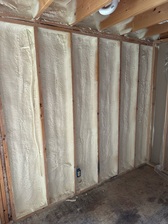
Spray foam insulation can last between 80 and 100 years, depending on the type. Closed-cell spray foam is more durable, while open-cell foam is more susceptible to moisture damage and deterioration. It's important to consult a professional installer to understand which type of foam will be used and its specific longevity. Additionally, be aware that some spray foams can damage plastic piping, so if you have PVC or CPVC pipes, discuss this with your installer.

How to dispose of insulation depends on a few factors, including the condition of the material. While you can simply bag up and throw away many kinds of insulation, some municipalities offer recycling, so it's worth checking with yours. If there are contaminants such as asbestos in your insulation, abatement and specialized disposal are often necessary.

We do not recommend fiberglass insulation for soundproofing purposes, especially if you are working on a room that’s part of your living space. Fiberglass insulation is dangerous, and the installation process is hazardous. It is also harmful to the environment. When there are so many newer, healthier non-fiberglass alternatives in the market, the lower cost of fiberglass insulation simply doesn’t justify the harm and danger it poses.

Plaster itself has a higher R-value than drywall. However, there are other considerations surrounding plaster and insulation. As a general rule, it's easier to obtain consistency in insulating value and quality when working with drywall rather than plaster. Plaster walls often don't contain any insulation behind the wall covering by design, and careful evaluation is necessary when choosing to add it.

Radiant barriers and insulation serve different purposes, so one is not inherently better than the other. Radiant barriers reflect radiant heat, helping keep spaces cool, especially in hot climates, while insulation slows heat transfer through conduction. For optimal energy efficiency, it’s best to use both together. 

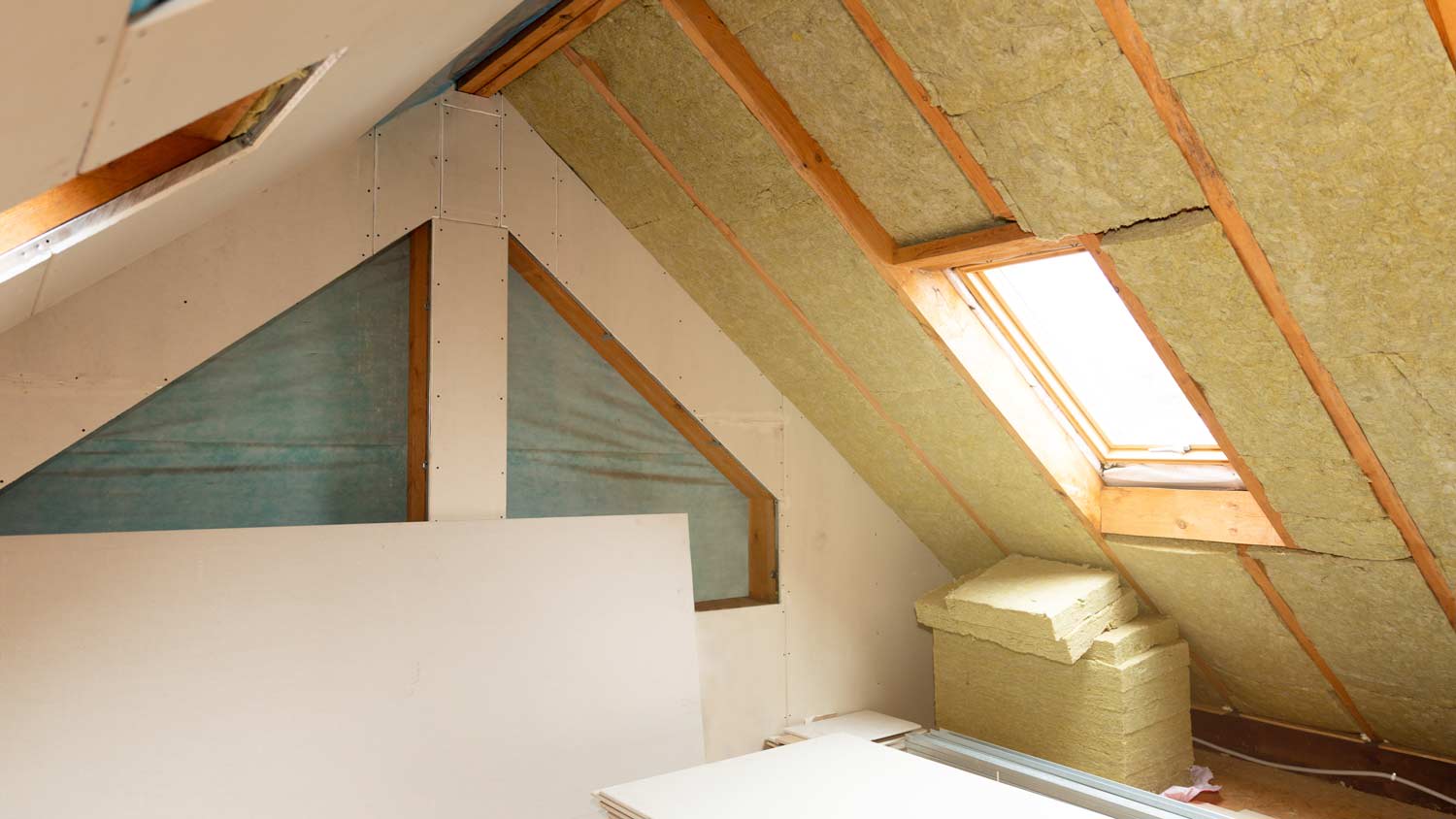
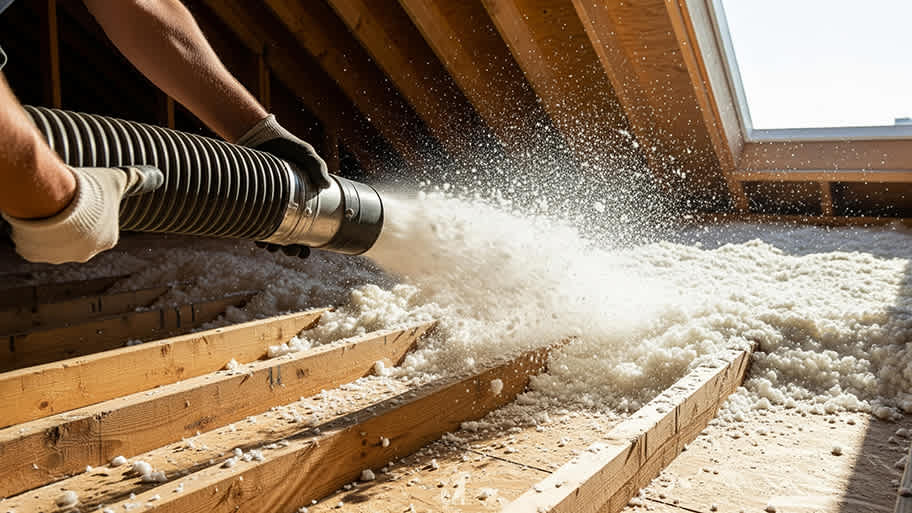
Radiant barriers can enhance the performance of insulation by preventing heat gain in the summer and heat loss in the winter. The choice between them depends on specific climate conditions and the building’s design requirements.

The Tuftonboro, NH homeowners’ guide to insulation services

From average costs to expert advice, get all the answers you need to get your job done.