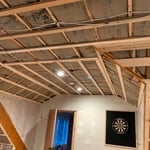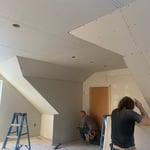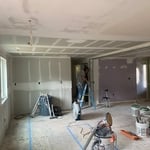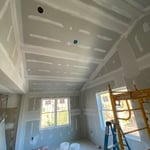





Top-rated drywall pros.

Get matched with top drywall pros in Hudson, NH

Enter your zip and get matched with up to 5 pros

Need a pro for your drywall service project in Hudson, NH?

Select your specific project to find the pro for you.

TRUSTED BY HUDSON, NH HOMEOWNERS

  • Average homeowner rating star icon4.7
    Average homeowner rating
  • Verified reviews icon297
    Verified drywall services reviews

Find Drywall pros in Hudson

Avatar for BC Drywall
BC Drywall
4.9(
7
)
Drywall - InstallDrywall - Repair

Serving Hudson, NH and surrounding areas

Approved

In business since 2022

Free estimates

Credit card accepted

We're a locally owned and operated company that values honesty and integrity, and stands behind our work. We specialize in both interior and exterior residential drywall projects. We pride ourselves on the quality of our work as well as our commitment to outstanding results. We look forward to building long-term relationships with our clients and guarantee your satisfaction!

Response time4 hrs
Response rate96%
15 neighbors recently requested a quote
Avatar for AG Drywall
AG Drywall
4.5(
18
)
Drywall - InstallDrywall - Install - For BusinessDrywall - Repair+1 more

Serving Hudson, NH and surrounding areas

Approved

In business since 2017

Free estimates

Warranties offered

"Albaro and his crew were great. I really appreciated his attention to detail. This house is very challenging, as nothing is square(It's an older home). Yet, Albaro went above and beyond to correct situations to make it better. He is honest, hard working, and great guy. I will be calling him back for 2 other drywall projects needed."
Response time2 days
Recommended by100%of homeowners
Avatar for D M Plastering DBA Derek Richard
D M Plastering DBA Derek Richard
4.9(
15
)
Drywall - InstallDrywall - Install - For BusinessDrywall - Repair+1 more

Serving Hudson, NH and surrounding areas

Approved

Super Service Award Winner

In business since 1999

Free estimates

Emergency services offered

"I've been working on a home project and it was time to install blue board and plaster in two bedrooms. Derek came in and assessed the work and made sound recommendations for the best results. I have to give a special shout-out to his crew... they were friendly, knowledgeable, and very skilled workers. My wife and I are extremely pleased with the results. Derek will definitely be working with us on phase II of our home project."
Response time3 days
Recommended by92%of homeowners
...
Showing 1-10 of 433
Drywall questions, answered by experts

Although they have similar applications, spackle and joint compound are not the same. Their primary differences lie in their composition, consistency, and ideal use cases.

Spackle is composed of gypsum and binding agents, making it thicker than joint compound. It dries quickly and is easy to sand, which makes it ideal for small wall repair projects like filling nail holes or patching minor damage.

Joint compound, also known as drywall mud, consists of limestone and gypsum. It is primarily used for large-scale projects, such as taping and finishing the seams on newly installed drywall. It tends to shrink more than spackle and can be more difficult to spread.

While both products can be used to fill small depressions and cracks, spackle cannot replace joint compound for taping and mudding new drywall. Conversely, you can often use joint compound for small patching jobs typically done with spackle.

When doing a DIY paint job, it can be tricky to achieve the perfect, straight line between your wall and ceiling. There are several methods, including lining it with painter’s tape and using the “cut in” brush tactic. Some homeowners choose to apply a thin line of caulk to the wall-ceiling seam to create the appearance of a perfect line.

To properly clean and maintain your skip trowel drywall texture, dust the surface weekly with an electrostatic duster or vacuum with a soft brush attachment. Never scrub the surface. You can remove stains by gently applying a mild detergent solution with a paint roller, removing it with a damp roller, and drying with a dry roller. To cut down on cleaning frequency, avoid indoor smoking and limit the use of fireplaces.

You should always hang drywall from the top down. Starting at the top makes it easier to create a straight, tight line between the ceiling and the wall. Any gaps that occur will be at the bottom, where they are easier to manage. You can either cut the bottom piece of drywall to fit the remaining space or cover the gap with baseboard trim. Additionally, starting at the top is physically easier, as you won't have to fit the top sheet into a tight space between the lower sheet and the ceiling, or try to balance the upper sheets on the lower ones while securing them.

You should leave a gap between drywall sheets because they naturally expand and contract along with the building framing as temperature and humidity change. Most pro drywall installers leave a gap of about ⅛ inch between drywall sheets, allowing the sheets to expand, contract, and shift without cracking or becoming damaged. If you don’t leave enough gaps between slabs, the edges will press against each other when they expand, and the pressure can cause visible cracks.

The Hudson, NH homeowners’ guide to drywall services

From average costs to expert advice, get all the answers you need to get your job done.