





Mr Home Audit, LLC
Home Energy Audit
Serving Wakefield, NE and surrounding areas
Approved
In business since 2015
Free estimates
Credit card accepted
"Excellent professional with supreme home inspection expertise."
Recommended by100%of homeowners
*The Angi rating for Energy Efficiency Auditing companies in Wakefield, NE is a rating based on verified reviews from our community of homeowners who have used these pros to meet their Energy Efficiency Auditing needs.
*The HomeAdvisor rating for Energy Efficiency Auditing companies in Wakefield, NE is a rating based on verified reviews from our community of homeowners who have used these pros to meet their Energy Efficiency Auditing needs.
Last update on May 31, 2026
Serving Wakefield, NE and surrounding areas
Approved
In business since 2015
Free estimates
Credit card accepted
"Excellent professional with supreme home inspection expertise."

Serving Wakefield, NE and surrounding areas
In business since 2022
Free estimates
Credit card accepted
"They are in the process of sending out an engineer"





+3
From average costs to expert advice, get all the answers you need to get your job done.

Discover the average home energy audit cost, what impacts pricing, and how to save money on your audit. Get transparent, expert-backed cost info for homeowners.

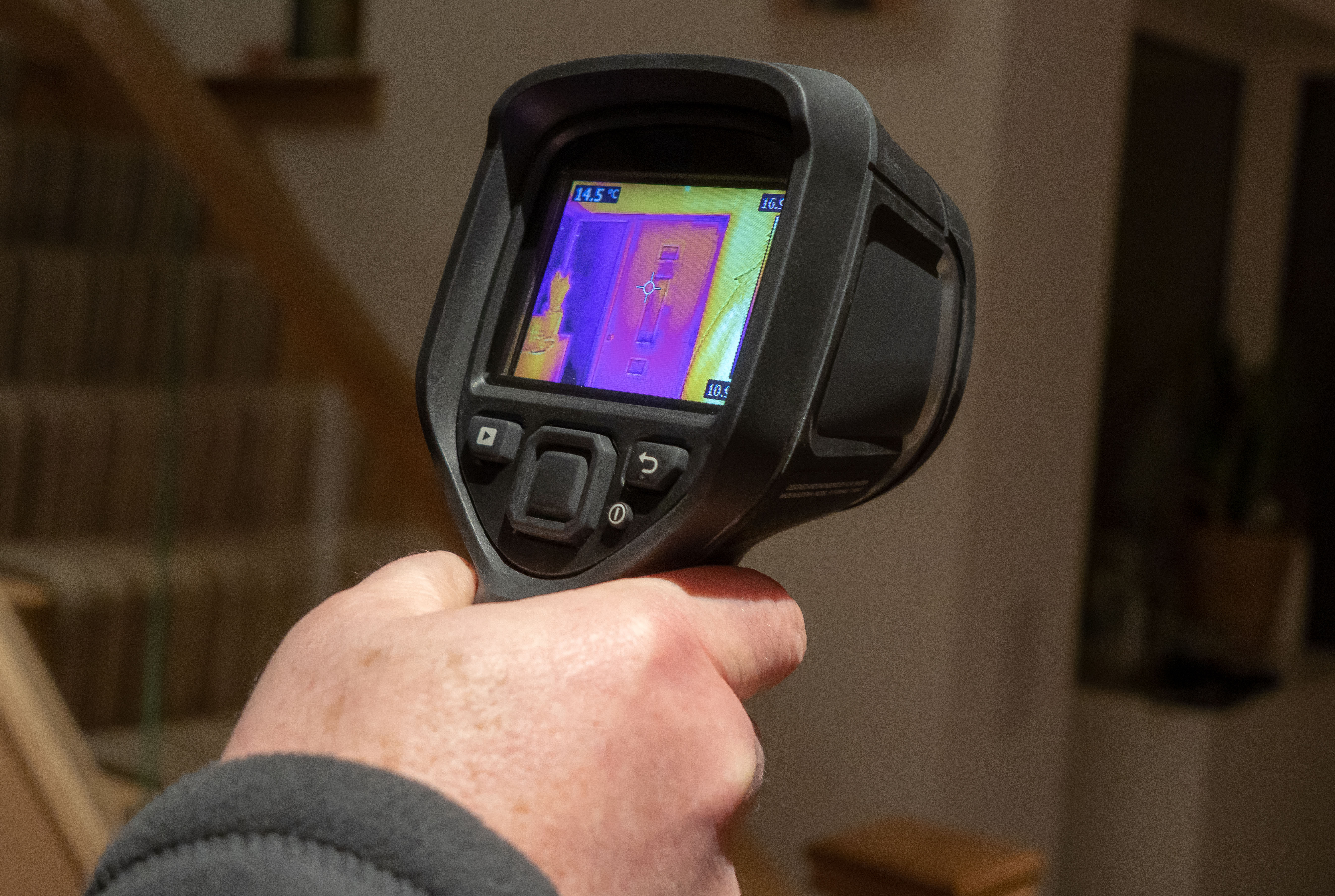
Get a detailed breakdown of thermal imaging home inspection costs, including average prices, cost factors, and tips to help homeowners budget.

Discover the energy-efficient window costs. Learn about installation prices, cost factors, and tips to save money on your window upgrade.

Wondering what an energy audit is and how it can help keep you safe? Keep reading to learn about home energy audits and how they can save you money.

A home energy audit is a detailed write-up of how to lower your utility bills and increase your comfort level. Find out if they’re worth the cost.
Thinking about scheduling a home energy audit? Learn how to improve energy efficiency, lower your utility bills, and hire the right local pro for the job.