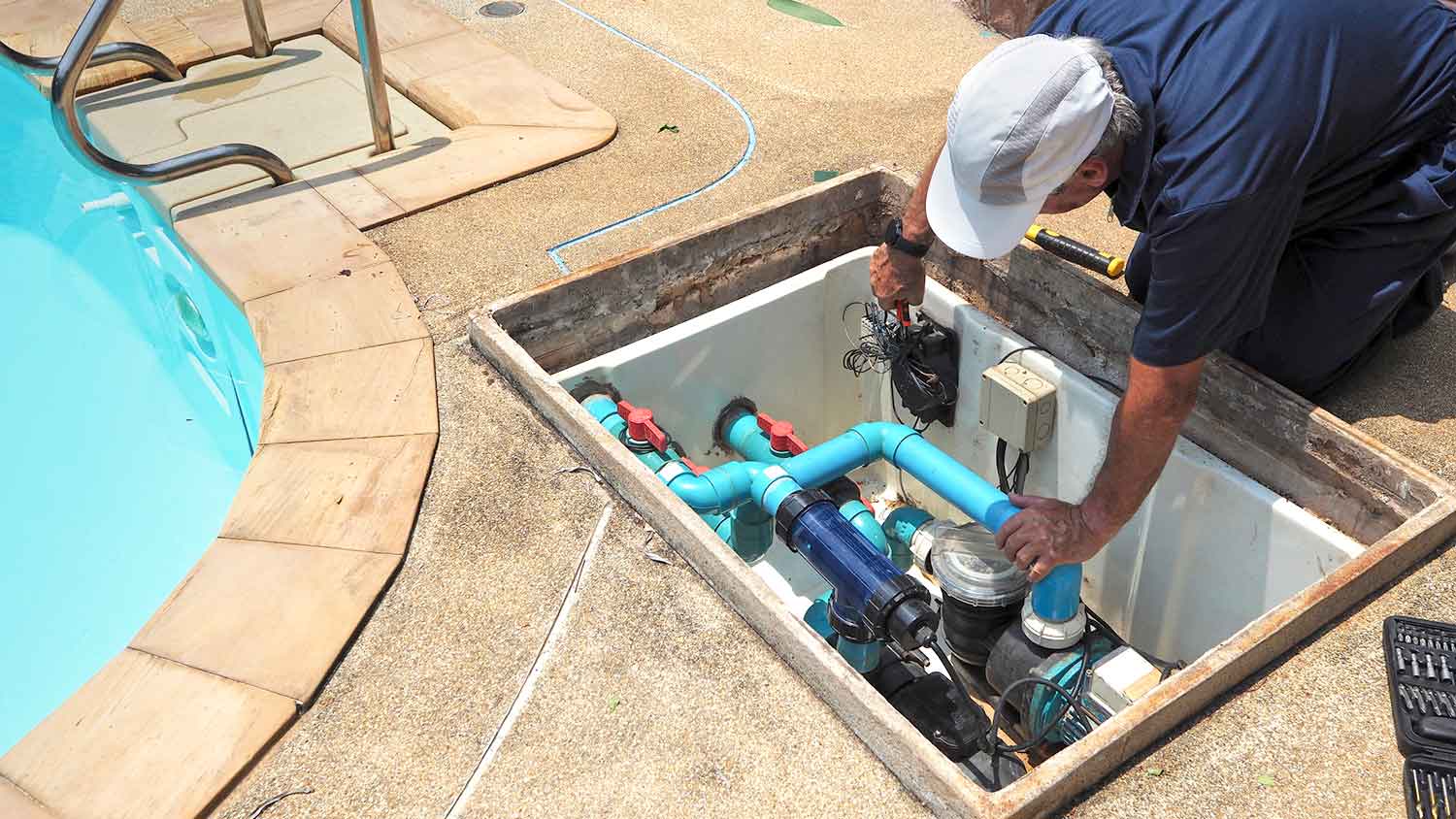
"It was great, the pool technician was very helpful and kept us updated on what repairs were needed. He followed up after his visit to ensure we knew the next steps. 10/10 would have this technician again."
"Rather than fix the issue the first 2 calls, more refrigerant was pumped into the system. This cost me $75 for each call plus the cost of the refrigerant. The 3rd time, they fixed a valve and refilled the refrigerant and I am monitoring to see if this really fixed the problem. So I am out $225 for service calls fro the same problem and the cost of the refrigerant. I think they take this approach intentionally."
Pool and Spa Servicing questions, answered by experts
You should put chlorine in your hot tub on a regular basis. To keep bacteria away, keep the chlorine level in your hot tub at between 3-5 mg/l, which may mean you need to add chlorine daily or at least every two to three days. Don’t add chlorine to your hot tub water more than once per day.
Most hot tubs will experience leaks due to wear and tear in the plumbing or the shell itself. The second most common issue is a heater malfunction due to the ongoing heat stress on moving parts. Finally, clogs happen in hot tub jets, especially when it’s time to change the filter.
A hot tub cover's lifespan is typically between three and seven years, with an average of five to seven years for a well-maintained one. The quality of the cover is a major factor; lower-quality polyester or vinyl soft covers can tear easily with regular use.
To extend the life of your cover, proper maintenance is key. This includes:
Keeping the cover clean, dry, and out of the sun. Use a soft cloth and mild dish soap for cleaning.
Applying a vinyl protectant spray.
Cleaning the underside with a chlorine spray.
Using a cover lift to prevent damage from rough handling.
Protecting it from harsh weather.
Keeping children and pets off the cover.
Investing in a high-quality cover and checking for a warranty at the time of purchase can also contribute to its longevity.
Most hot tub motors can last between five and 10 years; however, hot tub motors can burn out sooner if the hot tub water is not maintained or if the motors themselves are not maintained or protected from the elements. Since hot tub motors (also referred to as spa pumps) power the jets and circulate the water, they are important for the functioning of your spa. Buying a quality motor, keeping the hot tub filter clean, and keeping the wet end of the motor wet and the dry end dry can help them last longer.
You can and should use a hose to fill a hot tub. There shouldn’t be anything special about the hose other than it shouldn’t be damaged. Kinks or leaks could slow down the filling process. Attach the hose to the nearest spigot and get the water flowing.
The Stuart, NE homeowners’ guide to pool and spa services
From average costs to expert advice, get all the answers you need to get your job done.
Discover how much pool maintenance costs, including average prices, cost factors, and expert tips to help you budget and keep your pool sparkling all season.
What’s the difference between a swim spa vs pool? Both can be great additions to your property; here’s how to decide which one makes the most sense for you.
If you live in an area without very cold winters but tempted to close your pool during the cooler months, read on. We dive into the many benefits of winter service.