







Top-rated lawn care providers.

Get matched with top lawn care providers in Springfield, NE

Enter your zip and get matched with up to 5 pros

Need a pro for your lawn service project in Springfield, NE?

Select your specific project to find the pro for you.

TRUSTED BY SPRINGFIELD, NE HOMEOWNERS

  • Average homeowner rating star icon4.4
    Average homeowner rating
  • Verified reviews icon321
    Verified lawn services reviews

Find Lawn care providers in Springfield

Avatar for Doctor Fix It Omaha
Doctor Fix It Omaha
4.9(
24
)
Handyman for Multiple Small Projects

Serving Springfield, NE and surrounding areas

Approved

In business since 2015

Free estimates

Warranties offered

"Excellent. I was able to schedule a convenient time. The staff was excellent to communicate with. The job was done on time and on budget. I've used him alot of times for the same house. He built a deck. Fixed sewer pipe. Always done a really good work."
2 neighbors recently requested a quote
Recommended by95%of homeowners
Avatar for TruGreen
TruGreen
3.1(
2,962
)
Lawn Care - Aerate a LawnLawn Care - Fertilize or Treat a Lawn

Serving Springfield, NE and surrounding areas

Approved

In business since 1974

Free estimates

Warranties offered

"I think they treated the wrong lawn. The note they sent me via text message referenced trees and shrubs in my yard, I have none. They also did not leave a yard marker showing they had been there. Otherwise, this would have been a 5 star review."
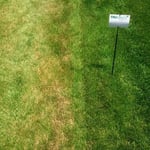
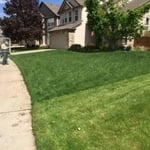
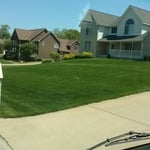
TruGreen Treated vs Non-Treated
Enjoy Your Lawn at it's Fullest Potential
TruGreen Treated vs Non-Treated
TruGreen Lawn
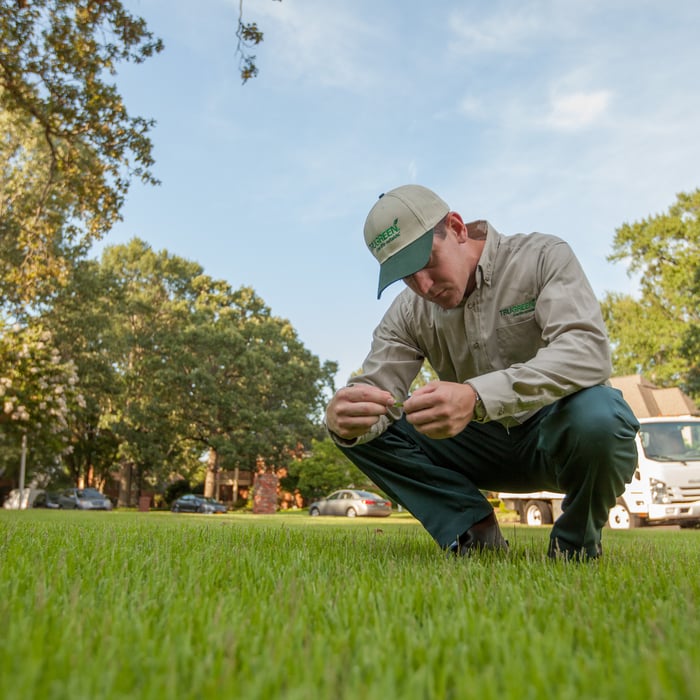
TruGreen Healthy Lawn Analysis

+4

Recommended by76%of homeowners
Avatar for Longview Tradesman
Longview Tradesman
4.7(
18
)
Handyman for Multiple Small Projects

Serving Springfield, NE and surrounding areas

Approved

In business since 2019

Free estimates

Warranties offered

"Jed is knowledgeable and able to evaluate the kinds of repairs we needed. He did quality structural work and is knowledgeable of building codes. He completed the work promptly."
Response time2 days
12 neighbors recently requested a quote
Recommended by85%of homeowners
...
Showing 1-10 of 231
Lawns questions, answered by experts

In general, expect to mulch your leaves about once or twice every fall. You want there to be a decent amount of leaves on the ground, but not too much where it’s difficult for the mower to cut through.

Ultimately, pulling weeds vs. spraying them depends on what’s happening in your yard and your personal preferences. Manual weed removal doesn’t introduce any chemicals into your landscape, targets specific problematic plants, produces immediate results, can be free if you go the DIY route, and is inexpensive with a weed service if you only have a handful of weeds. On the other hand, spraying is often preferable for severe weed infestations and situations involving difficult-to-pull weeds because it treats multiple weeds at once, is usually more effective long-term, is less time-consuming, and costs less when done by a pro.

You have a few options to get rid of raked leaves, including bagging them and leaving them out for yard waste pickup. Even if you hire a professional for leaf removal, they can often bag the leaves and leave them for you to dispose of this way. You can also recycle and even donate yard waste. If you have a compost bin, your leaves will be ready to help your plants grow, reducing spring cleanup landscaping costs. Some companies will even accept donations of raked leaves to make compost, but you’ll need to transport them yourself.

Trees that provide a habitat to bats and an abundance of bugs—their main food source—will attract bats to your yard. Because the North American landscape has changed so much in recent years, bats have a harder time finding trees with cavities to shelter in. If your yard has a dead or dying tree with a lot of sun exposure, bats will likely be drawn to it because trees with those features are less common.

It’s unlikely your leaves are a hazard, especially if you get to them while they’re dry. However, a couple of rare risks exist. University studies suggest that decaying leaves can produce organochlorines, toxic pollutants similar to man-made PCBs (polychlorinated biphenyls), so avoid keeping them in an enclosed area.

Also, leaves and compost may cause the growth of fungi that can cause diseases like histoplasmosis and aspergillosis, as well as mold spores that are unhealthy for human lungs. Again, severe issues are rare, but those with compromised immune systems or allergies to mold should wear face masks when directly handling leaves.

The Springfield, NE homeowners’ guide to lawn services

From average costs to expert advice, get all the answers you need to get your job done.