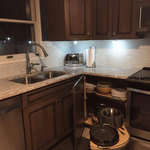
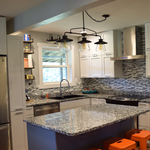
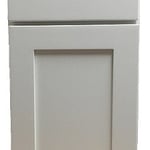
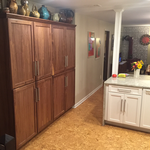
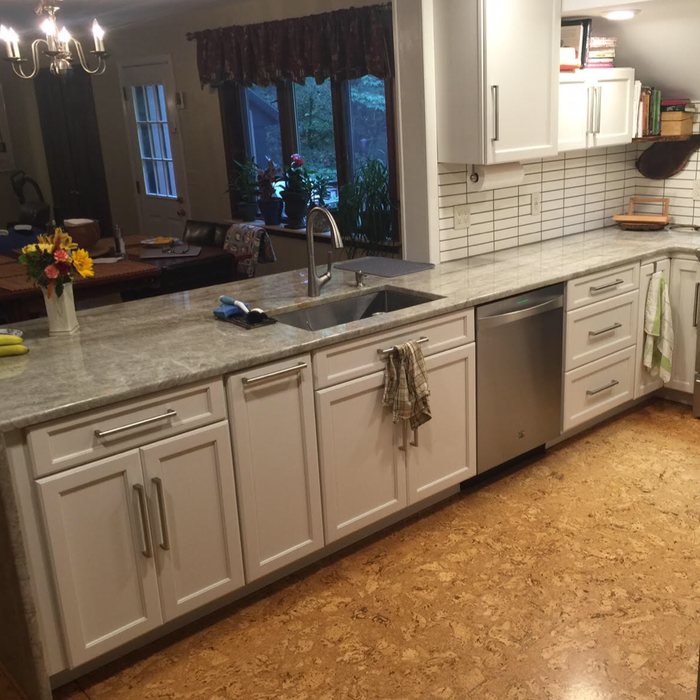
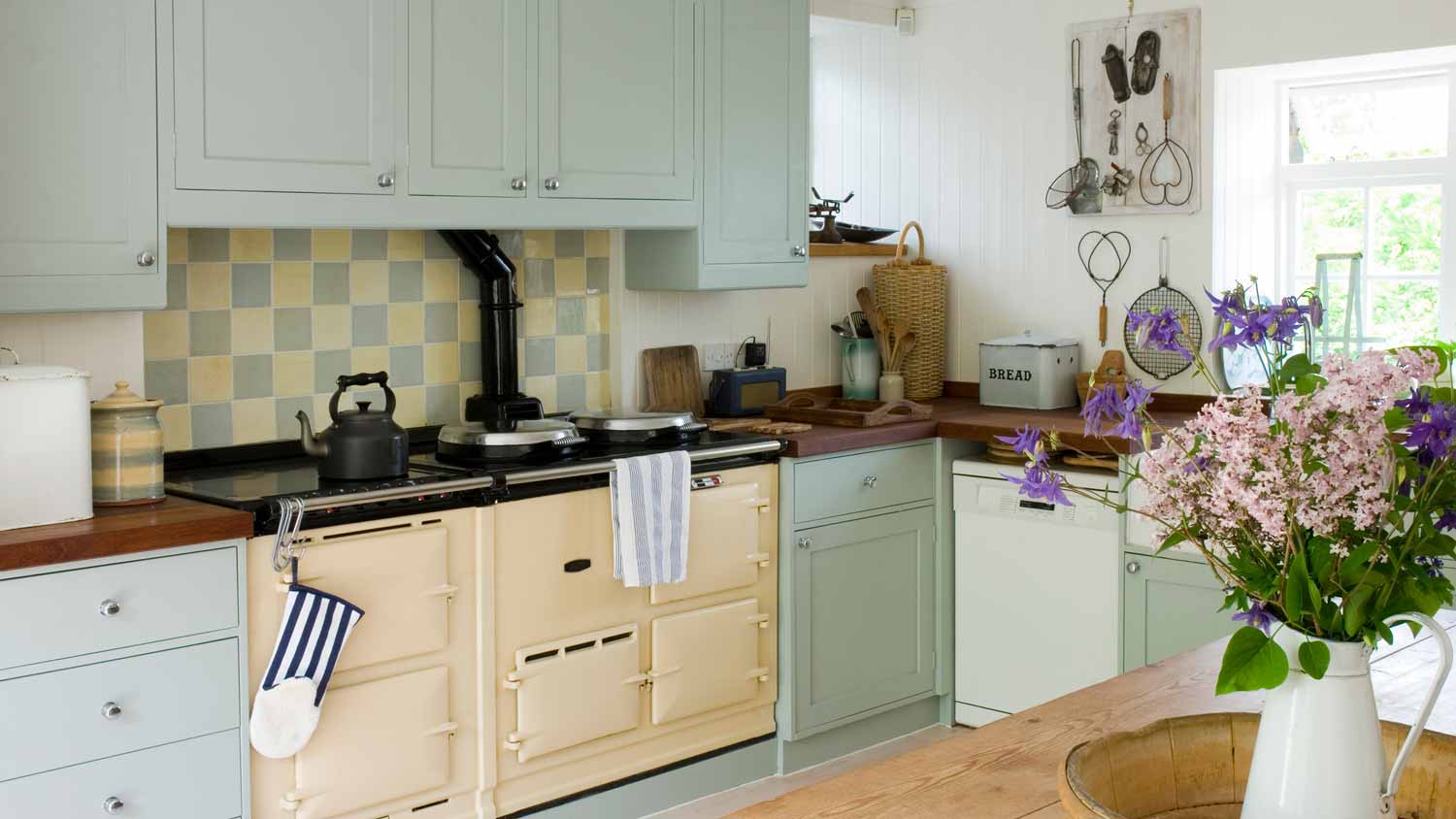
"We love our cabinets! They look fantastic while remaining affordable. The friendly staff at AWD helped us from start to finish. They are very knowledgeable and gave us advice and tips when needed. They were receptive and patient with our ever-changing needs. Once we finalized our purchase, we received our cabinets within two weeks! The cabinets are very sturdy and the color is beautiful. The hinges and hardware are high quality. We are extremely pleased with AWD and would recommend them to any friends or family looking for good cabinets at a fair price."
"Yes I got the job and Homeowner was Happy and I the best was the office Material and everything I needed was Tristen Did Fabulous Job would work with on any project Thank you Tristen awesome Job"
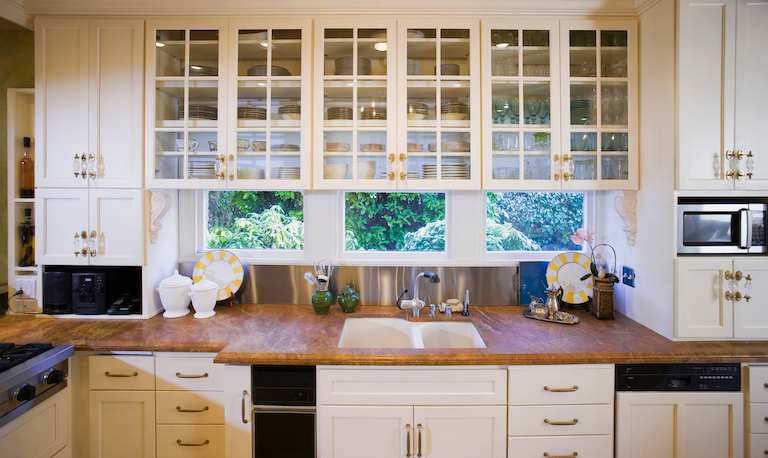
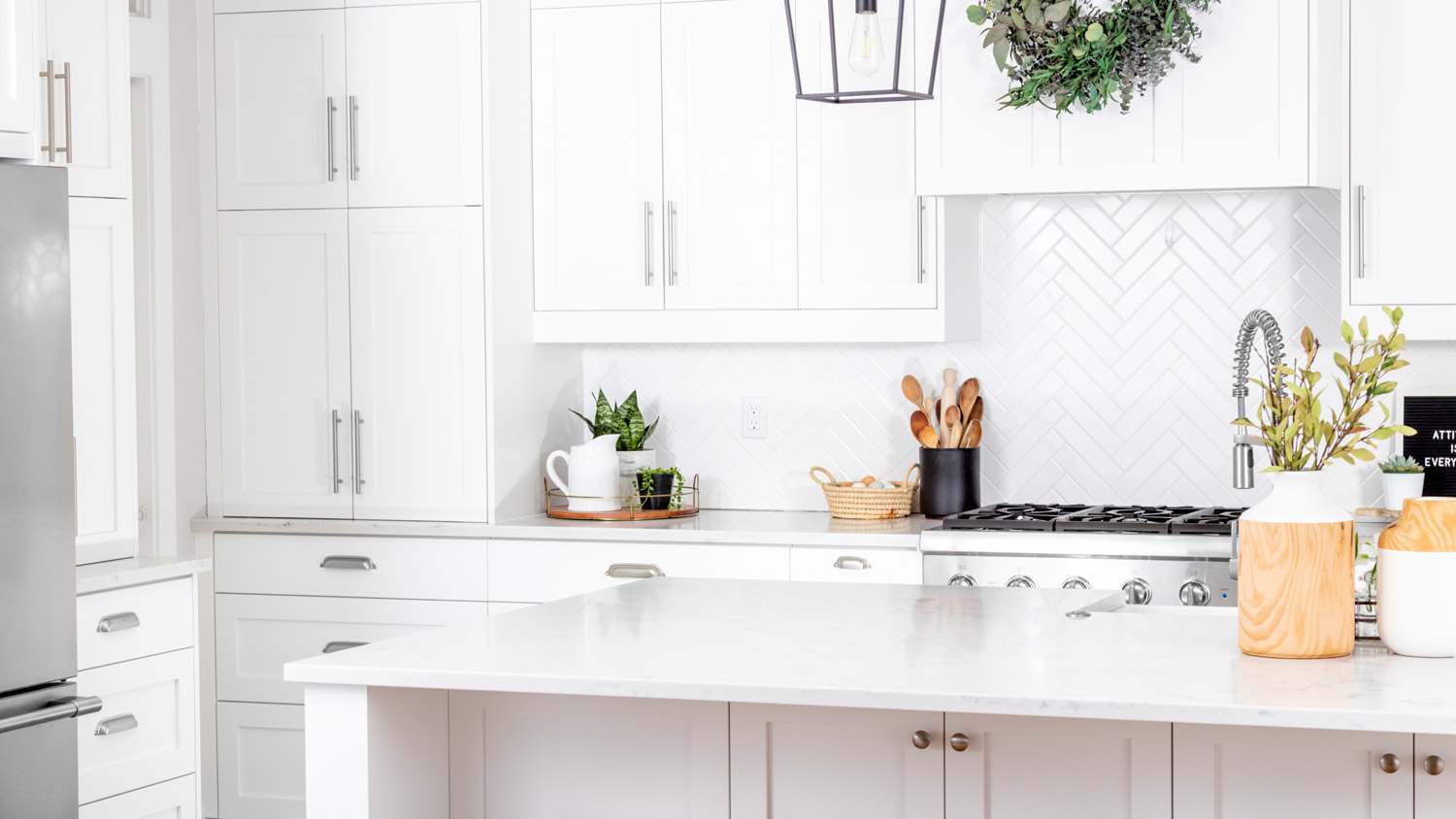
The 1/3 rule is a design guideline used by interior designers and cabinet installers to select appropriately sized pulls for cabinets and drawers. The rule suggests that for a balanced and cohesive look, a cabinet pull should be approximately one-third the height of the cabinet door or one-third the width of the drawer face. This guideline helps create a symmetrical appearance because the human eye tends to follow the length of the pull across the cabinet face.
While the 1/3 rule is a helpful starting point, it is not the only option. If a measurement falls between available pull sizes, it's generally best to size up. For an ultra-contemporary aesthetic, you can also opt for full-width pulls that span the entire drawer.
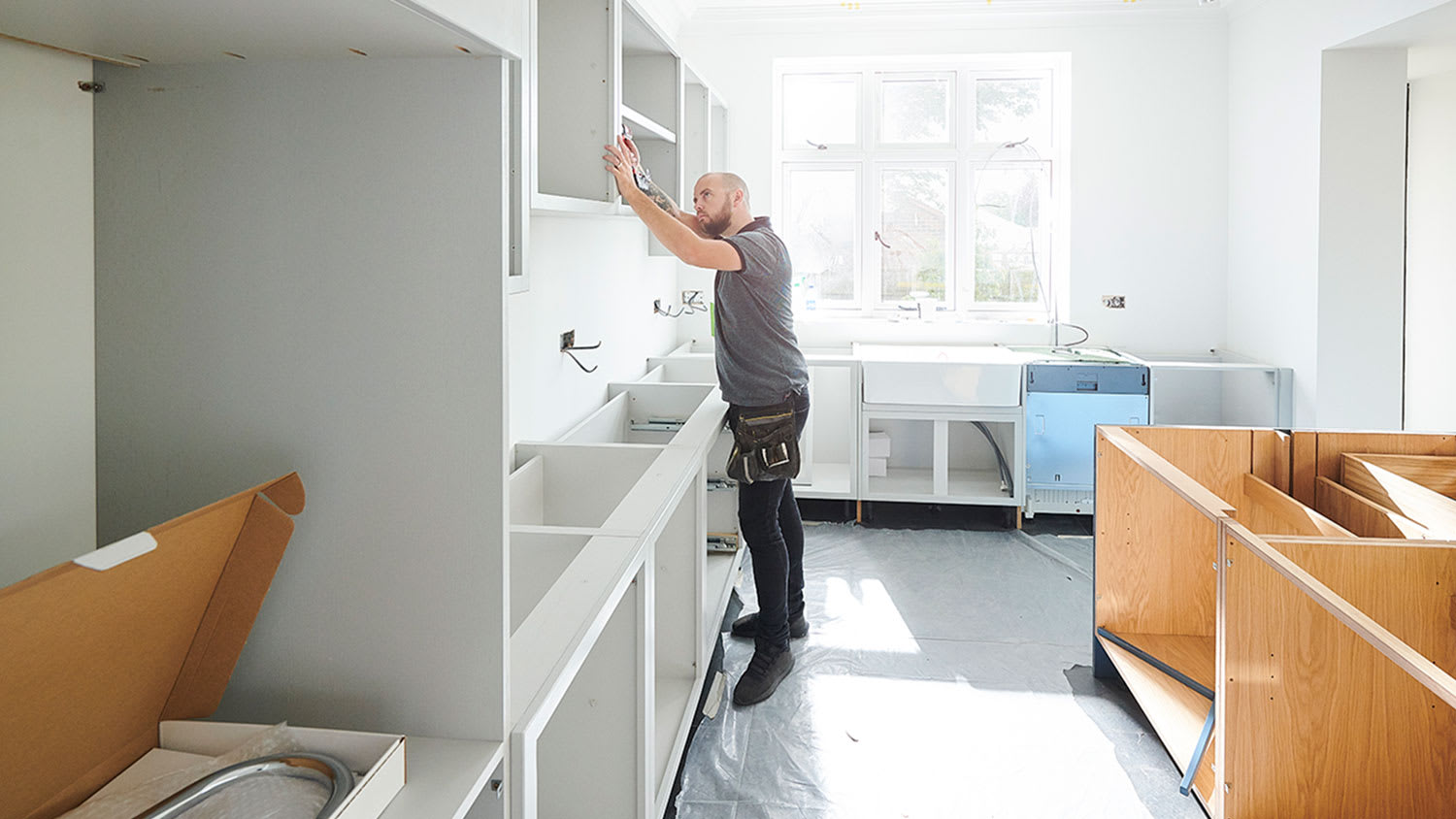
Most assemblies take 1-3 hours, but larger units or those requiring wall mounting may take longer.
It’s much less expensive to build your own garage shelves, and you’ll still get stable, long-lasting, and sharp-looking shelves. Garage storage systems cost between $615 and $2,635, with the national average of about $1,455. Building DIY garage shelves typically costs less than $500, and the quality of a DIY garage shelving unit will almost always be higher than what you could buy premade for the equivalent price.
Solid wood is the most common material for cabinet bases. It’s a popular choice because it’s durable and will hold up over time. Oak, maple, cherry, hickory, and pine are all types of solid wood that can be used to build cabinet bases. Other options include plywood, medium-density fiberboard, and other types of manufactured lumber, but they need to be sealed properly to avoid swelling, separating, and delamination from moisture.
Installing cabinet toe kicks after installing flooring is common, as this produces a sleek, streamlined appearance along the cabinetry bases. The toe kick is a cabinetry term for the covered, recessed areas at the cabinet’s base that let you stand closer to the counter more comfortably by making room for your toes.
The Sargent, NE homeowners’ guide to cabinet making services
From average costs to expert advice, get all the answers you need to get your job done.
All rooms require various storage solutions for everyone’s needs. Find ways to increase your cabinet storage space outside the kitchen to stay organized.