




Top-rated energy efficiency auditors.

Get matched with top energy efficiency auditors in Mccool Junction, NE

Enter your zip and get matched with up to 5 pros

Need a pro for your energy efficiency auditing project in Mccool Junction, NE?

Select your specific project to find the pro for you.

Find Energy efficiency auditors in Mccool Junction

Energy Efficiency Auditing questions, answered by experts

Keep the unit full but not overloaded, ensure door seals are tight, set correct temperatures, and avoid frequent door openings. Position the appliance away from heat sources for optimal performance.

It’s not recommended to turn off your breaker box in hopes of saving electricity. Breaker boxes were not designed to constantly be switched on and off. Therefore, turning off breakers unnecessarily can cause costly damage that outnumbers any energy savings. Only flip your breakers if absolutely necessary when troubleshooting an electrical issue.

To find a reputable home energy auditor, start by researching local companies that offer the service and check their reviews, methods, and certifications. The most reputable professionals are often Home Energy Professional (HEP)-certified by the Building Performance Institute (BPI). You can also consult the Department of Energy’s certified list of energy auditors or use a state licensing tool to review local guidelines and ensure you are hiring a certified professional for your area.

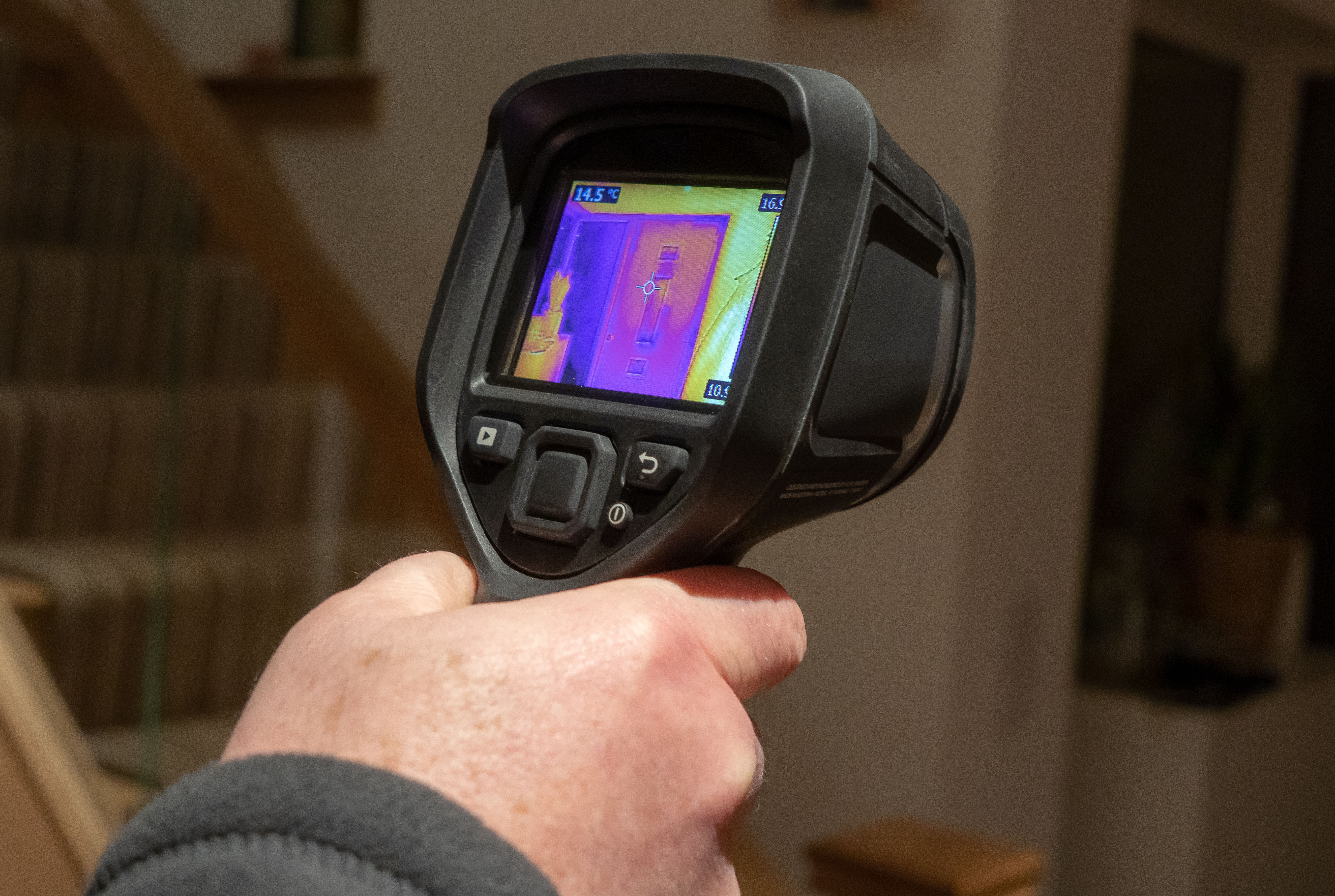
The difference between an energy auditor and a home inspector is primarily in the purpose of the inspection. The energy auditor conducts tests in your home to determine the energy efficiency levels in areas like windows, insulation, and doorways. The auditor then makes recommendations for ways to improve a home’s energy efficiency

A home inspector examines various structures of your home to determine that everything is up to code and gauge the condition of features like the roof, foundation, HVAC, and electrical. The home inspector reports on the overall home and makes repair recommendations.

STC (Sound Transmission Class) is a rating that describes how well a building material or assembly blocks airborne sound. A higher STC rating means less noise will pass through the material, providing better sound reduction. This rating system applies to various building components, including windows, doors, flooring, drywall, and insulation.

For context, a typical single-pane window has an STC rating of around 25 (where normal conversations are audible), while a well-sealed, double-pane window can exceed STC 45 (blocking loud speech and most music). It is important to note that for some products, like soundproofing drywall, the STC rating refers to the entire wall system, not just the individual panel.

Additionally, STC ratings are most effective for measuring sound reduction at mid-to-high frequencies, such as human speech, and may not accurately reflect how well a material blocks low-frequency sounds like bass music or thunder. Because of these factors, it is recommended to consult a professional to determine the right STC-rated materials for your specific soundproofing needs.

The Mccool Junction, NE homeowners’ guide to energy efficiency auditing services

From average costs to expert advice, get all the answers you need to get your job done.