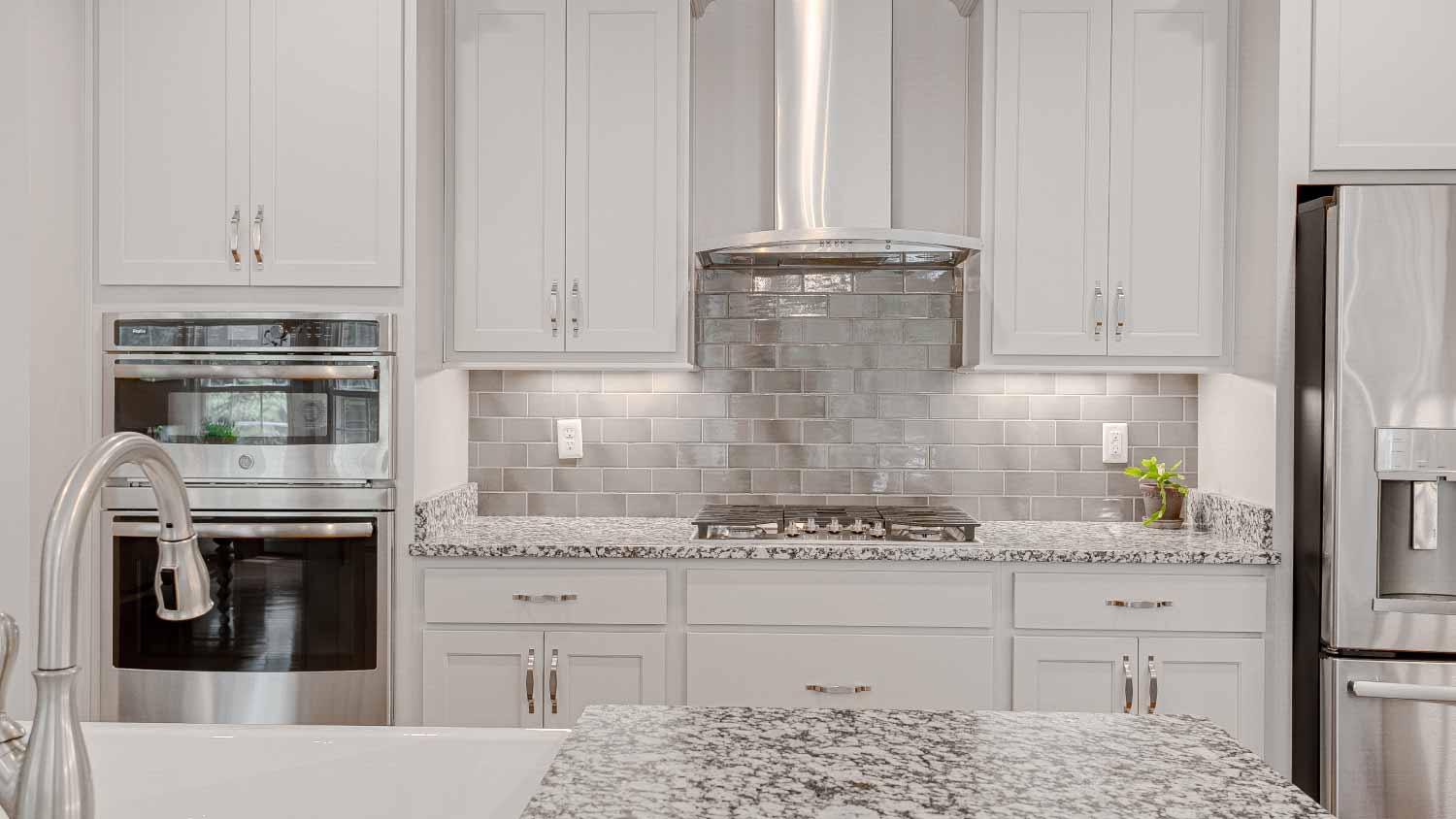






Top-rated granite restoration pros.

Get matched with top granite restoration pros in Lyons, NE

Enter your zip and get matched with up to 5 pros

Need a pro for your granite restoration project in Lyons, NE?

Select your specific project to find the pro for you.

TRUSTED BY LYONS, NE HOMEOWNERS

  • Average homeowner rating star icon4.9
    Average homeowner rating
  • Verified reviews icon13
    Verified granite restoration services reviews

Find Granite restoration pros in Lyons

Granite Restoration questions, answered by experts

Yes, you can repair a stone countertop yourself for minor issues like small chips or scratches, and DIY repair kits are available for this purpose. However, for larger problems such as major cracks or significant stains, DIY repairs may not be effective. In these cases, professional services are recommended to ensure a seamless finish, prevent further damage, and use the proper materials and techniques for a full restoration.

While caulking is handy for quite a bit of jobs, it’s still limited. Any crack or gap larger than 1/4 inch is best left for a more intensive repair job. When you hire house painters, they should run a thorough check to see what they need to repair before they start the job.

Large repairs that caulking typically won’t do well with include cracks or holes larger than a 1/4 inch, rotted wood, or metal surfaces, such as garage doors.

The best cleaning method to use for your project will depend on the specifics of that project. However, sandblasting does come with the risk of damaging the surface you’re trying to clean. One safer alternative to sandblasting is laser cleaning, which can remove many of the same contaminants with a lower risk of damage and a lower overall cost.

There are a few ways to remove calcium buildup in your pipes, but the most natural option involves vinegar, baking soda, and boiling water. To use this method, pour 1/2 cup of vinegar down the drain you're trying to clear, then follow it up with 1/2 cup of baking soda. Place a rag over the drain to create a light seal and leave it for 30 minutes. Remove the rag, then pour a pot of boiling water into the drain. After the water drains, wipe everything down with a sponge.

The frequency for sealing granite countertops depends on several factors, including the type of sealant used, the color of the granite, and how heavily the countertops are used. As a general guideline, resealing is often recommended every 12 to 18 months, but some sources suggest it could be as often as every few months or at least once a year.

The type of sealant is a major factor: water-based sealants may need reapplication every six months to a year, while more durable solvent-based sealants can last for five to 10 years. Additionally, factors like heavy kitchen traffic, frequent use of acidic cleaners, and lighter granite colors may require more frequent sealing to prevent staining.

To determine if your countertops need resealing, you can perform a simple water test. Place a few drops of water or a wet paper towel on an inconspicuous area of the granite. After 10 to 15 minutes, check the spot. If the water has beaded up, the seal is still intact. If the water has been absorbed and darkened the stone, it's time to apply a new coat of sealant. You can choose to seal the granite yourself or hire a professional to ensure it's done correctly.

The Lyons, NE homeowners’ guide to granite restoration services

From average costs to expert advice, get all the answers you need to get your job done.