




Top-rated bird control service pros.

Get matched with top bird control service pros in Hemingford, NE

Enter your zip and get matched with up to 5 pros

Need a pro for your bird control service project in Hemingford, NE?

Select your specific project to find the pro for you.

Find Bird control service pros in Hemingford

Bird Control questions, answered by experts

It's advisable to avoid using harmful methods to eliminate birds. Poisoning birds is inhumane and can have unintended ecological consequences, affecting other wildlife and pets. Similarly, using firearms or other lethal means poses safety risks and could be illegal in many areas. Sticky substances like adhesives can cause birds to become trapped and injured. Lastly, playing excessively loud or distressing noises can stress birds and humans. Focusing on humane and environmentally responsible strategies is essential when dealing with bird issues.

If you’ve had a prior bat infestation or simply want to avoid having bats invade your home in the first place, there are a few steps you can take without the need for a pro. 

  • Seal entry points, such as where your chimney meets your house, or other gaps or holes exist.

  • Use bat deterrents like bright lights or ultrasonic devices to force them away from your home. 

  • Reduce bat attractions like standing water and bird nectar feeders inviting bats into your yard.

Woodpeckers peck at the break of dawn and take a break whenever the sun is not shining. On sunny days, expect pecking from dawn to dusk. On cloudy days, expect sporadic pecking when the sun peeks through. These birds are most active in the spring; you’ll hear them drumming as soon as the weather turns warm. 

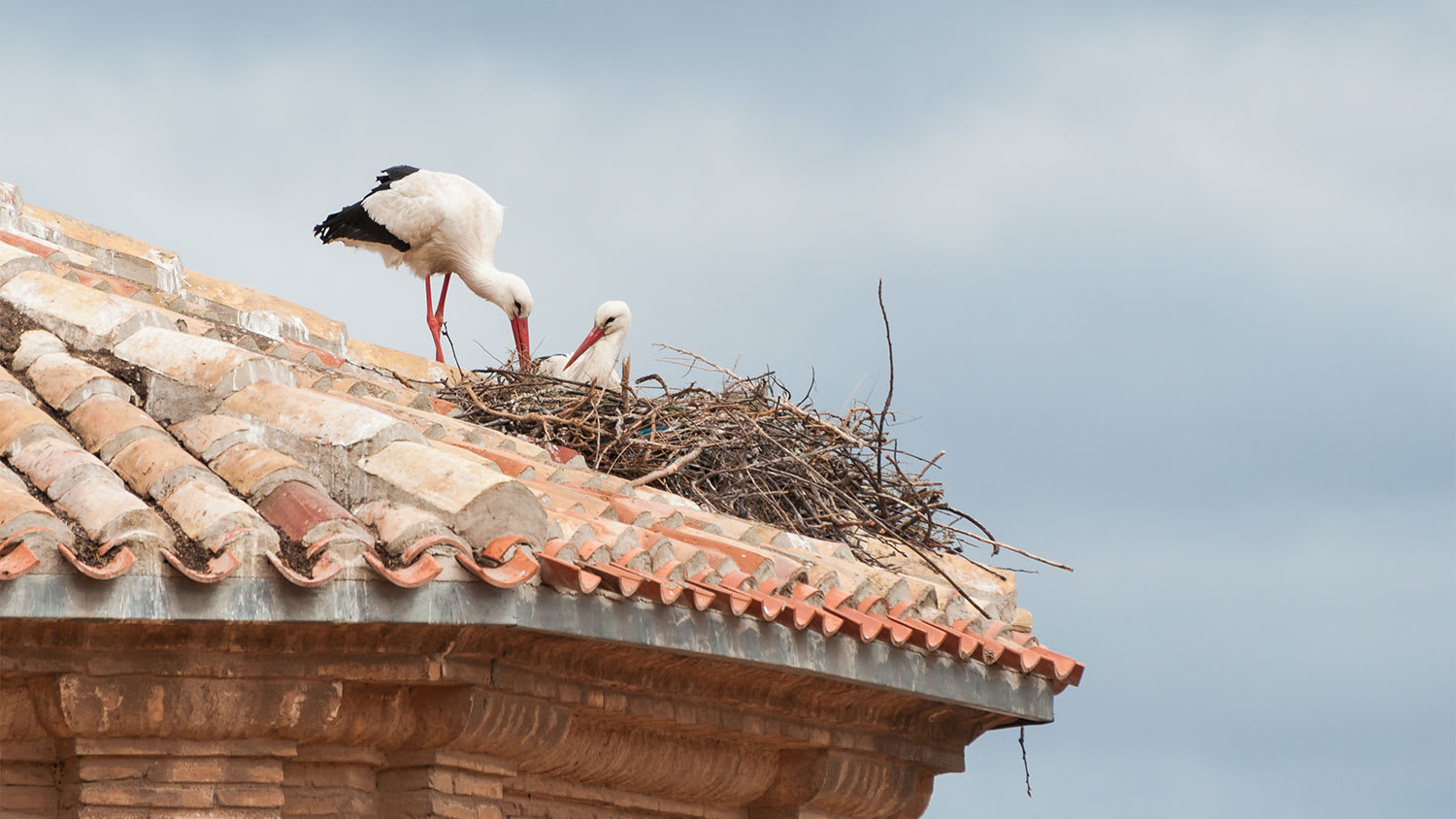
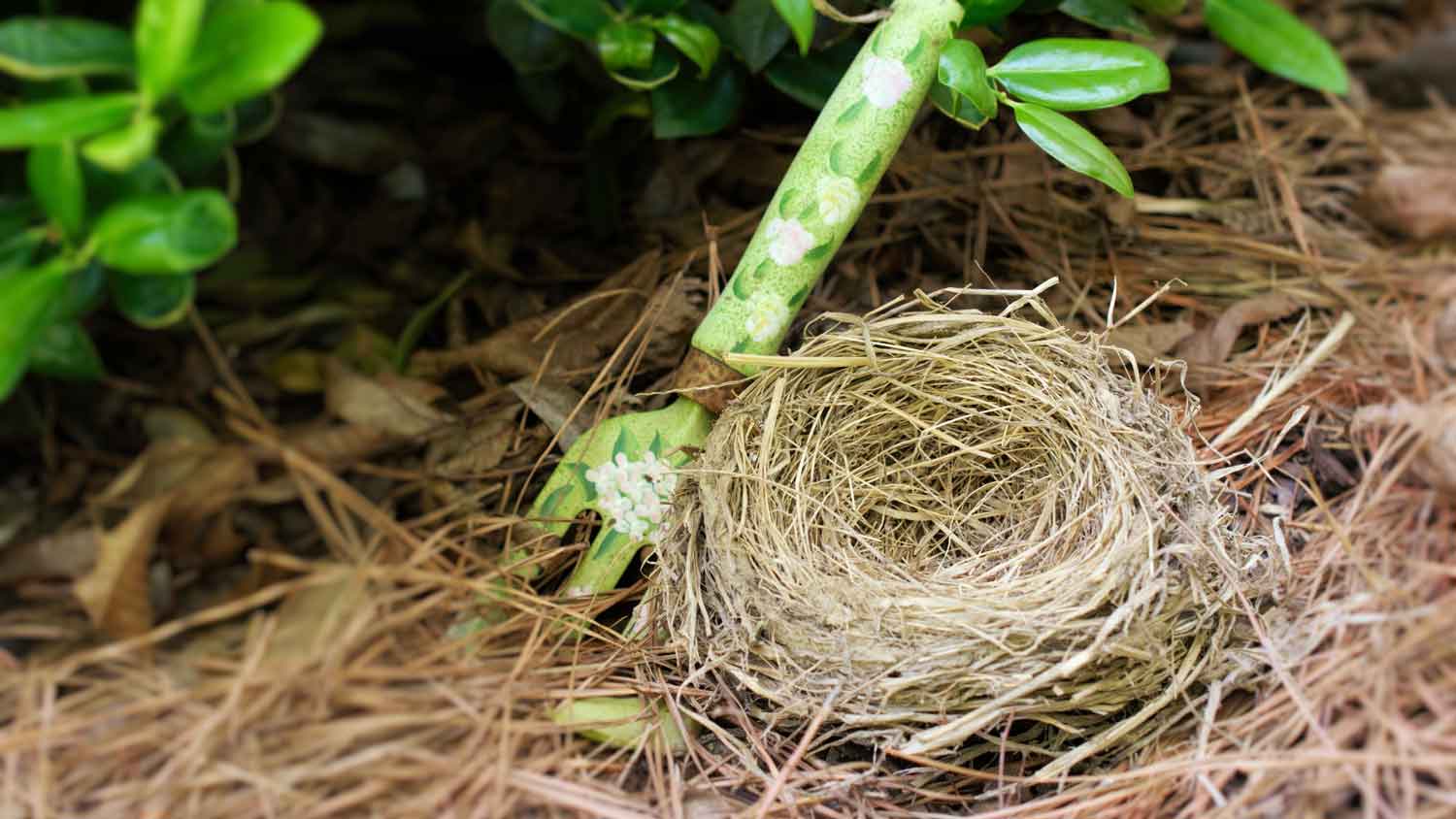
While not common, bird’s nests can cause problems to your property in some cases. 

  • Block vents for your dryer, stove, and fans, creating a fire hazard

  • Clog gutters and drains, leading to roof and siding damage

  • Damage solar panels

  • Wiring issues if the nest is on or near a light fixture

When woodpeckers start banging on your walls or roof, they are probably looking for insects to eat, storing nuts for winter, drilling a hole to make a nest, or communicating with other birds to establish territory or find a mate.

The size of the hole can help determine the reason for the pecking. Small irregular holes are a result of insect hunts. Acorn holes are more consistently sized and often fitted with a nut in the middle. Nest holes are large and have rounded edges. If the bird is pecking to mark its territory or attract a mate, it may leave dents rather than holes, and the noise will stop when the mating season starts in spring.

The Hemingford, NE homeowners’ guide to bird control services

From average costs to expert advice, get all the answers you need to get your job done.