




Top-rated bathroom fan installation pros.

Best bathroom fan installation pros near Grant, NE

Enter your zip and get matched with up to 5 pros

Need a pro for your bathroom fan installation project in Grant, NE?

Select your specific project to find the pro for you.

Top-Rated Bathroom fan installation pros in Grant - Updated Nov 2026

Bathroom Fan Installation FAQs, answered by experts

The direction your ceiling fan spins helps create comfortable airflow in your home and can also help cut down on energy costs. 

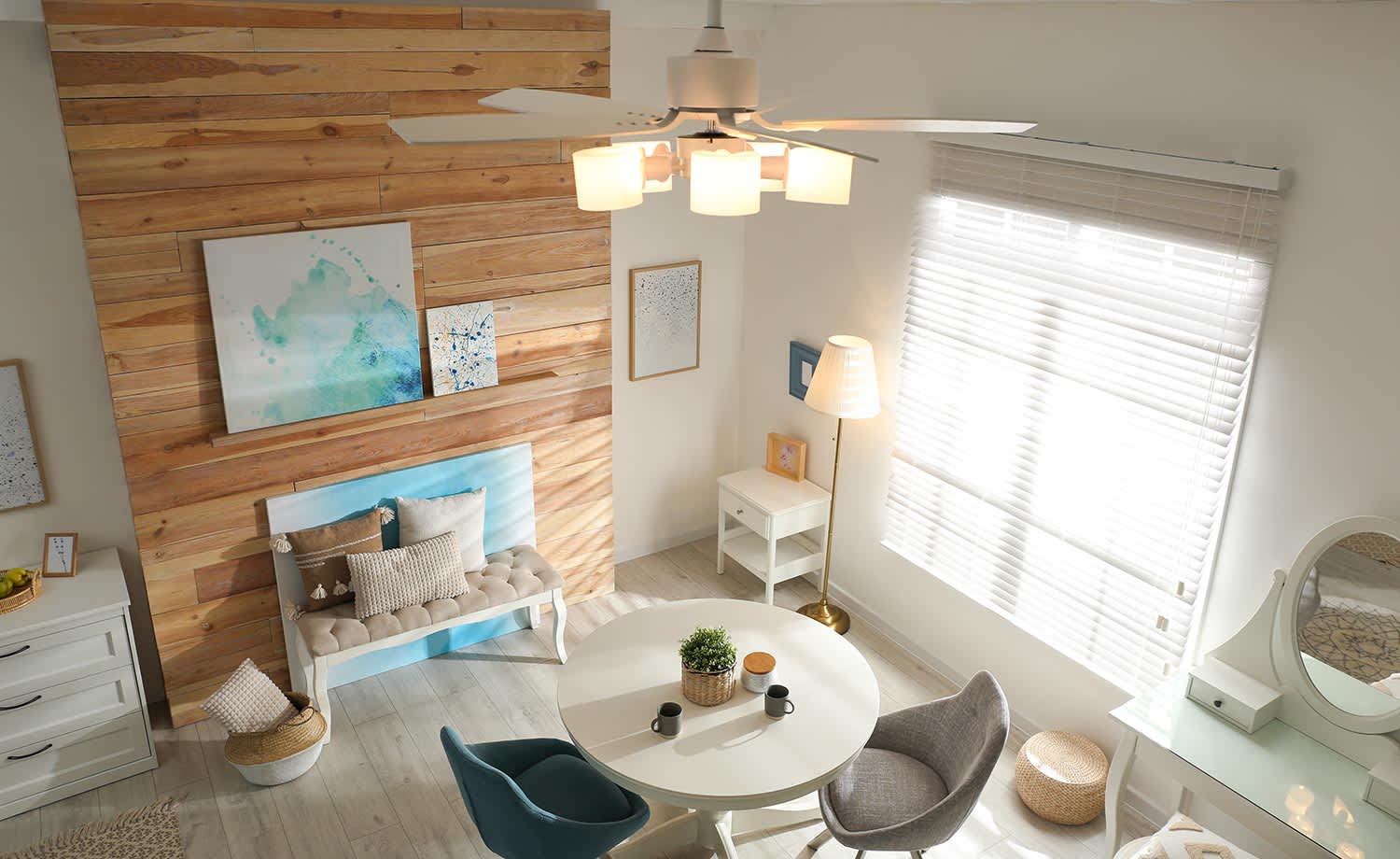
During summer, your ceiling fan should spin counterclockwise. This will push cooler air downward in a column and help lower your room’s air temperature. In the winter, set your ceiling fan to spin clockwise and at the lowest speed setting. This will pull cool air upwards, displacing the warm air that pools towards the top of your ceiling and bringing it down towards the floor.

Most people describe the sound of an unbalanced ceiling fan as a buzzing or grinding noise. This is caused by the parts of the fan rubbing or rattling against each other as the blades spin. However, a wobbling fan can also make squeaking, rattling, or thumping sounds, depending on the severity of the balance issue.

The lifespan of an attic fan depends on the type. Passive fans can last 40 to 50 years, while electric and solar models typically last 10 to 15 years. You can extend the life of your fan with regular maintenance, such as cleaning the fan blades and shutters and checking for moisture. For professional service, you can consult a local attic fan installer or have an HVAC technician clean, oil, and inspect the unit for potential issues.

Ceiling fans offer multiple benefits for your home. They improve air circulation to prevent stagnant environments and provide cost-effective temperature control, which can reduce reliance on your HVAC system and help lower utility bills. In addition to their functional advantages, ceiling fans can also enhance a room's aesthetic appeal with features like built-in lighting and modern styling.

Whole-house fans cost significantly less to run than a window AC unit. You'll pay an average of $0.01 and $0.05 per hour to run a whole-house fan compared to $0.06 to $0.88 per hour for the cost to run a window AC, depending on its size and the size of your home. They also use far less electricity than traditional central AC units.

The Grant, NE homeowners’ guide to bathroom fan installations

From average costs to expert advice, get all the answers you need to get your job done.