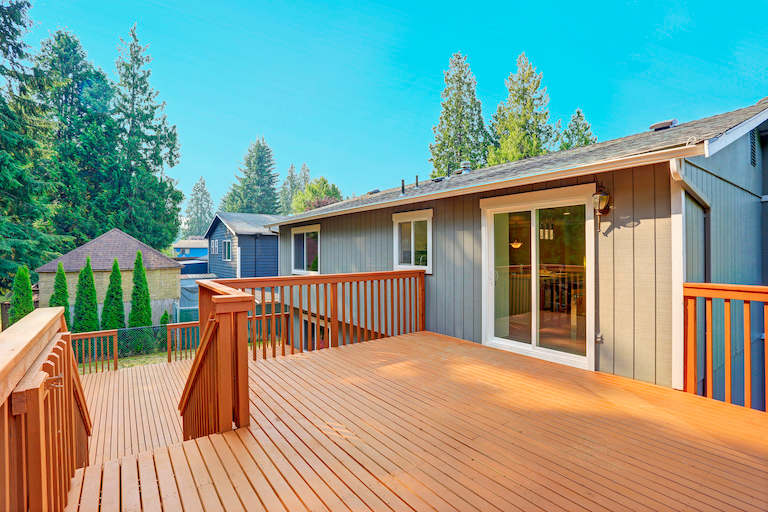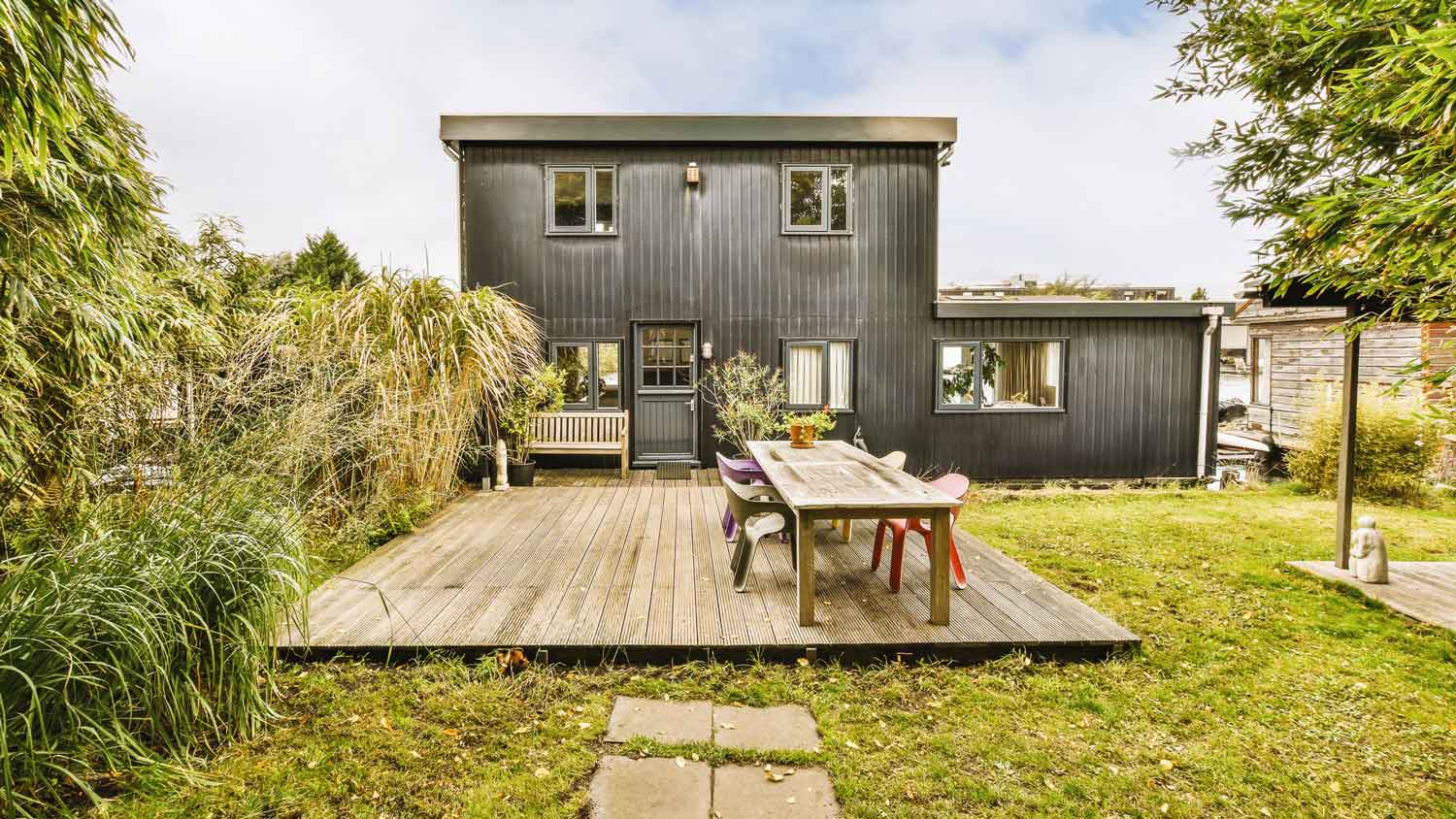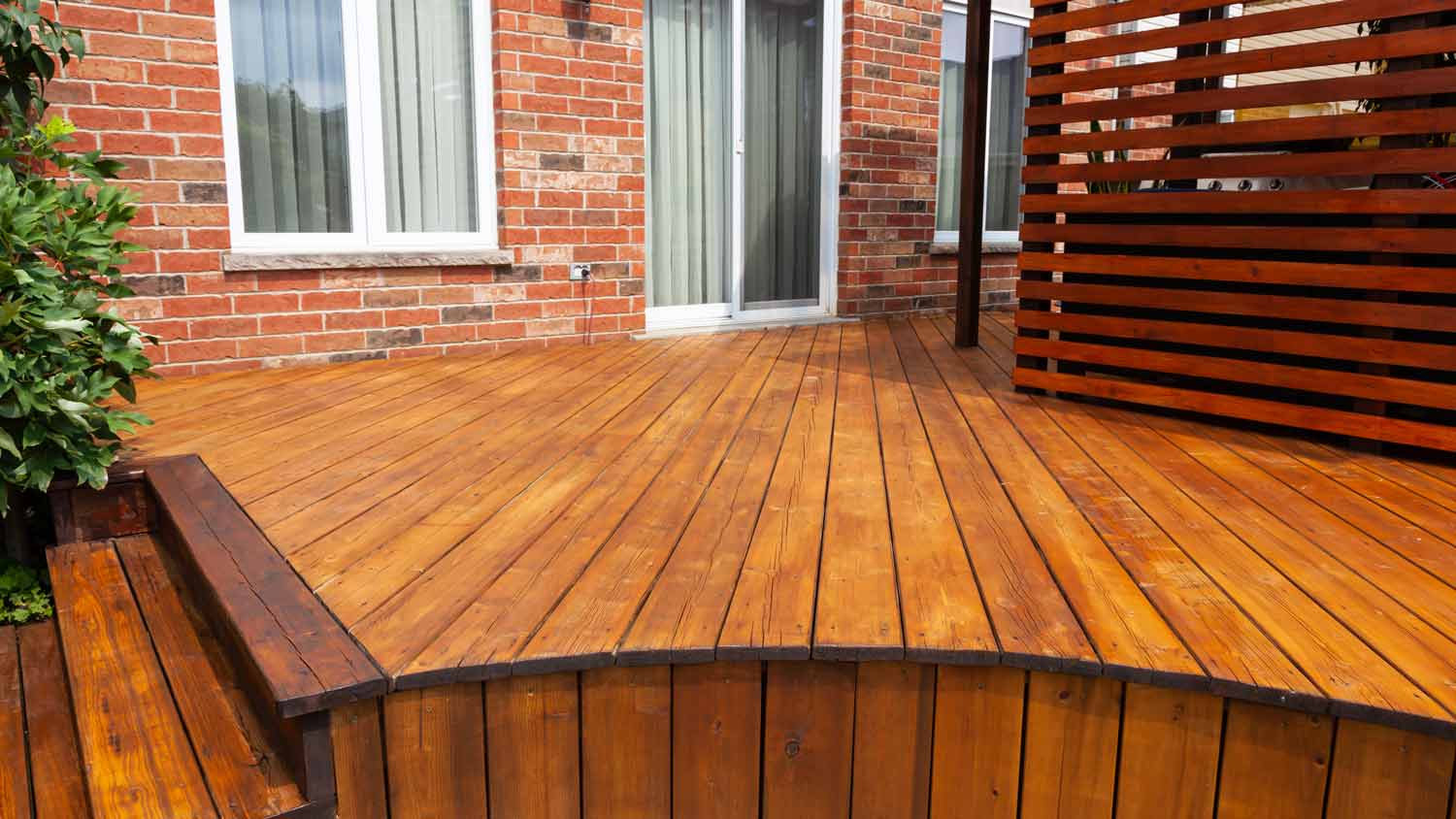






Top-rated deck cleaning pros.

Get matched with top deck cleaning pros in Friend, NE

Enter your zip and get matched with up to 5 pros

Need a pro for your deck cleaning project in Friend, NE?

Select your specific project to find the pro for you.

Find Deck cleaning pros in Friend

Avatar for Unlimited Handyman Services
Unlimited Handyman Services
2.5(
12
)

Serving Friend, NE and surrounding areas

In business since 2021

Free estimates

Offers commercial services

"I'm happy I hired Unlimited Handyman Services to clean my dryer vent. They are professional, down-to-business in getting the job done at a reasonable, fair price ??. They're at the top of my list for jobs around the house that aren't run-of-the-mill."
Response time1 day
Recommended by44%of homeowners
Showing 1-10 of 40
Deck Cleaning questions, answered by experts

No, termites do not eat Trex or any other composite decking brand. Termites eat cellulose, of which composite decking like Trex contains very little compared to natural wood. This feature can help justify the higher Trex decking costs if you live in an area with abundant termites.

Whether composite decking is better than wood depends on your priorities, especially regarding budget and maintenance. Composite decking offers superior longevity (30 to 50 years) and durability, and it is low-maintenance, requiring no sanding, staining, or sealing. In contrast, wood decks typically last 10 to 30 years and need refinishing every few years. While the upfront cost of composite is higher than wood, the reduced maintenance can lead to long-term savings. If a lower initial cost is the primary factor, wood is the more affordable choice.

Pressure-treated wood contains preservatives that give the material internal protection from rot and pests. Untreated lumber won’t last more than a few years unless you choose a more expensive wood, like cedar, that naturally stands up well to moisture. Composite decking can outlast wood but is more expensive and doesn’t look as natural. Keep in mind that you’ll need to seal any exterior wood product to protect it from the elements and other forms of external damage.

Footings for ground-level decks need to be at least 12 inches deep, and some areas require them to be even deeper. A standard range for deck footings is anywhere from 12 to 48 inches. The minimum footing depth is determined by an area’s frost line and soil conditions. If you’re unsure how deep to install deck footings, check local building codes to find the minimum footing depth in your area. 

There are several methods for attaching stair stringers to a deck. The best way is to bolt the stringers to the deck joists using three carriage bolts in a triangular pattern. This method offers the sturdiest fit for stairs that won’t budge. Alternatively, attach the stringers to the deck rims using lag bolts or to the posts using adjustable slope hangers.

The Friend, NE homeowners’ guide to deck cleaning services

From average costs to expert advice, get all the answers you need to get your job done.