
Top-rated drywall insulation pros.

Best drywall insulation pros near Blair, NE

Enter your zip and get matched with up to 5 pros

Need a pro for your drywall insulation project in Blair, NE?

Select your specific project to find the pro for you.

TRUSTED BY BLAIR, NE HOMEOWNERS

  • Average homeowner rating star icon4.7
    Average homeowner rating
  • Verified reviews icon35
    Verified drywall insulation services reviews

Top-Rated Drywall insulation pros in Blair - Updated Nov 2026

Avatar for iFOAM of Omaha
iFOAM of Omaha
5.0(
2
)
Blown-In Insulation - Install or Upgrade

Serving Blair, NE and surrounding areas

Approved

In business since 2020

Free estimates

Small jobs welcome

iFoam is a Spray Foam Insulation Contractor located in Omaha, NE. We specialize in Residential and Commercial installation of Spray Foam Insulation. Whether you need to remove and replace old insulation with energy efficient foam or have a new construction project, we do it! We have developed a reputation as providing high quality Spray Polyurethane Foam Insulation at the most affordable prices. Our prep work and application processes ensure the job is done quickly and efficiently.

Response time2 days
Response rate100%
18 neighbors recently requested a quote
Avatar for Bonney Insulation
Bonney Insulation
5.0(
10
)
Blown-In Insulation - Install or Upgrade

Serving Blair, NE and surrounding areas

In business since 1971

Free estimates

Small jobs welcome

"Did an amazing job and had a great experience. Very personable and awesome family business. Very fair price and bidding process was very easy to understand. Great quality of insulation. They go to great lengths to provide great customer service."
Response time9 hrs
Response rate96%
Recommended by90%of homeowners
Bonney Insulation
5.0(
11
)
Blown-In Insulation - Install or Upgrade

Serving Blair, NE and surrounding areas

In business since 1971

Free estimates

Emergency services offered

Thank you for choosing Bonney Insulation. We are a locally owned and operated company that values honesty and integrity and treats your home as if it were our own. We offer a variety of services that are customizable to each individual project. You will find us to be competitively priced, paying close attention to the details of each and every project that we are involved with. We look forward to building lasting relationships and guarantee your satisfaction!

Craw space
Craw space
Craw space
Craw space
Attic blow in

+2

3 neighbors recently requested a quote
Recommended by81%of homeowners

Showing 1-10 of 24
Drywall Insulation FAQs, answered by experts

The two most common drywall thicknesses for ceilings are 1/2-inch and 5/8-inch. For most standard residential applications, 1/2-inch drywall is sufficient and widely used. It provides adequate support and is lighter and easier to handle during installation compared to thicker sheets. However, 5/8-inch drywall is often used for specific cases where additional benefits are needed. It is heavier but provides superior sound dampening and fire resistance. You should consider using 5/8-inch drywall for ceilings in commercial buildings, between a garage and a living space, or above a finished basement to meet building codes or for enhanced soundproofing.

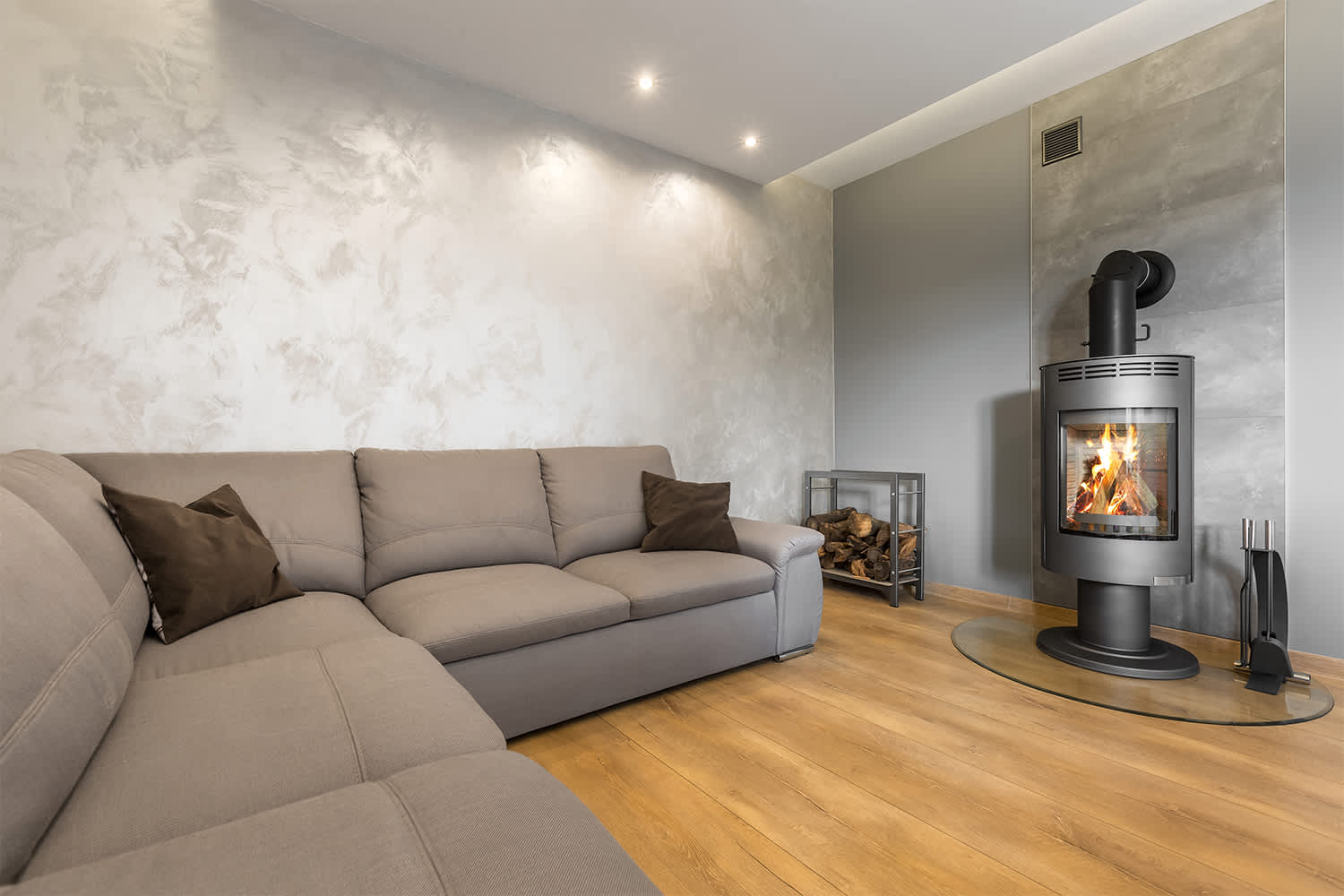
This depends on how much plaster is applied and in how many layers, but a decent estimate is around 150 square feet. If you are applying only two coats on a small wall, there is a chance you may only need one or two gallons for the entire project. If you are plastering a large living room wall with high ceilings, using one of the more involved techniques–like Scagliola–that requires several coats, expect the project materials costs to add up quickly. 

If the holes in the plaster are small, you can fill them with layers of patching plaster until they’re filled. After it dries, you can sand the plaster and paint over it. If the hole is much larger, consider using bonding plaster first and then a layer of patching plaster, completing the process with sanding and a layer of paint.

Yes, taping inside corners is a critical step in the drywall installation process.  Properly taping inside corners is essential for achieving a professional look, and an installation that resists cracking and maintains its integrity over time. Taping the corners involves the application of a joint compound along the seam where two drywall pieces meet. This process provides reinforcement, conceals the seam, and prevents future gaps or cracks from developing.
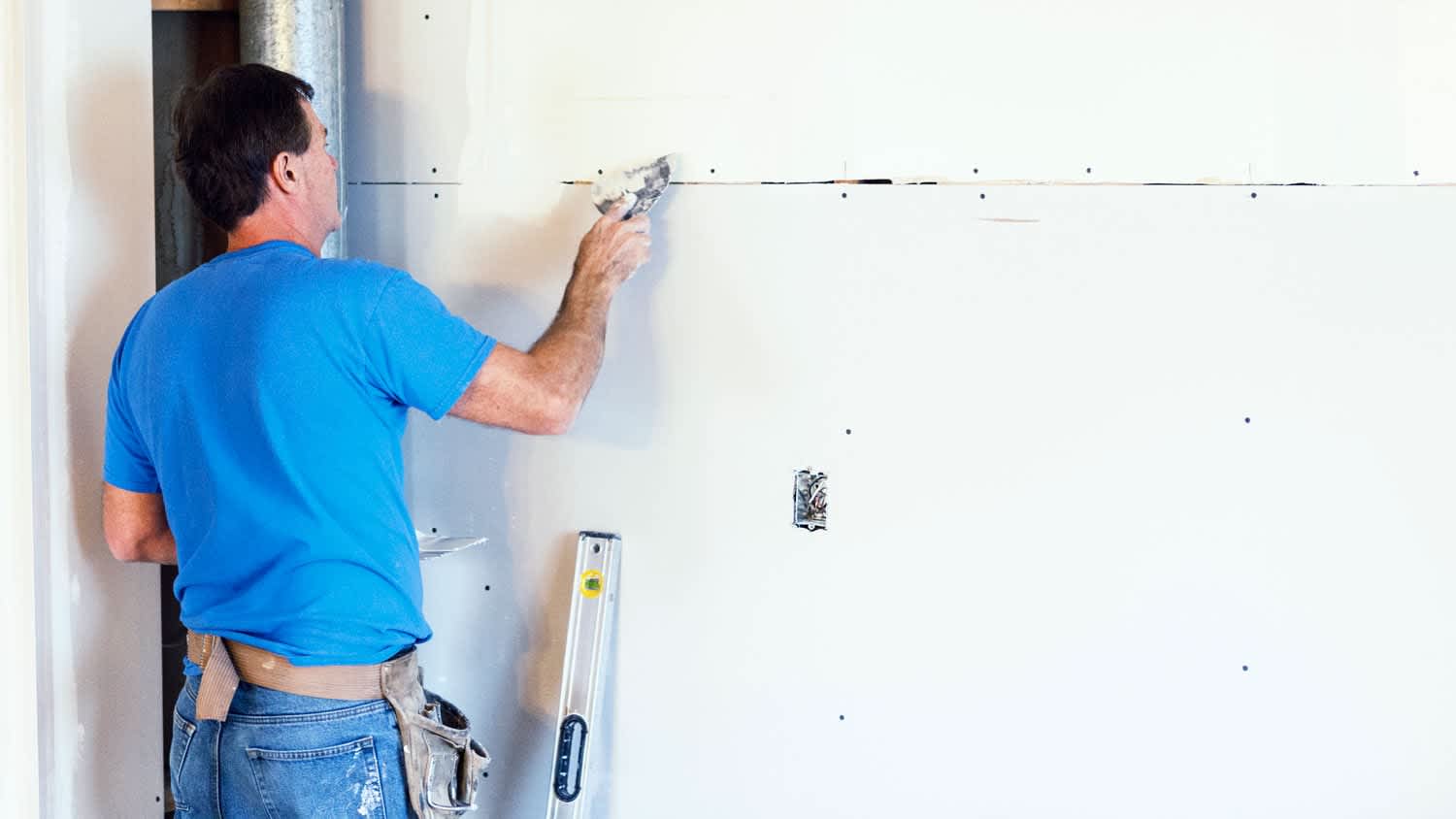

The tool you use to sand plaster will depend on the size of the project. If you’re just working on a small section of your wall to get rid of an uneven spot on the surface, hand-sanding might work. However, for larger projects, a drywall sander can make a huge difference when it comes to both time and elbow grease—and an orbital sander can help for detailed areas such as around ceiling fans.

The Blair, NE homeowners’ guide to drywall insulation services

From average costs to expert advice, get all the answers you need to get your job done.