"I communicated with Rob Calbo for services of a background check with CSI Secure Solutions and he was fantastic. He spoke with me in a very professional manner and put me at ease right away. The process was seamless and my request was delivered very efficiently. Within just a few hours of providing them with information, I was able to get feedback. Rob took the time to speak with me and answered all of my questions. I will definitely be using them again in the future should the need arise, and I would definitely recommend them as being very efficient, professional and reliable.
"There were many things wrong in my computer (my fault and letting grandchildren on computer) Robert was so helpful, gave me many good instructions to keep everything safe, which I have written down, feel like I have a new computer. He was so excellent and experienced, took his time and was meticulous about what needed to be done. He was a pleasure to work with and I will use this company again! Linda Disy"
"Choice responded quickly but the insurance plan does not pay for all doors to be re-keyed unless you have very few locks. The number of locks covered by the insurance is determined by keyholes, not doors! (Read your policy!) You will likely have to shell out some money to have this essential new-home service if you have more than four keyholes. The locksmith they called was EXCELLENT and made all our locks completely functional. We will happily hire the locksmith again (R.L Locksmith LLC). We paid $201.81 (plus another $50 for some door re-alignment not included in the re-keying benefit) and Choice paid $100 for the job."
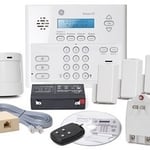
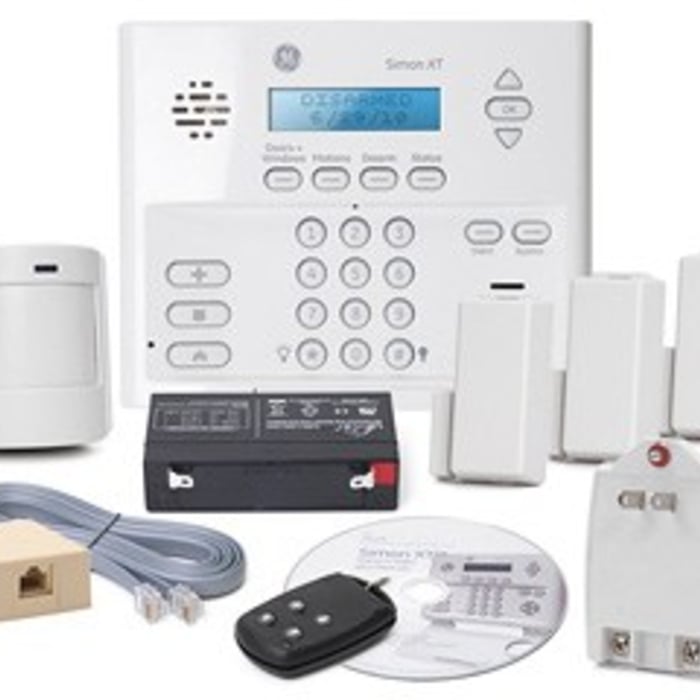
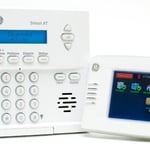
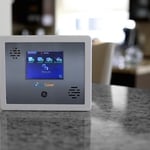
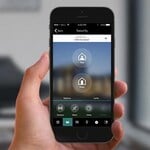
SkyCover provides a total home security and automation solution that is 100% wireless with 100% cellular monitoring and no long-term contract. SkyCover monitoring includes interactive services for remote system control and access. Trust SkyCover to deliver with risk-free 30-day trial, free shipping and no long-term contract monitoring.
"The garage door opener needed a part that took almost a month to arrive. Fridge and dishwasher also got few weeks before they were actually repaired."
Door locks should be changed roughly every seven years. The average lifespan of a door lock is seven to 10 years, so it’s best to err on the side of caution and change them early, especially if they are showing signs of wear and tear. Examples of deterioration include visible rust and difficulty opening or closing the door. Some locks can work safely beyond 10 years, but it depends on how often they are used and whether they are exposed to damaging environmental conditions like precipitation or extreme temperatures.
Regrettably, entirely pick-proof locks don't exist unless you opt for keyless varieties. Locks advertised as "pick-proof" are, in reality, more resilient against lock-picking and bumping attempts because of complex mechanisms consisting of pins and sidebars. These locks work like this—they assign two tasks to the key, enhancing security by making unauthorized entry more challenging.
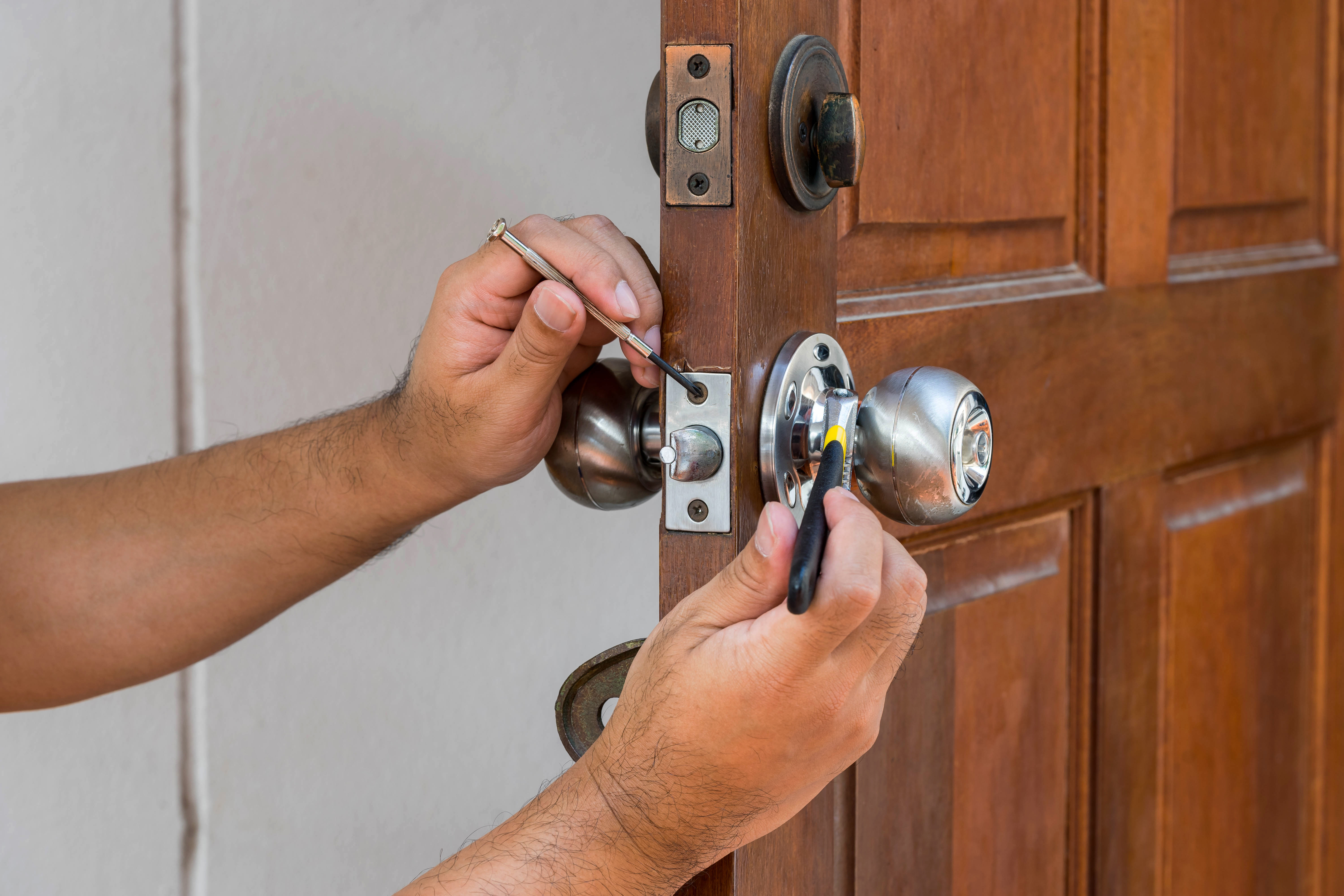
Most door knobs can be removed with a Phillips or flathead screwdriver. If you don’t have either of those available, a paper clip or small pin can sometimes work, but the extra effort may not be worth a quick trip to the hardware store.
There are several ways to add security to a sliding glass door. To start, install a rod or deadbolt lock instead of the flip-lock that comes standard with most sliding glass doors. Add a sensor to the door and monitor any activity through your home security system.
Finally, installing shatterproof window film will help keep the structural integrity of the glass if it cracks.
Many insurance providers offer policy discounts when adding security features to your home. The best way to find out if new locks will reduce your premium is to simply ask your agent.
The Benkelman, NE homeowners’ guide to locksmith services
From average costs to expert advice, get all the answers you need to get your job done.
Wondering how much a locksmith costs? Discover locksmith prices, key cost factors, and tips to save on home lockout, rekeying, and installation services.
Locked out of your house or dealing with broken hardware? Learn about locksmith costs, warning signs of failing locks, and how to hire the right local pro.
No one wants to get locked out, and locksmith scams make the situation even more unpleasant. You can find legitimate locksmiths by checking things like their phone number, car, and prices. Find out how to pick reputable locksmith companies here.