






Top-rated energy efficiency auditors.

Get matched with top energy efficiency auditors in Thompson, ND

Enter your zip and get matched with up to 5 pros

Need a pro for your energy efficiency auditing project in Thompson, ND?

Select your specific project to find the pro for you.

Find Energy efficiency auditors in Thompson

Energy Efficiency Auditing questions, answered by experts

Blower door tests are measured in a few different ways, but the most popular are air changes per hour (ACH) and cubic feet of air (CFM) moving through the house per hour. A good ACH score is less than 2ACH, but 1ACH is better. This means the house experiences a total air change within 60 minutes (for 1ACH). For 2ACH, there’s a complete change every 30 minutes, and so on. CFM scores are similar in that a lower score means less air change, and therefore less leakage.

A home energy audit costs about $420 on average, with prices ranging from $100 to $2,250 or more. The final cost depends on factors like your home's size, location, the thoroughness of the audit, and the specific tests performed. A basic Level 1 walk-through inspection typically costs between $150 and $200, while a comprehensive Level 3 audit with detailed testing and a report costs around $900. Homeowners may be able to use the 2022 Inflation Reduction Act’s Energy Efficient Home Improvement credit to cover up to $150 of the audit cost.

Costs for common individual tests include:

  • Blower door test: $350

  • Duct testing: $100

  • HERS test: $375

  • HERS certification: $200

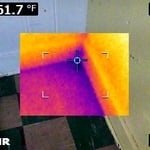
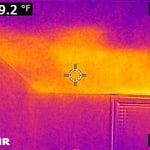
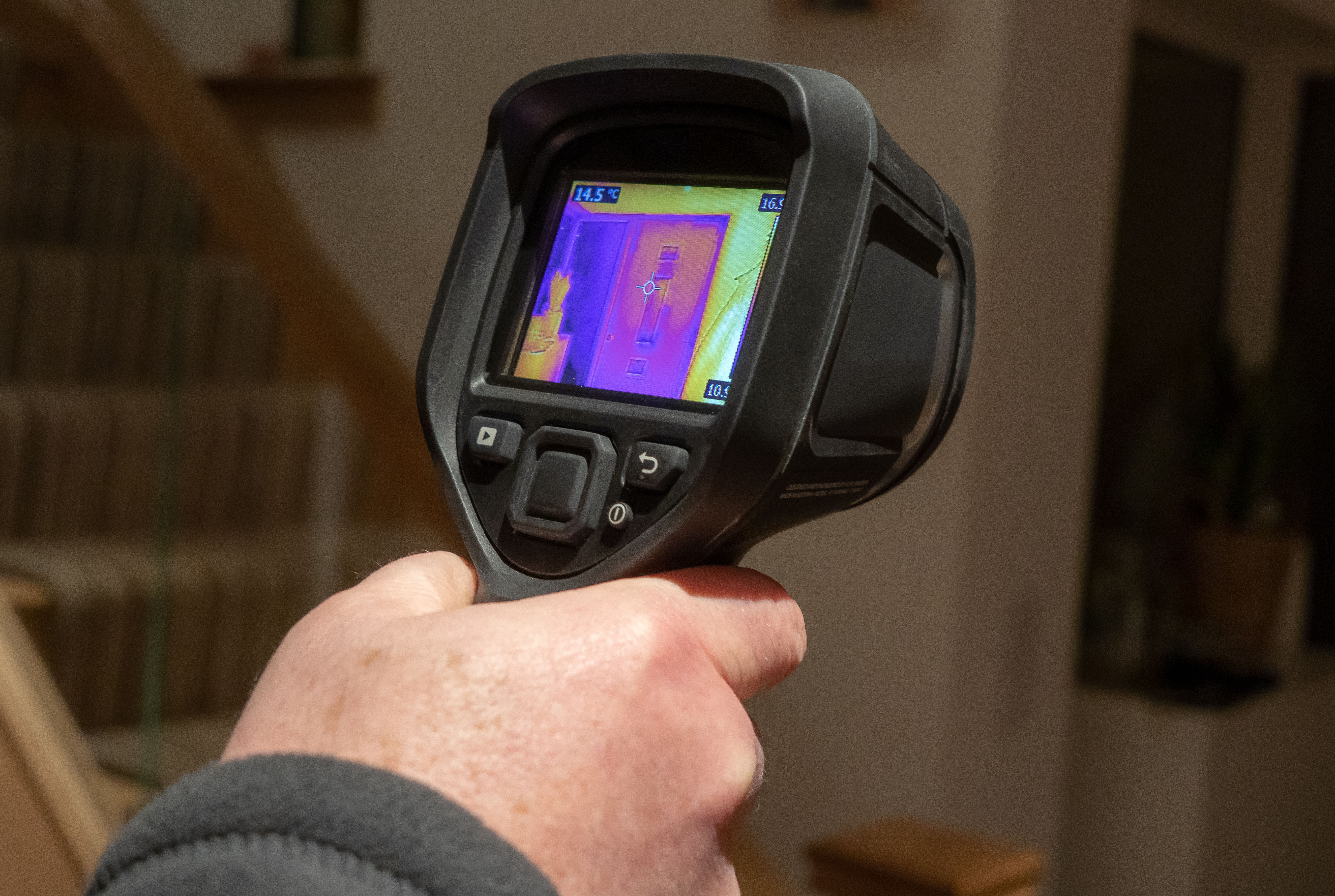
  • Infrared imaging: $200

Dehumidifiers typically use 300 to 700 watts of electricity per hour, whereas portable dehumidifiers use about 40 watts per hour. The exact amount of electricity your dehumidifier will generate depends on its capacity and energy efficiency. Generally, higher-capacity dehumidifiers generate more electricity than lower-capacity units, but they also usually have better energy efficiency over the long run.

String lights require electricity, but not an excessive amount, especially when compared to other lighting fixtures. LED rope lights, for instance, consume around one watt per foot. Running six or seven light strings simultaneously should only cost you around $10 to $15 each month. You can save even more money by remembering to turn off your lights during daylight hours. 

When combined with a substantial solar system, if you have enough Powerwalls, you could go off-grid and be energy independent. But remember, you'd need enough Powerwalls to power your whole home continuously because a single Powerwall can’t power large appliances for extended periods. One Powerwall is able to power an average-sized home's emergency circuits, lights, and outlets. To power large appliances, you likely need two or three Powerwalls.

The Thompson, ND homeowners’ guide to energy efficiency auditing services

From average costs to expert advice, get all the answers you need to get your job done.