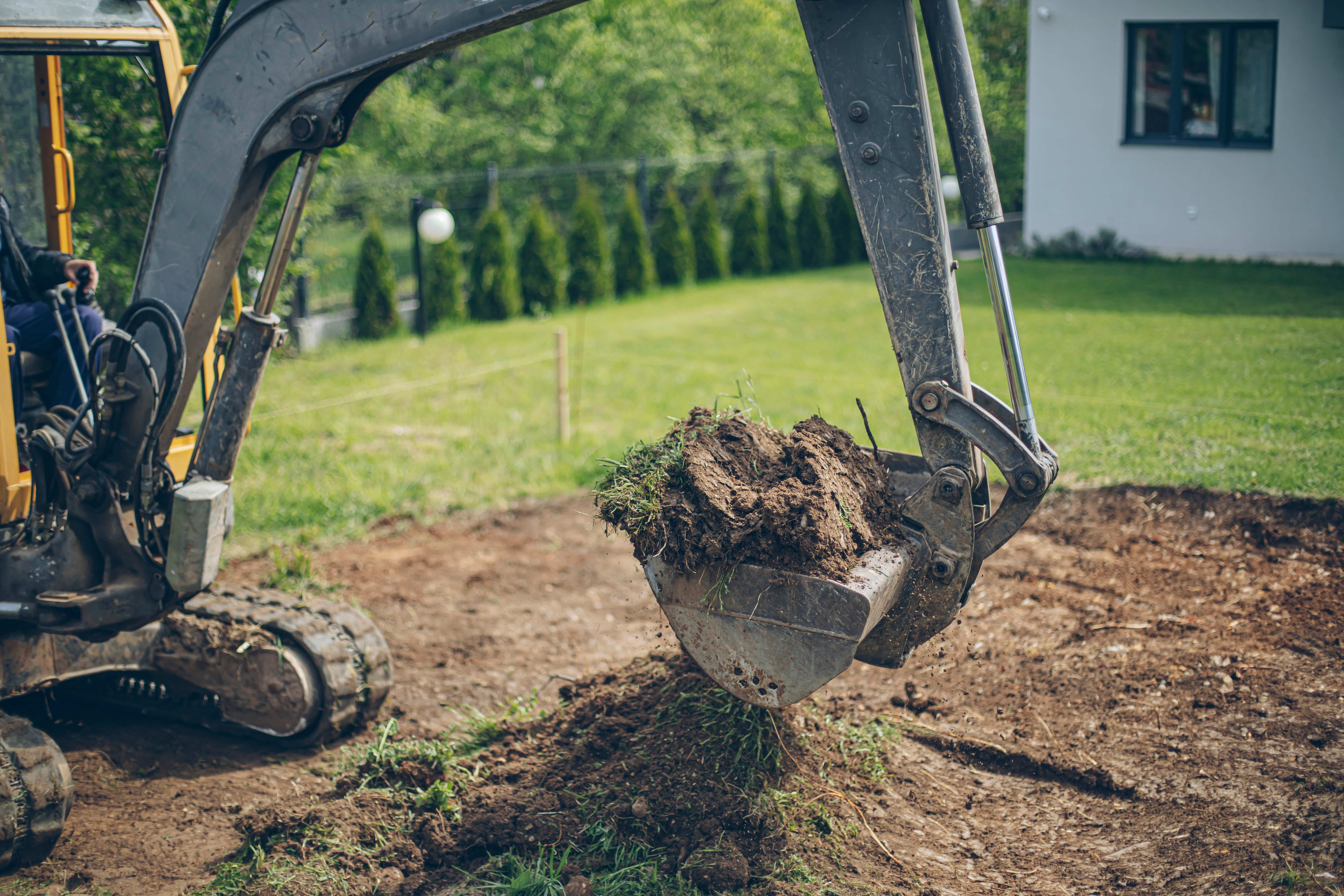
With over 70 years of experience, B & D Excavation & Underground, LLC, is your solution for all your excavating needs. We take great pride in our extreme professionalism, timeliness and superior customer service on every job. We make sure to develop a lasting relationship so that the next time service is needed there will be no question on who to call. Satisfaction guaranteed!
Volk Excavating is committed to excellence in every aspect of our business. We uphold a standard of integrity bound by fairness, honesty and personal responsibility. Our distinction is the quality of service we bring to our customers. Accurate knowledge of our trade combined with ability is what makes us true professionals. Above all, we are watchful of our customers interests, and make their concerns the basis of our business.
At CLM, we take tremendous pride in delivering a high-quality experience for each and every one of our clients. We offer a full range of contracting services including interior, exterior and property-related work. Call us today to learn how we can help turn your vision into a reality.
The average cost of excavation is approximately $3,200, with typical projects ranging from $500 to $15,000. Depending on the contractor, you may be charged between $50 and $200 per cubic yard or an hourly rate of $40 to $180 for an excavation specialist. The total cost is influenced by several factors, including the project size, the amount of soil to be removed, and the soil's condition. Hard soil, tree roots, or excessive rocks and clay can increase the price, potentially adding $200 to $1,200 to the final bill. Other factors that can drive up costs include the presence of nearby structures that complicate the work or tight spaces that require manual excavation instead of heavy machinery.
The best type of soil to build on is a mixture of sand and clay, known as loam soil. Loam soil has the best combination of these soil types to build a foundation on. The clay particles help with water retention, so it won’t erode like sandy soil might, and the sandy particles help with drainage, so you won’t see unsafe soil expansion or have an increased risk of leaks from water sitting against your foundation.
There are several different factors that influence how long it takes to excavate. For a foundation, it could take anywhere from three days to three weeks. It can take even longer if you face weather-related delays or an inaccessible site that’s riddled with boulders and rough terrain. It may also take longer if you have clay soil, which is more difficult to dig.
Errors in site preparation can lead to structural failures or appear costly midway. Professionals ensure detailed, reliable home base development layouts.
Yes, trenchers can go through gravel. Gravel is made up of smaller, softer rocks that certain trenchers are able to cut through. Just be sure to use a rock wheel trencher or chain trencher, both of which are made to cut through rocky landscapes and gravel pathways without dulling the teeth or chain.
The Rolla, ND homeowners’ guide to excavation services
From average costs to expert advice, get all the answers you need to get your job done.
Excavation costs $1,500 to $6,300 for most residential projects—but it depends on factors like the size of the area. This guide will help you plan a budget.
You can't have an in-ground pool without digging into the ground. How much does pool excavation cost, and can you take it on yourself? Our guide explains.
Picking the right pro can make or break your project. Learn how to hire an excavation pro with the qualifications and skillset to do the job efficiently.