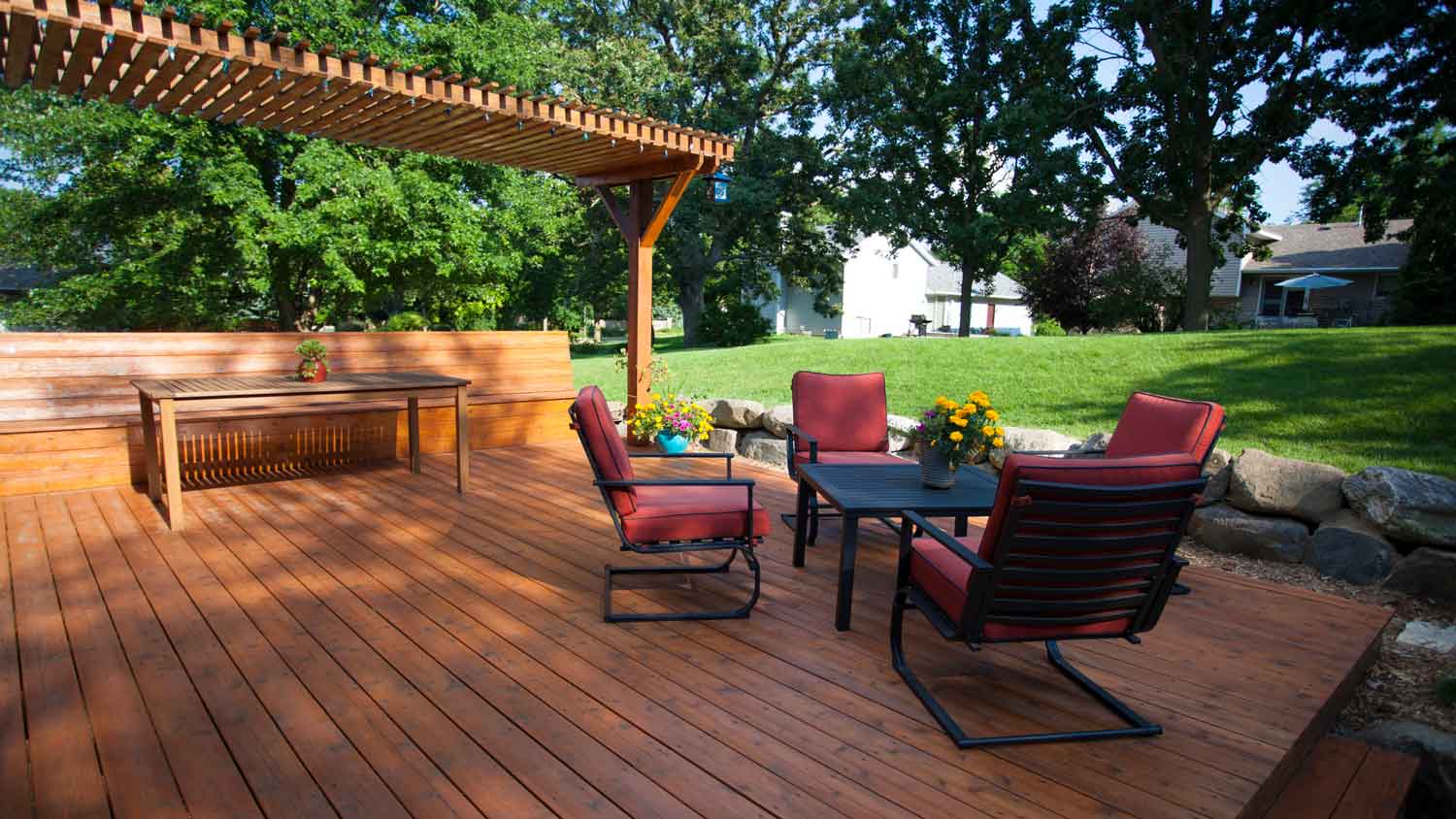
The most effective way to remove leaves is to blow them into piles and then bag them. This is faster and more efficient than raking, although it might not be a good idea to use a blower around delicate plants or mulched flower beds. You could leaf blow the bulk of your yard and then rake around garden beds for a quick and easy fall cleanup.
While tipping junk haulers is not required or expected, it is a greatly appreciated gesture for a job well done. Many junk removal companies state that tips are welcome but not mandatory. A good rule of thumb is to tip between 10% and 20% of the total bill, or a flat amount of $10 to $20 per worker. For exceptional service, a tip of $20 to $50 for the entire crew is also appropriate. It is often best to give cash directly to each worker at the end of the job.
Consider tipping if the crew:
Goes above and beyond your expectations.
Handles heavy, bulky items or navigates difficult spaces like tight hallways or stairs.
Works in inclement weather or deals with potentially hazardous materials.
Takes extra care to protect your home and property.
Accommodates a last-minute scheduling change.
There are several ways to decompose yard waste quickly. The first step is to move all debris into a compost bin or pile. From there, microorganisms, bacteria, and insects will break down the yard waste into compost. To speed things up, shred the waste into smaller pieces, add live worms to the pile, or introduce nitrogen-rich compost accelerators like grass clippings, coffee grounds, and manure. Turn the compost over every few days. This process, called aerating, allows oxygen to get in and accelerate decomposition.
No. Unfortunately, leaf removal is your responsibility, no matter what tree the leaves come from. It would be pretty hard to regulate leaves since they can be moved by the wind or water. Imagine the detective skills it would take to determine which tree each leaf came from and who was then liable for removing it. Instead, plan to remove any leaves on your property.
To remove old grass effectively, you typically need to dig to one to two inches. This depth typically allows you to reach the root system of the grass, ensuring thorough removal. However, if the grass is a particularly dense or deep-rooted variety (such as Bermuda grass), or if you're planning to replace it with a different landscaping feature, you may need to dig deeper to loosen the soil and remove any underlying roots.
The Richardton, ND homeowners’ guide to brush chipping services
From average costs to expert advice, get all the answers you need to get your job done.
The cost of a tar and chip driveway falls between gravel and asphalt. Is this unique process the happy medium you've been looking for? Let's take a look.
If your painted deck is less than appealing, it's time for a refresh. DIY your paint removal from your deck to enjoy your outdoor space for many seasons.
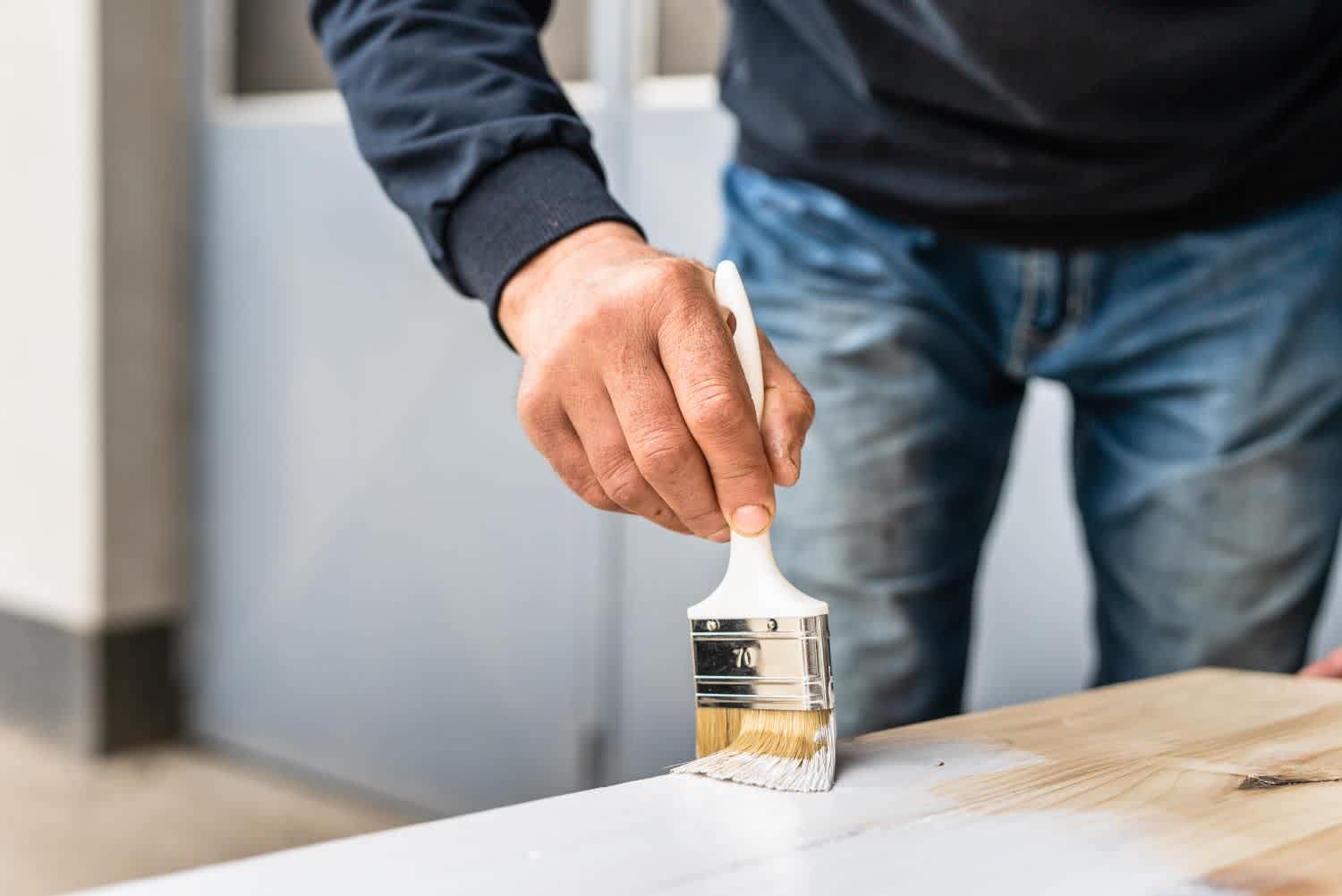
Cleaning the latex paint from your brushes is the easiest part of the entire painting process when you have the right tools and techniques. Find out how to clean your brushes like a professional painter with these three simple tips.