Top-rated animal removal specialists.

Best animal removal specialists near Mott, ND

Enter your zip and get matched with up to 5 pros

Need a pro for your animal removal project in Mott, ND?

Select your specific project to find the pro for you.

Top-Rated Animal removal specialists in Mott - Updated Nov 2026

No results for Animal removal specialist in

Try adjusting your search criteria.
Animal Removal FAQs, answered by experts

Foxes are primarily nocturnal, meaning you’re less likely to see one strutting onto your lawn in the middle of the day. However, daytime activity is more common if you have a female with her cubs on your property during the spring and summer. And you can see adaptable urban foxes at any time when regular food is available.

The cost to hire an exterminator or pest control service is $175 on average, with typical costs ranging from $100 to $500. However, you could spend more depending on several factors, including the type of pest, the size and severity of the infestation, and the number of visits required.

Service costs also vary by frequency:

• One-time service: $300–$550

• Initial visit with ongoing service: $150–$300

• Monthly visits: $40–$70

• Quarterly visits: $100–$300

• Annual visits: $300–$550

The type of pest significantly impacts the price. For example, exterminating spiders typically costs between $100 and $300, while a termite problem can range from $230 to $2,500 or more, depending on the extent of the damage. Routine pest control services can help prevent future infestations and costly damage to your home.

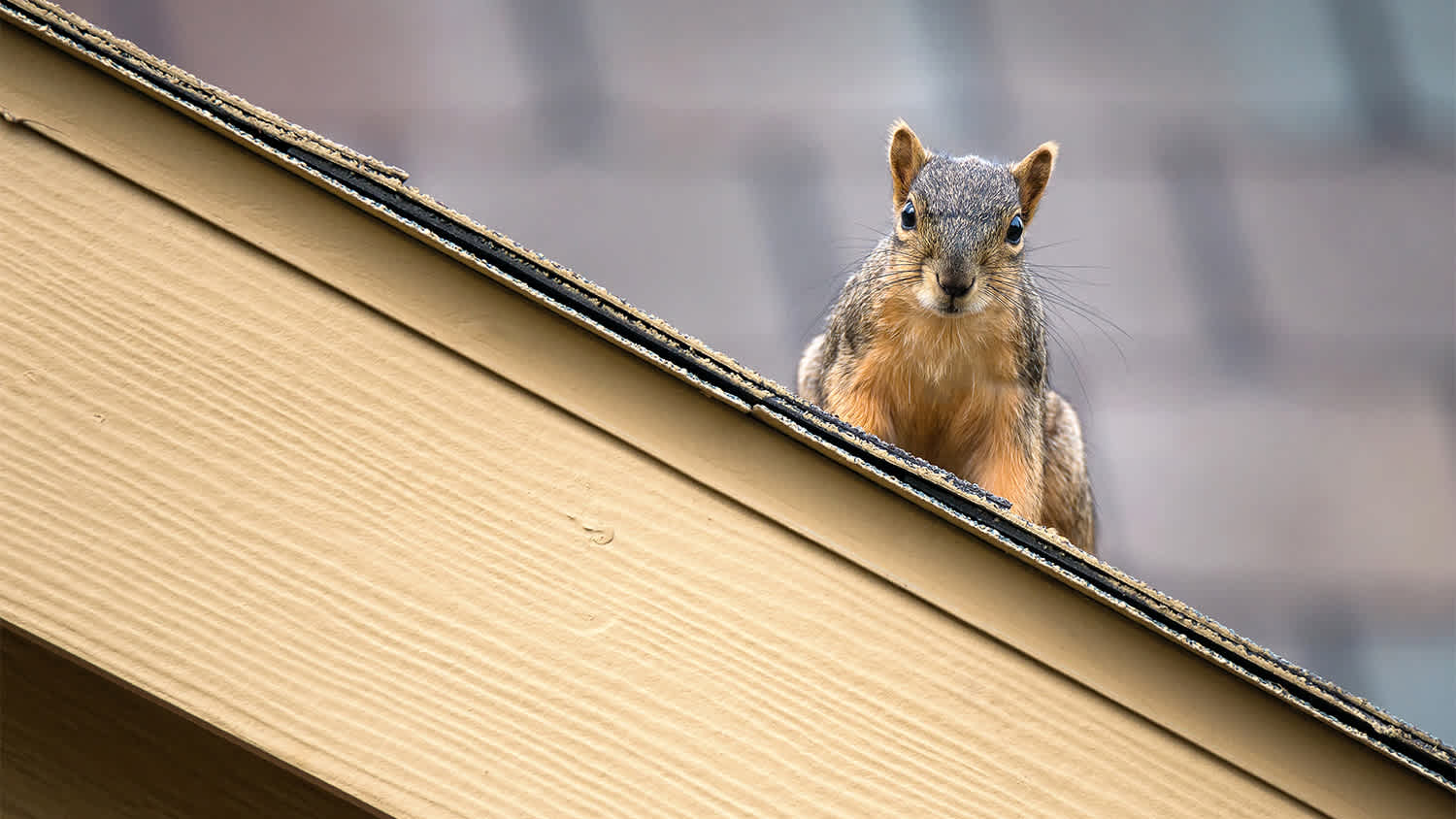
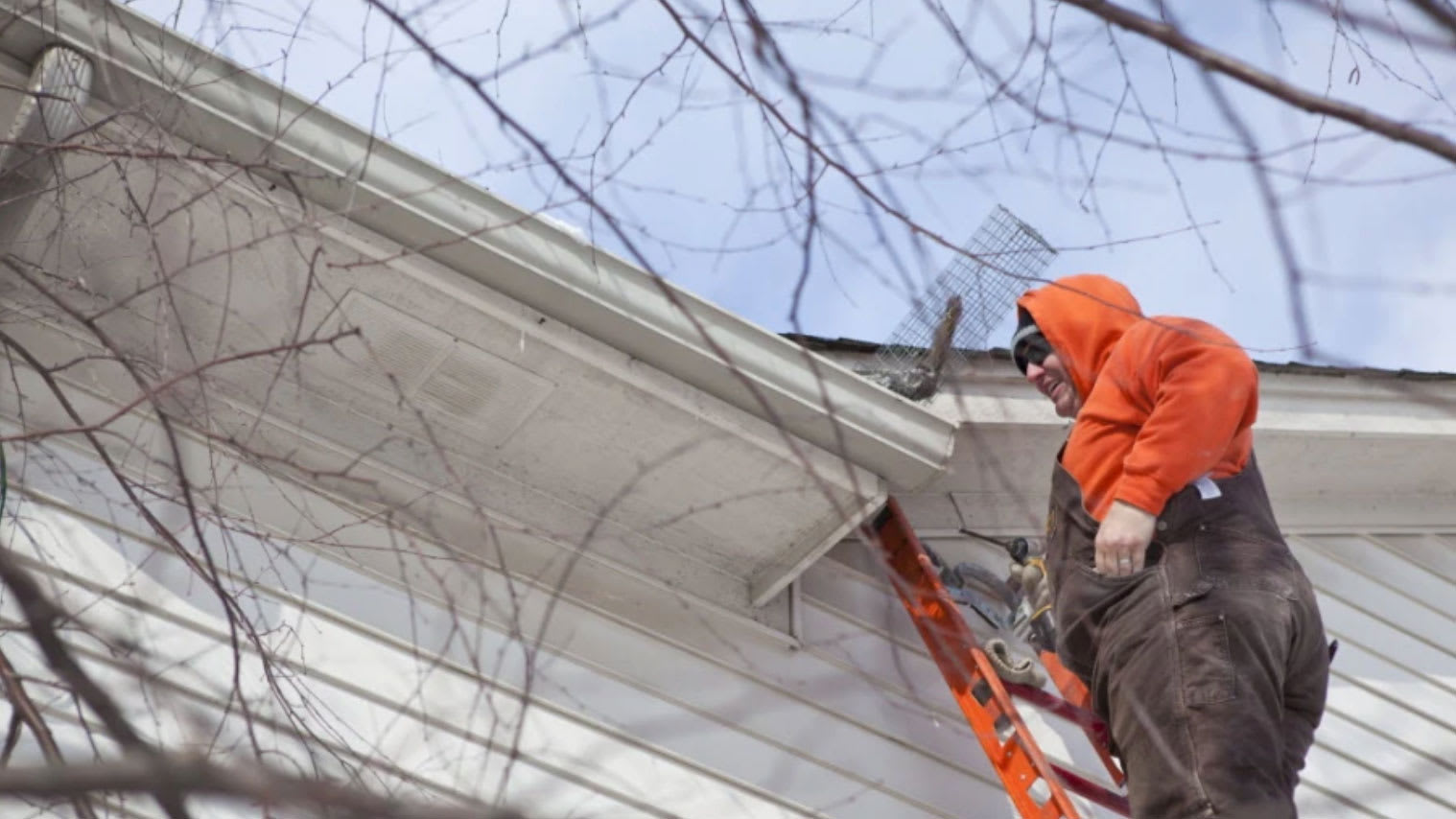
Squirrels tend to forage, traveling along roof and fence lines. To trap a squirrel, placing a baited trap on the roof near the point of entry is the best option. If you can see them going in and out or recognize the damage they might be causing to the exterior of your home, you can also try placing traps near those locations.

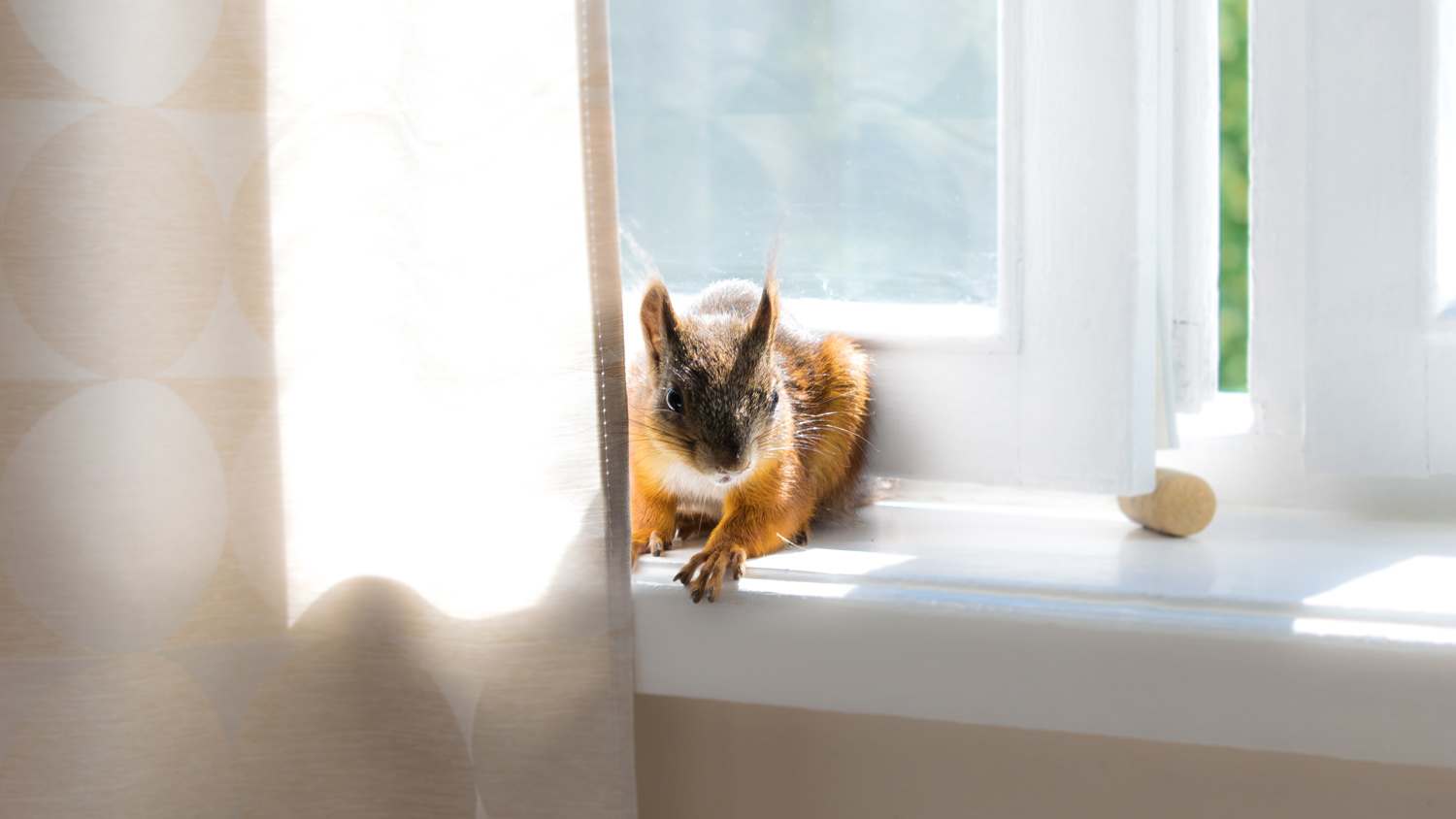
If squirrels set up a home in your attic, they can cause considerable damage. It’s not uncommon for them to chew holes in your roof, siding, or joists, and they can eat through electrical wiring. They might also travel to other parts of your home or into your wall cavities. Not to mention all that bacteria-filled feces and urine they spread around. 

If the cat is stray (you noticed a collar or other signs of domestication), the kind thing to do is to try and find the owner. Call around to other neighbors to see if they can lead you in the right direction. If you can get close enough to snap a picture, try posting an image of the cat to local community groups and pages on social media. 

If the cat is feral, you can try to humanely trap them and participate in a local shelter’s TNR program. Before attempting capture, call around to local rescues and shelters to make sure one near you does participate in a TNR program. They may even be able to catch the cat for you.

The Mott, ND homeowners’ guide to animal removal services

From average costs to expert advice, get all the answers you need to get your job done.