"Very punctual and professional. Got the job done in no time flat with good results. No more bugs and I couldn't believe how much stuff he got out of our dryer ducts!"
I take pride in my quality craftsmanship. We are owner operated, and believe in building long-term relationships with our clients by delivering honesty along with exceptional work. We pride our company on reliability, great communication, integrity, and customer service. We are experts in our trade and will do our best to keep you as educated as we can on your particular project. Give us a call today! We look forward to working with you!
We pride our company on reliability, great communication, integrity, and quality work. We are experts in our trade and will do our best to keep you as educated as we can on your particular task or project. We look forward to earning your business! Book with us online or feel free to give us a call today!
\n
You have two different types of air vents in your home: supply and return air vents. Your supply air vents are responsible for pushing air into your home. Meanwhile, return air vents draw warmer air back into the ductwork to condition it by removing the warm molecules from it. Both types of vents are necessary to a working HVAC system and a comfortable home.
Dryers pull in air from a circular opening in the back of the dryer. The dryer's heating element heats the air, and a blower fan circulates the hot air through the drum. The hot air travels outside the dryer through a vent or is cooled by a heat exchanger that condenses the steam into water and sends it down a drainpipe or to a containment compartment.
While a professional can always help, there are some common plumbing culprits you can check yourself to see if you can find the sewer gas smell. For example, you should check your water traps, sometimes called P-traps and S-traps, which are located under sink, shower, and laundry drains. The wax ring beneath the base of your toilet, which creates a watertight seal with the plumbing, could also have gone bad.
If you're dealing with an odor in your dryer that transfers onto your clothes and linens, here's what you can do: start by cleaning the lint trap and drum with warm soapy water. Then wipe down the interior using a mixture of equal parts water and white vinegar to eliminate any lingering odors.
To get rid of odors you can try this method: take a cloth soaked in vinegar and put it inside the dryer. Run the dryer on a heat setting for 15 minutes. Afterward, make sure to dry the drum by running it with some towels. This technique helps eliminate any smells and leaves your dryer smelling nice and fresh.
If the odors remain, you may need to sanitize your dryer or call in a professional house cleaner to handle the job.
Yes, mold can grow in a wet dryer vent. Mold is a type of fungi, and fungi thrive in warm, moist conditions. Dryer vents need to be aired out so heat can escape and moisture can dry. If your dryer vents aren’t properly vented, the trapped heat and moisture will cause mold to grow, and the mold can spread to the dryer and even your clothes. Not only can this leave a musty smell on your freshly laundered clothes, but—more importantly—it also poses a health risk.
The Elgin, ND homeowners’ guide to dryer vent cleaning services
From average costs to expert advice, get all the answers you need to get your job done.
A dryer vent cleaning cost averages about $140 when done by a professional. Read our tips to understand the key cost factors involved in dryer vent cleaning.
When your dryer is leaving wet or overly hot clothing, it might be time to get your dryer vents cleaned by a professional. Learn more about this and other signs you need a dryer vent cleaning, like a hot laundry room or broken vent hood.
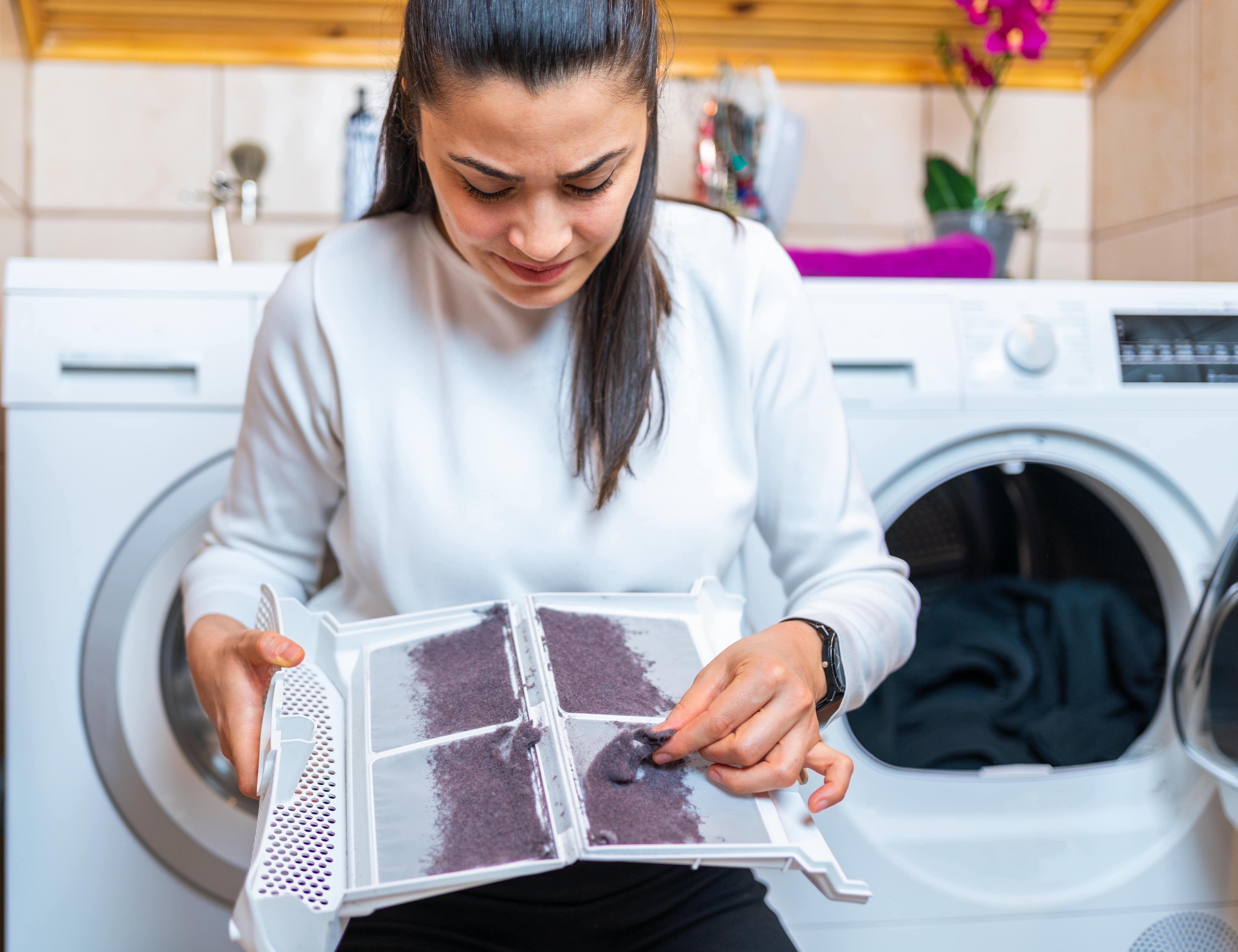
You might not think much of lint, but it’s actually a major fire hazard. Running your own dryer and dryer vent inspection can help you spot dangerous buildup.
Regular dryer vent cleaning is essential to keeping your dryer running safely and efficiently. But when it comes to dryer vent cleaning, is it better to hire a pro or DIY?