


Top-rated sewer cleaners.

Get matched with top sewer cleaners in Center, ND

Enter your zip and get matched with up to 5 pros

Need a pro for your sewer cleaning project in Center, ND?

Select your specific project to find the pro for you.

Find Sewer cleaners in Center

Sewer Cleaning questions, answered by experts

Yes, sewage smells can originate from a floor drain. If the P-Trap in the floor drain dries out or if there's a clog or other issue in the plumbing system, sewer gasses can escape through the drain, causing nasty odors. Regularly pouring water into the drain helps maintain the water seal and prevent those smells, but if the smell persists, you should have a plumbing professional inspect the drain for potential problems.

Cat pee has a strong ammonia-like smell, so if you smell cat pee but don’t have a cat or don’t suspect your cat has any accidents, there could be other issues at hand. Aside from pet urine, your house may smell like cat pee from leaking freon from an old fridge, mold, spilled cleaning supplies, or even outside odors from nearby farms.

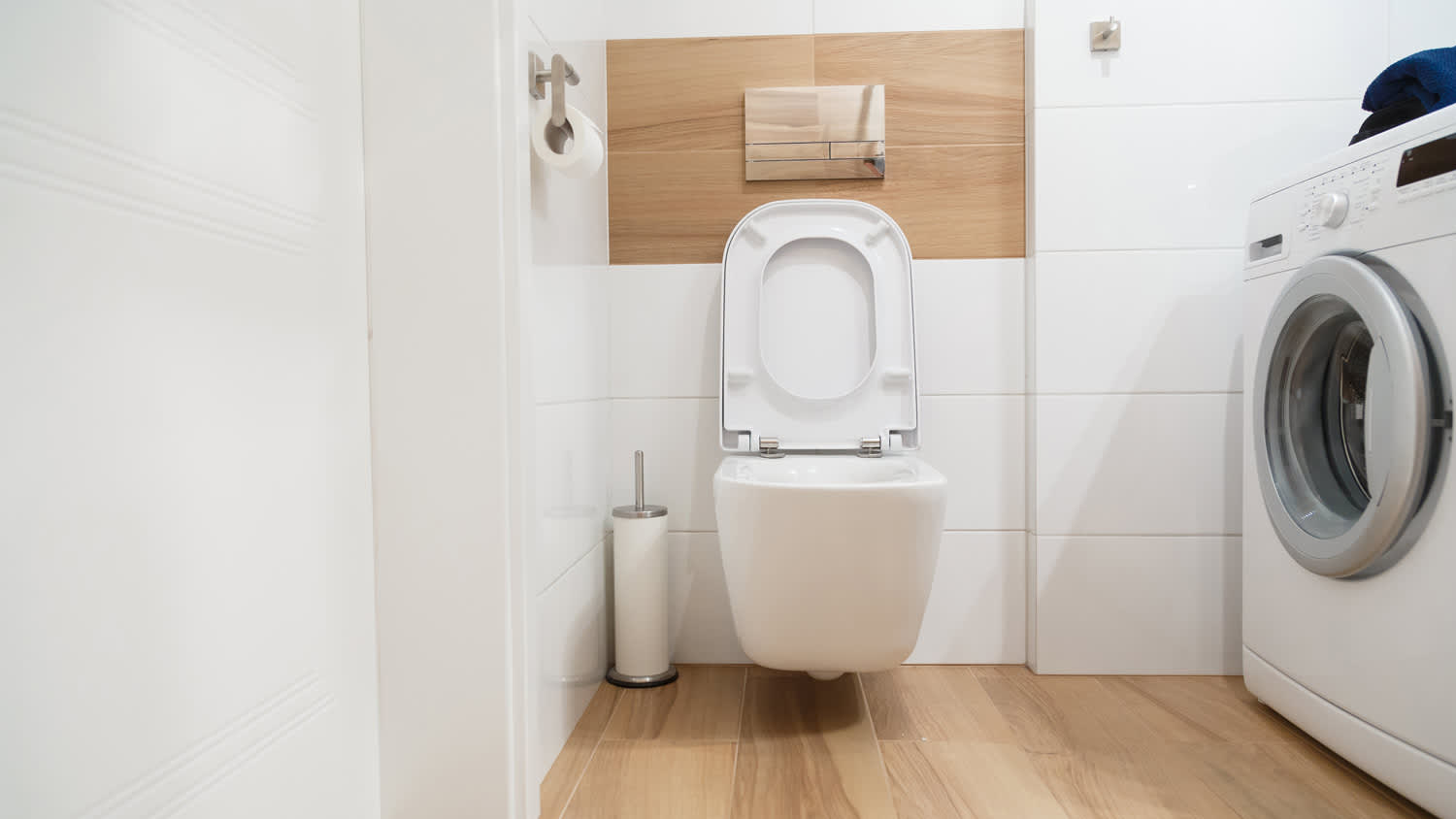
If you’re wondering whether rats can come up the toilet, the unfortunate answer is yes, it’s possible, though it’s extremely rare. These rodents are excellent swimmers and can travel through sewer pipes in search of food, and they may follow plumbing lines leading to your home if they’re drawn by the scent of scraps and waste. The toilet’s U-bend holds a small pocket of air, which can help a rat catch its breath before making its final push into your bathroom. While more common in cities with larger rat populations, this can happen anywhere with connected sewer systems; sealing entry points and keeping drains clean can help reduce the risk.

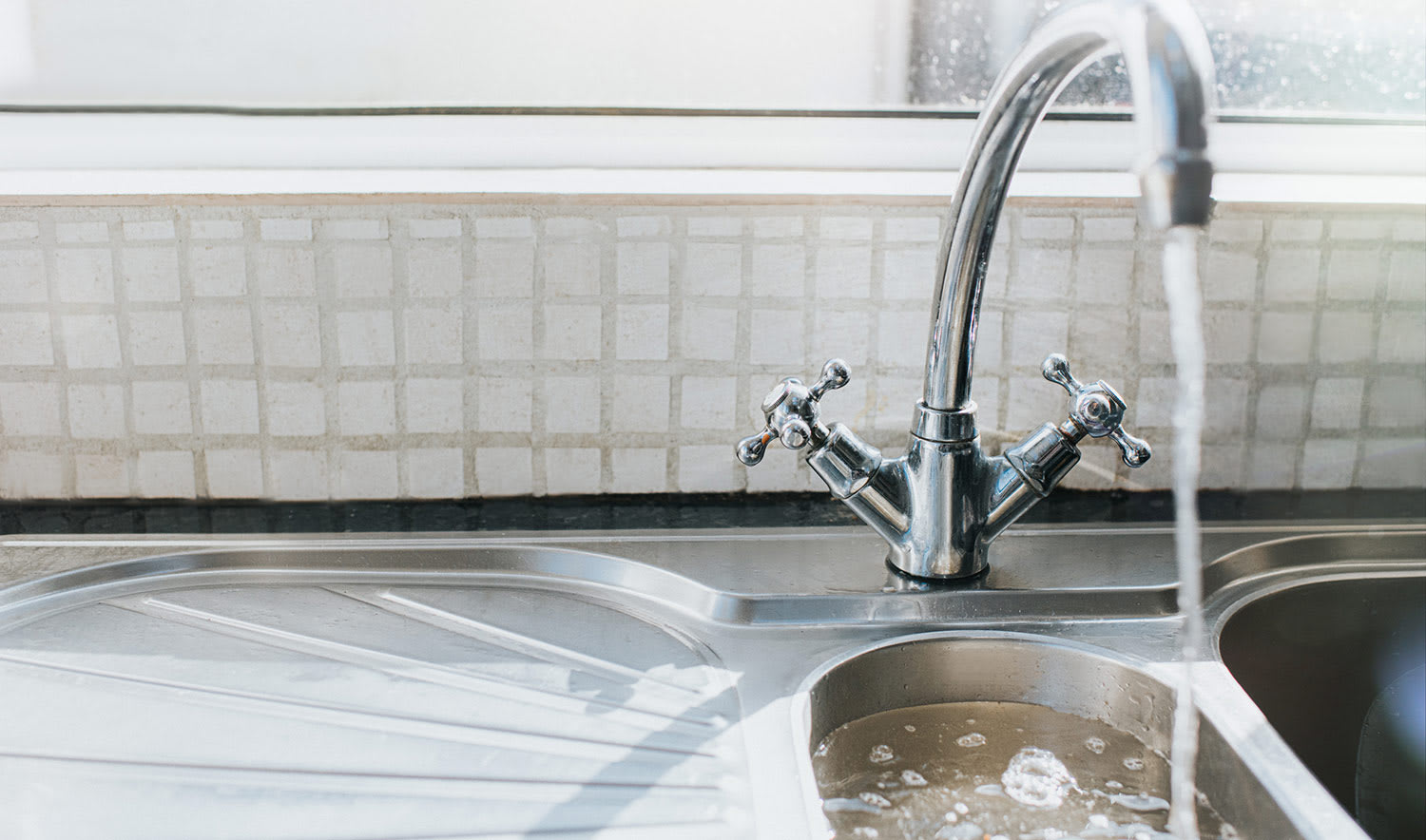
Your sewer line can get grimy quickly. To prevent sludge buildup in your sewer line, pour a mixture of 1/3 cup of vinegar and 1/3 cup of baking soda down each drain in your home once a month. After about 30 minutes, flush the drain with hot water.

Some plumbers recommend 3/4 cup of bleach instead to clean any germs and bacteria that may build up in your sewer line. But this won’t break down any active clogs, and it cannot be combined with vinegar, as the mixture will create a toxic, hazardous gas.

In most areas, drain cleaning professionals don’t technically need a license, as they aren’t altering your plumbing system in any way. However, we recommend hiring a drain cleaning professional with a plumbing license and certification. Certified plumbers are more likely to provide professional solutions to drain clogs without damaging your system. They’ll also have the diagnostic tools and experience necessary to remove the clog entirely rather than providing a temporary solution, as a handyperson might. Use Angi’s state licensing tool to check your plumber’s professional licenses before hiring.

The Center, ND homeowners’ guide to sewer cleaning services

From average costs to expert advice, get all the answers you need to get your job done.