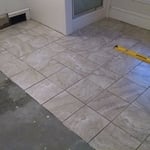
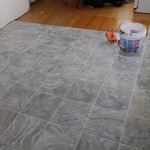
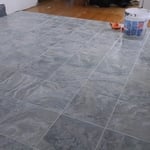
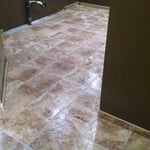
"Very conscientious and personable. He doesn't charge you by the hour so you get good value for your money. He is an excellent installer and I give him a 5 star rating."
701 Tile Setters specializes in any and all tile work. We handle both residential and commercial, working with both stone and granite. We look forward to earning your business!
At Shaina Rutherford Flooring & Design, we are your premier choice for all your tile work. We have provided high quality work and friendly customer service with several years experience. Call today!
Granite Restoration questions, answered by experts
If you notice dull spots on your marble floor, that could result from etching. If you’ve used the wrong type of floor cleaner in the past or left a spill unattended for too long, your marble floor may have suffered some surface damage. While there are ways to protect your natural stone from etching, you may have to call in a professional for repairs.
There are a few ways to remove calcium buildup in your pipes, but the most natural option involves vinegar, baking soda, and boiling water. To use this method, pour 1/2 cup of vinegar down the drain you're trying to clear, then follow it up with 1/2 cup of baking soda. Place a rag over the drain to create a light seal and leave it for 30 minutes. Remove the rag, then pour a pot of boiling water into the drain. After the water drains, wipe everything down with a sponge.
Granite is naturally water-resistant and suitable for kitchens, bathrooms, and entryways. However, proper sealing and maintenance are essential to prevent staining or water damage, especially in areas prone to frequent spills or high humidity. Choosing the proper sealant and reapplying it regularly will help maintain the floor’s durability and appearance in these environments.
In many cases, it’s worth it to restore stone. Stone restoration generally costs less than replacing the stone entirely, helping to save on the cost of your project while still giving your home’s stone a polished appearance. However, if your stone is very cracked or crumbling to the point of compromising the structural integrity of your home, you may want to consider replacing it. Stone flooring costs range from $6 to $20 per square foot on average.
The time required for stone restoration or polishing can range from a few hours to several days. Most standard jobs are completed in 4-8 hours. The final duration depends on factors like the size of the area, the condition of the stone, and accessibility. Larger areas or surfaces with heavy damage may require multiple sessions to complete.
The Cando, ND homeowners’ guide to granite restoration services
From average costs to expert advice, get all the answers you need to get your job done.
Granite countertops last 15 to 100 years based on usage and maintenance. Here’s how long your granite countertops will last and ways to increase their lifespan.