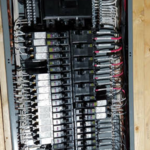
"Aaron the owner came out on a weekend too do a wiring inspection on a house my wife and I just moved into. I made several calls trying too find an electrician and in a timely manner. Several tried to upcharge (and didnâ t know I am a licensed contractor in the state I just moved from. ) He provided not only honest answers but a fair affordable price that I can safely feel confident calling again for any further electrical needs"
With years of experience serving the Dickinson area, we are your solution for all your electrical needs. We take great pride in our extreme professionalism, timeliness and superior customer service on every job. We make sure to develop a lasting relationship so that the next time service is needed there will be no question on who to call. Check out our 5 star reviews from happy customers! Call us today so we can discuss your needs and make a plan that fits your budget. Satisfaction guaranteed!
We bring over thirty years of experience to the construction industry. We take great pride in the quality of our work and guarantee customer satisfaction. We specialize in home repair and maintenance for both residential and commercial properties, and no job is too big or too small.
We pride our company on reliability, great communication,\nintegrity, and quality work. We are experts in our trade and will do our best\nto keep you as educated as we can on your particular task or project. We look\nforward to earning your business!\n
Yes, natural gas generators can work without electricity. Natural gas generators are a common type of backup or whole-house generator that operates when the electrical grid isn’t working. The trick is using a transfer switch (which usually needs to be installed with the generator) that safely switches the home electrical system from the power grid to generator power when needed.
A portable generator can supply power to selected appliances and circuits in a home, but it's generally not designed to handle the entire household's electrical needs simultaneously. Portable generators have limited wattage capacity, so they are only designed to power essential devices and electronics temporarily until local power is restored. If your power needs outweigh the capabilities of a portable generator, consider installing a whole-home generator instead.
Generators are usually sized by running watts and starting watts. Ideally, you’ll want a generator that can offer both the necessary running watts and starting watts for everything you need to power without going beyond 90% of its capacity. Calculate your home’s electrical load based on the breakers in your home or adding up the appliance and lighting needs of connected rooms.
In many cases, yes. There are models called dual-fuel generators and fuel switches, but only between certain types of fuel. For example, with the right setup you can convert a generator from natural gas to propane. Some allow switching between diesel and gasoline. There are even tri-fuel generators available in some cases, which adds a large layer of security if you are worried about fuel availability in times of crisis. Always check your generator capabilities and manual instructions before trying to switch fuels. Some generators can use another fuel but may need a fuel conversion kit to prep them first.
You may need a permit for a portable generator if you’ll be installing a transfer switch for your primary residence or similar work. Otherwise, a permit for other uses may not be necessary. Check your local building codes or ask a local generator installer for more information about your local regulations.
The Cando, ND homeowners’ guide to generator installs
From average costs to expert advice, get all the answers you need to get your job done.
Natural gas generators are whole-home standby generators that are connected to your home’s natural gas line. The average cost for a natural gas generator is $12,000.
Generators should give you peace of mind, but you’ll only get that if your installer knows what they’re doing. Learn how to hire a pro and what red flags to look for.
Thinking about a generator installation? Learn about backup power options, costs to expect, and how to hire the right local pro to keep your home running.