






Top-rated lead testing and removal specialists.

Get matched with top lead testing and removal specialists in Seagrove, NC

Enter your zip and get matched with up to 5 pros

Need a pro for your lead testing and removal project in Seagrove, NC?

Select your specific project to find the pro for you.

Find Lead testing and removal specialists in Seagrove

Avatar for Enviro Assessments East, Inc.
Enviro Assessments East, Inc.
4.8(
10
)

Serving Seagrove, NC and surrounding areas

In business since 2000

Emergency services offered

"Kept the appointment, provided information regarding what the evaluation include and estimated cost up front. Explained the procedure for Asbestos sample collection and testing. Timely sent report via email."
Pre-Abatement
Floor Tile and Mastic
Transite House Removal
Theatre Removal

+5

Response time1 day
Recommended by100%of homeowners

Avatar for SKM Environmental
SKM Environmental
New to Angi

Serving Seagrove, NC and surrounding areas

Free estimates

Small jobs welcome

Credit card accepted

Here at SKM Environmental we understand the extreme health risks asbestos and lead can cause to you and your loved ones. Which is why we take pride in the services we provide to not only ensure that your home or business is restored to a safe environment, but give you peace of mind. we care about our community and your well being which is why we are completely EPA and OSHA compliant. If you or your business are about to undergo new renovations or have suffered a fire or water loss and you have questions about asbestos testing please don't hesitate. CALL NOW! our professional team members will be honored to assist you and your needs. Our team works quickly and efficiently will following state and federal guidelines to ensure not only your safety but the safety of others. Let SKM Environmental be your go to for all your testing and abatement needs. God bless!

Lead Testing and Removal questions, answered by experts

According to the Environmental Protection Agency (EPA), hazardous waste is generally classified into four main categories:

1. Characteristic Wastes: These exhibit at least one of four hazardous traits: ignitability (flammable, like gasoline), corrosivity (can rust or decompose materials, like car batteries), reactivity (unstable and can explode, like aerosol cans), or toxicity (harmful when ingested, like lead-based paint).

2. Listed Wastes: These are specific wastes from manufacturing and industrial processes that the EPA has officially designated as hazardous. They include byproducts from processes that use solvents, pesticides, and other chemicals.

3. Universal Wastes: These are commonly generated hazardous items that are subject to streamlined regulations. Examples include batteries, pesticides, mercury-containing equipment (e.g., bulbs), and some lamps.

4. Mixed Wastes: This category includes waste that contains both hazardous and radioactive components, making it subject to regulation by both the EPA and the Nuclear Regulatory Commission.

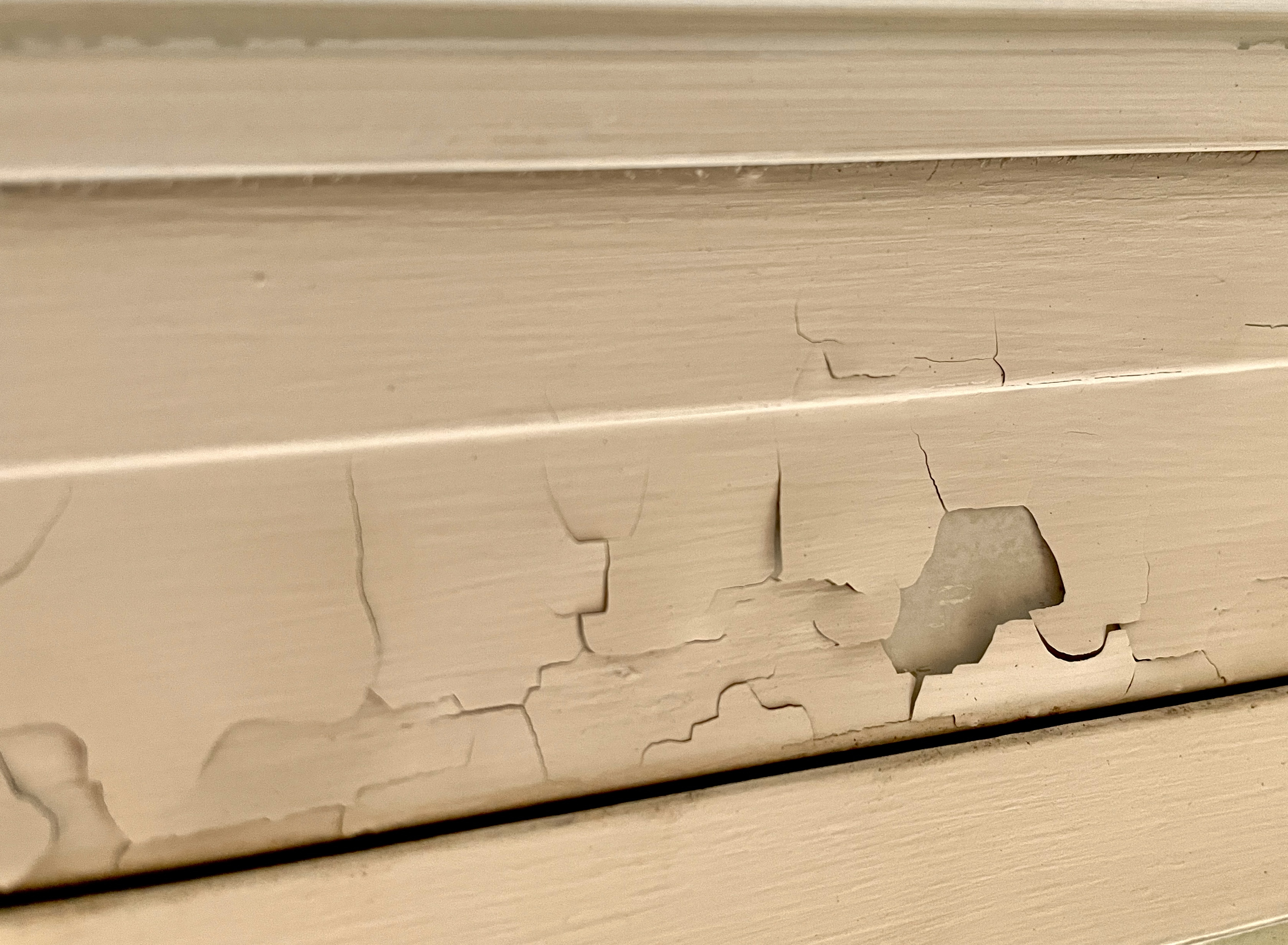
Lead toxicity comes from inhaling lead or consuming it. Before the 1980s, when the government banned lead from consumer use, it could be found in paint, plumbing, pipes, ceramics, and even gasoline. Lead paint is toxic for the same reason lead itself is toxic, which is why lead poisoning from paint presents the same as lead poisoning from water or food sources, with a slight increase in respiratory symptoms vs. digestive symptoms. Lead paint is most dangerous when it’s old and peeling, cracking, or otherwise disturbed. This increases the concentration in the air and, therefore, in breathable air. 

According to the EPA, there is no safe level of lead in the blood, and so the maximum contaminant level goal (MCLG) for lead in water is zero. Even at low levels, lead is harmful to human health. It can also remain in the body and build up over time with repeated exposure.

Several different measurements may be used to determine the amount of lead in water. The most common unit of measurement is micrograms per liter (µg/L), which is the same as parts per billion. Another measurement is milligrams per liter (mg/L), which is the same as parts per million.

Some causes of brown well water—like excess tannins or dissolved iron—don’t pose a health risk. In other cases, harmful bacteria might be the culprit. If your well water has suddenly turned brown, it’s a good idea to use a home water test kit to get a better sense of what’s going on with your water. Consider calling a professional for an expert opinion before drinking the water and hoping for the best.

The Seagrove, NC homeowners’ guide to lead testing and removal services

From average costs to expert advice, get all the answers you need to get your job done.