


Top-rated tree service pros.

Best tree service pros near Nashville, NC

Enter your zip and get matched with up to 5 pros

Need a pro for your tree service project in Nashville, NC?

Select your specific project to find the pro for you.

TRUSTED BY NASHVILLE, NC HOMEOWNERS

  • Average homeowner rating star icon4.4
    Average homeowner rating
  • Verified reviews icon168
    Verified tree services reviews

Top-Rated Tree service pros in Nashville - Updated Nov 2026

Avatar for DC Tree Cutting and Land Service
DC Tree Cutting and Land Service
5.0(
5
)
Tree Removal - For Business

Serving Nashville, NC and surrounding areas

Approved

In business since 2018

Free estimates

Emergency services offered

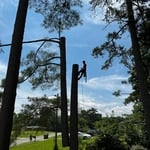
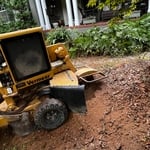
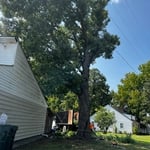
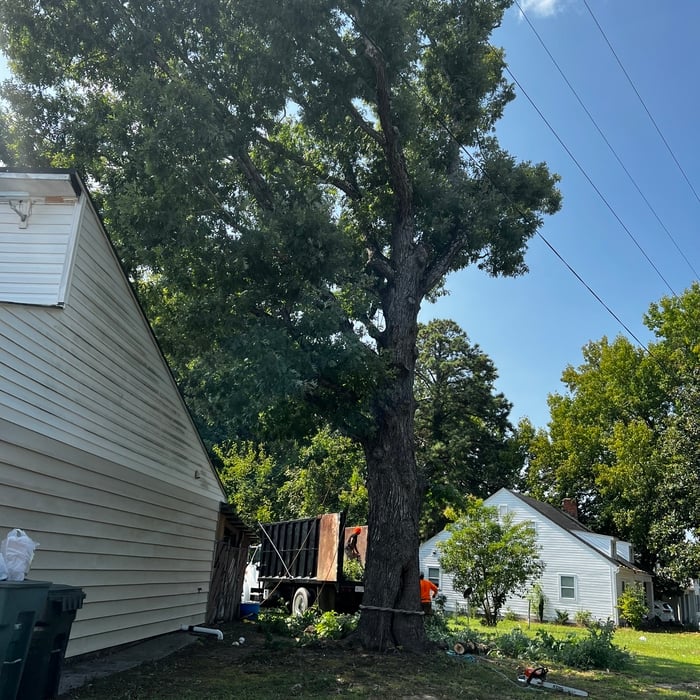
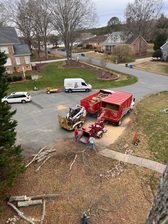
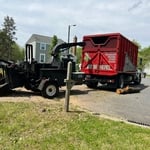
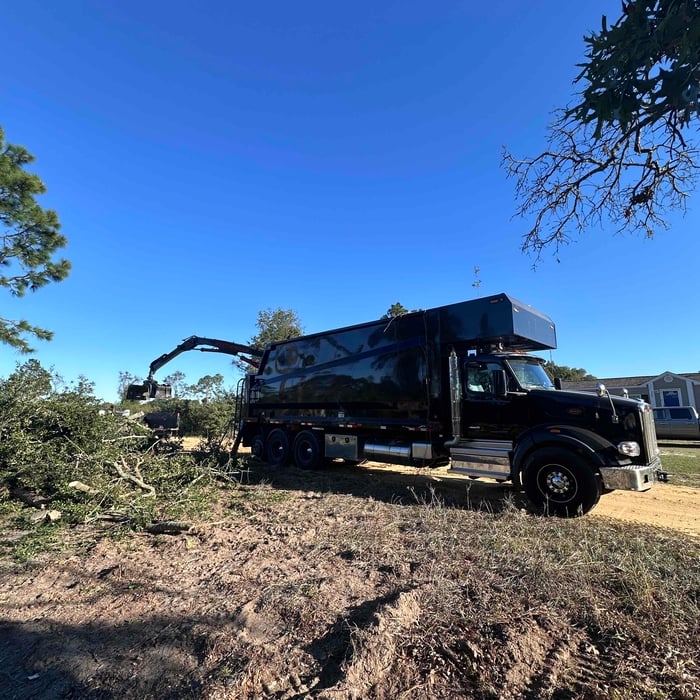
With over 10 years of experience in the tree service industry, we are the experts you need to take care of your property. We large tree removal, land clearing, stump grinding and inert debris disposal. \n We will treat your home as we would treat our own. Give DC Tree Cutting a call today, we look forward to working with you!

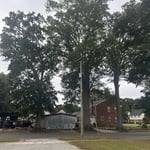
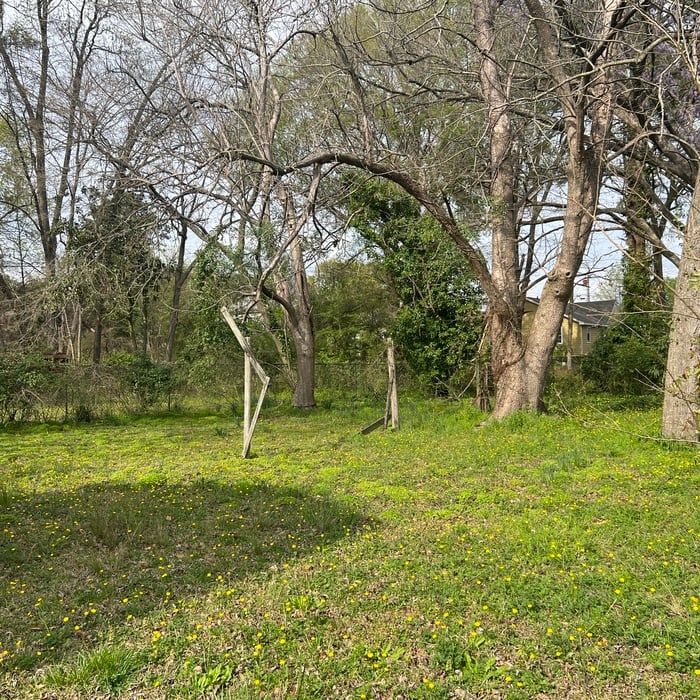
Before tree removal
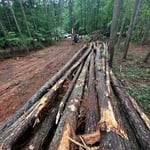
Lot clearing
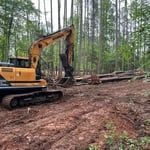
Land Clearing
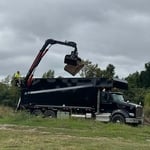
Grapple truck pickup

+2

Response time3 hrs
Response rate100%
1 neighbors recently requested a quote
Avatar for Moore Excavating Service & Land Clearing, LLC
Moore Excavating Service & Land Clearing, LLC
5.0(
7
)
Tree Stump - RemoveTree Stump - Remove - For Business

Serving Nashville, NC and surrounding areas

Approved

In business since 2019

Free estimates

Small jobs welcome

"Job was done quickly, and the crew clean up . In addition the Service removed a few trees as well. Friendly and professional. I would definitely recommend this Service Company."
Property roof/foundation/storage
Property roof/foundation
Property roof/foundation removal
Tree removal

+12

Response time2 days
3 neighbors recently requested a quote
Recommended by100%of homeowners
Avatar for Sanchez Tree Service
Sanchez Tree Service
5.0(
1
)
Tree RemovalTree TrimmingTree Stump - Remove+3 more

Serving Nashville, NC and surrounding areas

Approved

In business since 2014

Free estimates

Small jobs welcome

At our company, we take immense pride in our wealth of experience, expertise, and the exceptional customer service we offer to meet our clients' needs. Our mission is to consistently deliver outstanding design work and drawings, from project initiation to completion. We place great emphasis on understanding and exceeding our customers' needs and expectations, ensuring that every interaction is conducted with the utmost professionalism. Our reputation is founded on top-notch service and quality, irrespective of the size of the project. Get in touch with us today!

Response time1 day
Response rate90%
12 neighbors recently requested a quote
...
Showing 1-10 of 123
Tree Service FAQs, answered by experts

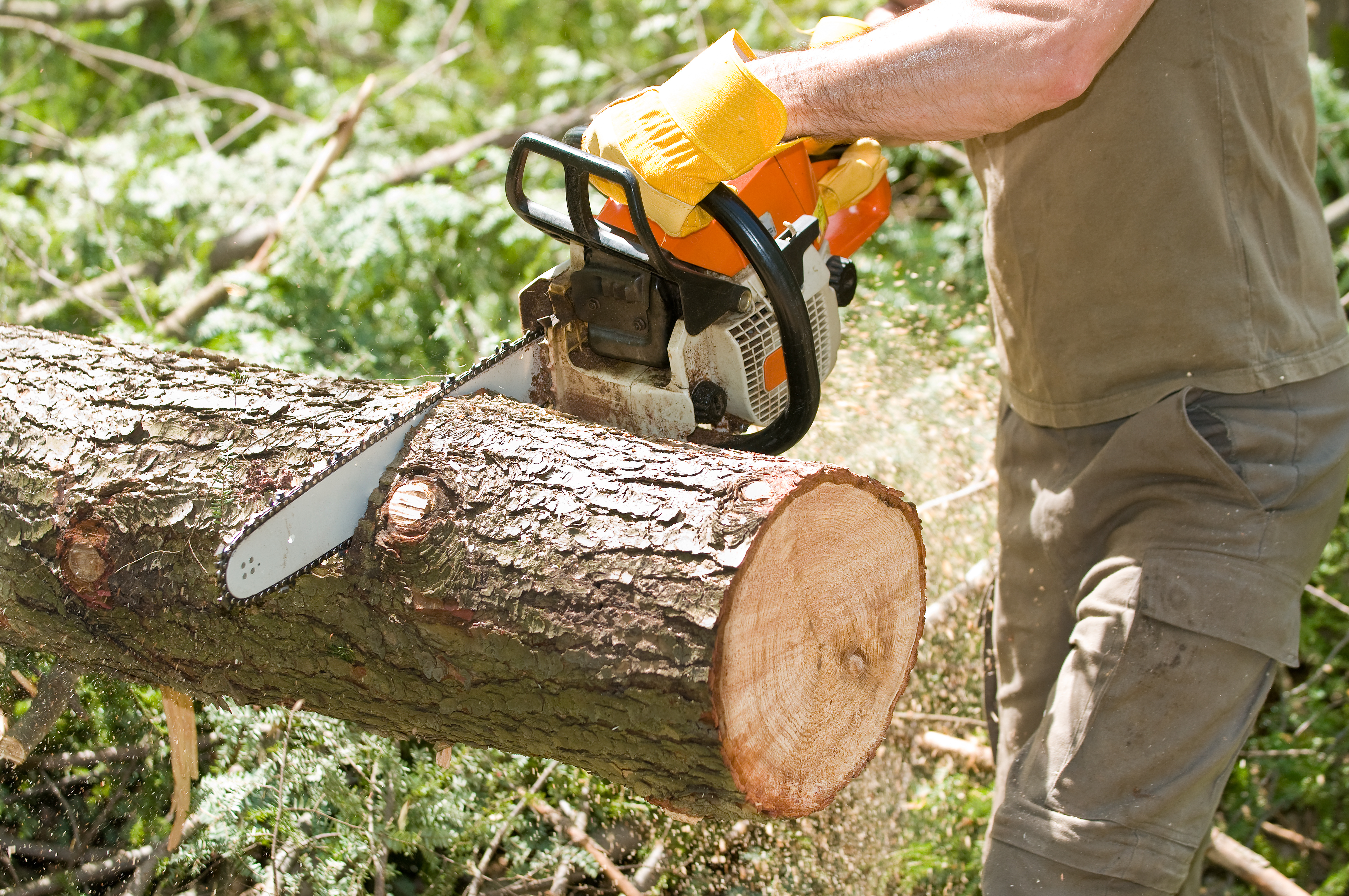
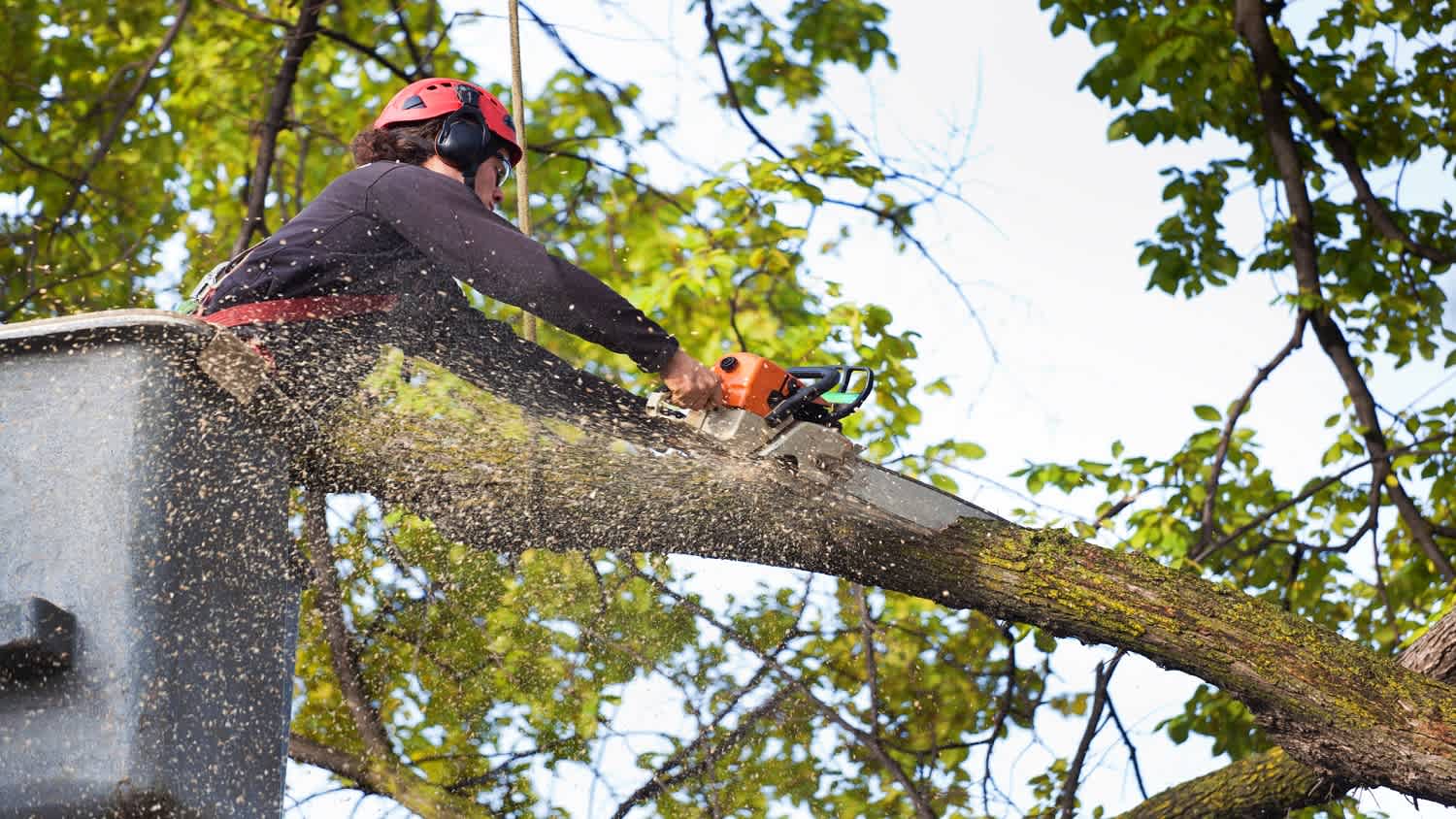
A chainsaw is the best tool to cut down a tree, but you may also use a handsaw or ax. You may also want to use a lopper or pole saw to remove limbs before cutting down the tree. Wear chainsaw chaps and protective gear, including eyewear and earplugs if you use a chainsaw. Again, if you’re unsure about how to use this tool, this project may be one to skip.

If executed correctly your tree should survive after being transplanted to a new spot. However, effective transplanting requires six months, careful root pruning, safe transport to the new location, and replanting in prime soil conditions. You’ll also need an appropriately sized root ball for a complete tree transplant. A good rule of thumb is that, for every inch in diameter, your tree’s root ball needs to be around 11 inches. So a tree with a diameter of six inches needs a root ball of approximately 66 inches.

The ideal time to prune a tree depends on the type of tree. Typically, late winter or early spring is a good time to prune but isn't always the case for "towering trees." It's best to trim when trees are dormant and before blooms appear but can vary depending on the tree type. It's always best to research the type of tree or ask a professional tree trimmer to determine when is the perfect time to prune your tree.

If you don’t cut down a dead, dying, or diseased tree, it can become a nesting place for pests like mosquitos, bees, beetles, wasps, fly larvae, and more. Some pests will live in the tree, while others will feed off the decaying wood. Unhealthy trees are also more likely to fall over, potentially injuring people and causing damage to your property.

In most cases, you should not use a pruning seal on trees after trimming. Applying a sealant can interfere with the tree's natural healing process, and it does not guarantee protection from pathogens. Instead of sealing the cut, the best practice is to support the tree's natural recovery by providing it with plenty of water and a dormant-style fertilizer. However, there are exceptions. Pruning seals may be recommended for very vulnerable species, like elm trees, in areas where dangerous diseases such as Dutch elm disease are prevalent. In these specific situations, the protection offered by a sealant can outweigh its downsides. For advice tailored to your situation, especially after cutting large branches, it is best to consult a local tree trimming professional.

The Nashville, NC homeowners’ guide to tree services

From average costs to expert advice, get all the answers you need to get your job done.