



Top-rated lead testing and removal specialists.

Get matched with top lead testing and removal specialists in Lenoir, NC

Enter your zip and get matched with up to 5 pros

Need a pro for your lead testing and removal project in Lenoir, NC?

Select your specific project to find the pro for you.

Find Lead testing and removal specialists in Lenoir

Avatar for Enviro Assessments East, Inc.
Enviro Assessments East, Inc.
4.8(
10
)
Toxic Lead - AbatementToxic Lead - Testing

Serving Lenoir, NC and surrounding areas

In business since 2000

Emergency services offered

"Kept the appointment, provided information regarding what the evaluation include and estimated cost up front. Explained the procedure for Asbestos sample collection and testing. Timely sent report via email."
Pre-Abatement
Floor Tile and Mastic
Transite House Removal
Theatre Removal

+5

Response time1 day
Recommended by100%of homeowners
Lead Testing and Removal questions, answered by experts

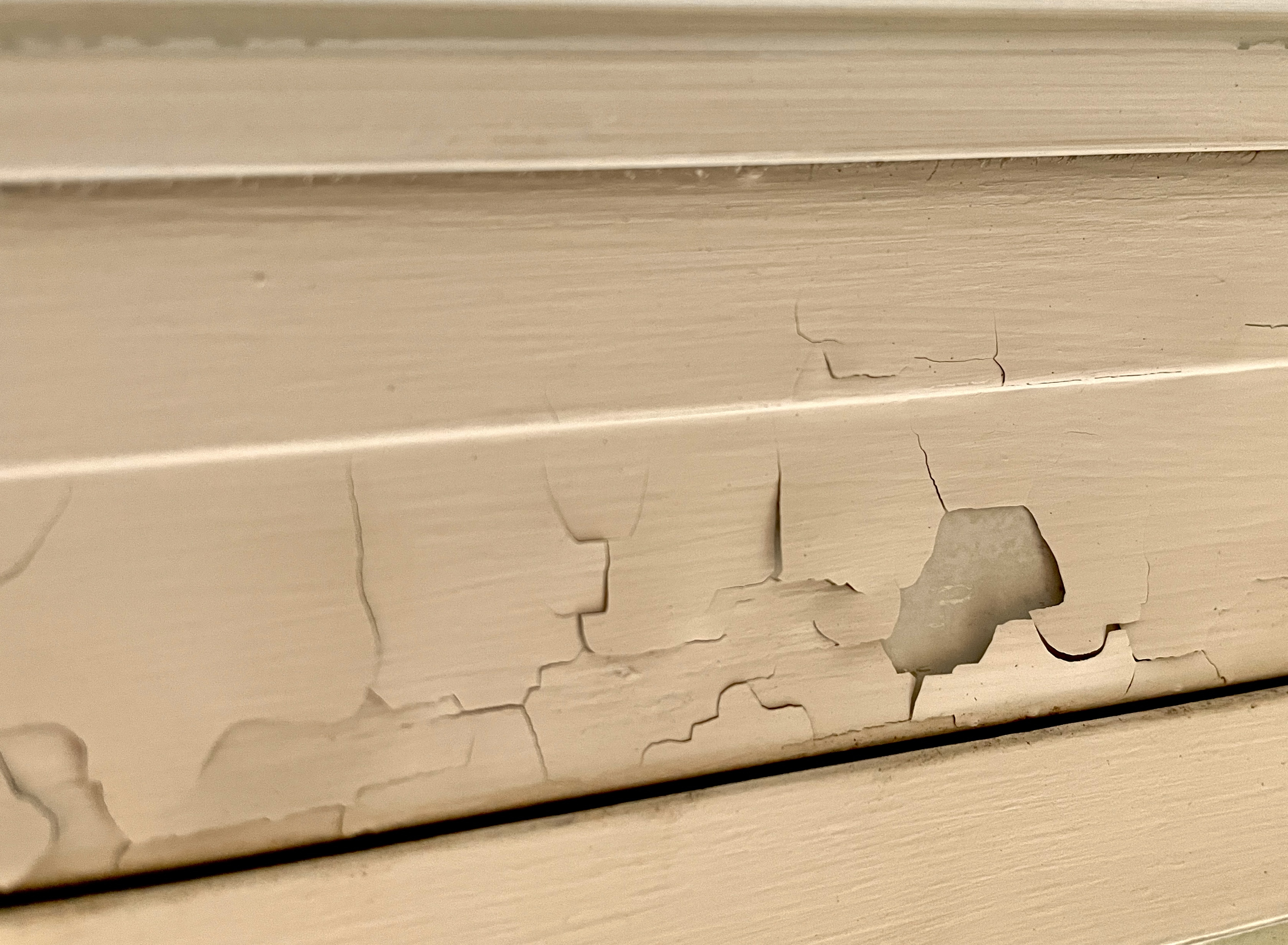
Professional lead removal involves identifying and safely removing or encapsulating lead-based paints and materials, using specialized equipment, and following strict safety procedures to minimize exposure and contamination.

No. Standard homeowners insurance does not cover any kind of lead remediation, focusing instead on sudden, unpreventable events like fires and theft. Many insurance companies will specifically exclude lead paint removal, since it tends to be an expensive and unavoidable project. The exception is if the lead surface is damaged during a covered event (like a flood) and homeowners insurance pays its replacement.

Professional lead testing services typically cost between $200 and $500, with the price varying based on the extent of testing and the specific areas tested within the property.

According to the Environmental Protection Agency (EPA), hazardous waste is generally classified into four main categories:

1. Characteristic Wastes: These exhibit at least one of four hazardous traits: ignitability (flammable, like gasoline), corrosivity (can rust or decompose materials, like car batteries), reactivity (unstable and can explode, like aerosol cans), or toxicity (harmful when ingested, like lead-based paint).

2. Listed Wastes: These are specific wastes from manufacturing and industrial processes that the EPA has officially designated as hazardous. They include byproducts from processes that use solvents, pesticides, and other chemicals.

3. Universal Wastes: These are commonly generated hazardous items that are subject to streamlined regulations. Examples include batteries, pesticides, mercury-containing equipment (e.g., bulbs), and some lamps.

4. Mixed Wastes: This category includes waste that contains both hazardous and radioactive components, making it subject to regulation by both the EPA and the Nuclear Regulatory Commission.

Yes, testing professionals typically provide reports with recommendations for safe lead removal.

The Lenoir, NC homeowners’ guide to lead testing and removal services

From average costs to expert advice, get all the answers you need to get your job done.