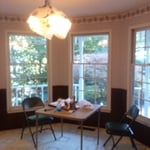
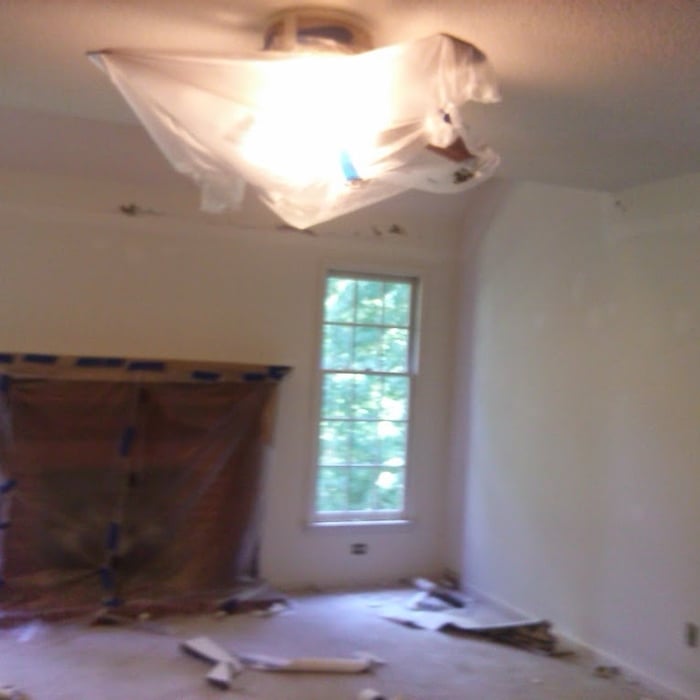
"Mike and Crystal were very professional from the first phone contact through the completion of the work. They showed up on time, their work was neat and they worked very efficiently. My windows were in pretty bad shape. They really took their time and prepped them very well which showed in the finished product. When asked to redo or touch up anything it was done without question. In the end we received a very good paint job on a timely basis and at a competitive price. I have already recommended Mike's Painting to others in my neighborhood and would use him again for future painting needs. "
We offer superior quality and have been in the painting business for approximately 20 years. Specializing in painting in the US Navy. Also in large and small projects. We have access to all equipment needed for any job.
In most cases, it is not recommended to wallpaper over existing wallpaper, as the success depends on the type of paper already on the wall. While you might be able to cover non-coated wallpaper, you should never apply new wallpaper over a vinyl-coated one, which is more common. Doing so can lead to poor adhesion, resulting in bubbles, imperfections, and peeling. It can also trap moisture, potentially causing hazardous mold growth between the layers.
Even if the existing wallpaper is suitable, experts recommend applying only one new layer. Adding multiple layers (more than two total) can cause significant adhesion problems, leading to warping and bubbling. For the best results, the recommended approach is to remove the old wallpaper and all paste residue before hanging the new paper. If you are unsure about your wallpaper type, consider consulting a professional.
Many peel-and-stick wallpapers aren’t moisture-resistant, so if you install them in high-humidity rooms, mold can grow behind the wallpaper. It’s best to reserve peel-and-stick wallpaper for bedrooms, living rooms, and other rooms with lower humidity levels. Not only does this minimize the risk of mold growth, but it also keeps the wallpaper from bubbling or peeling.
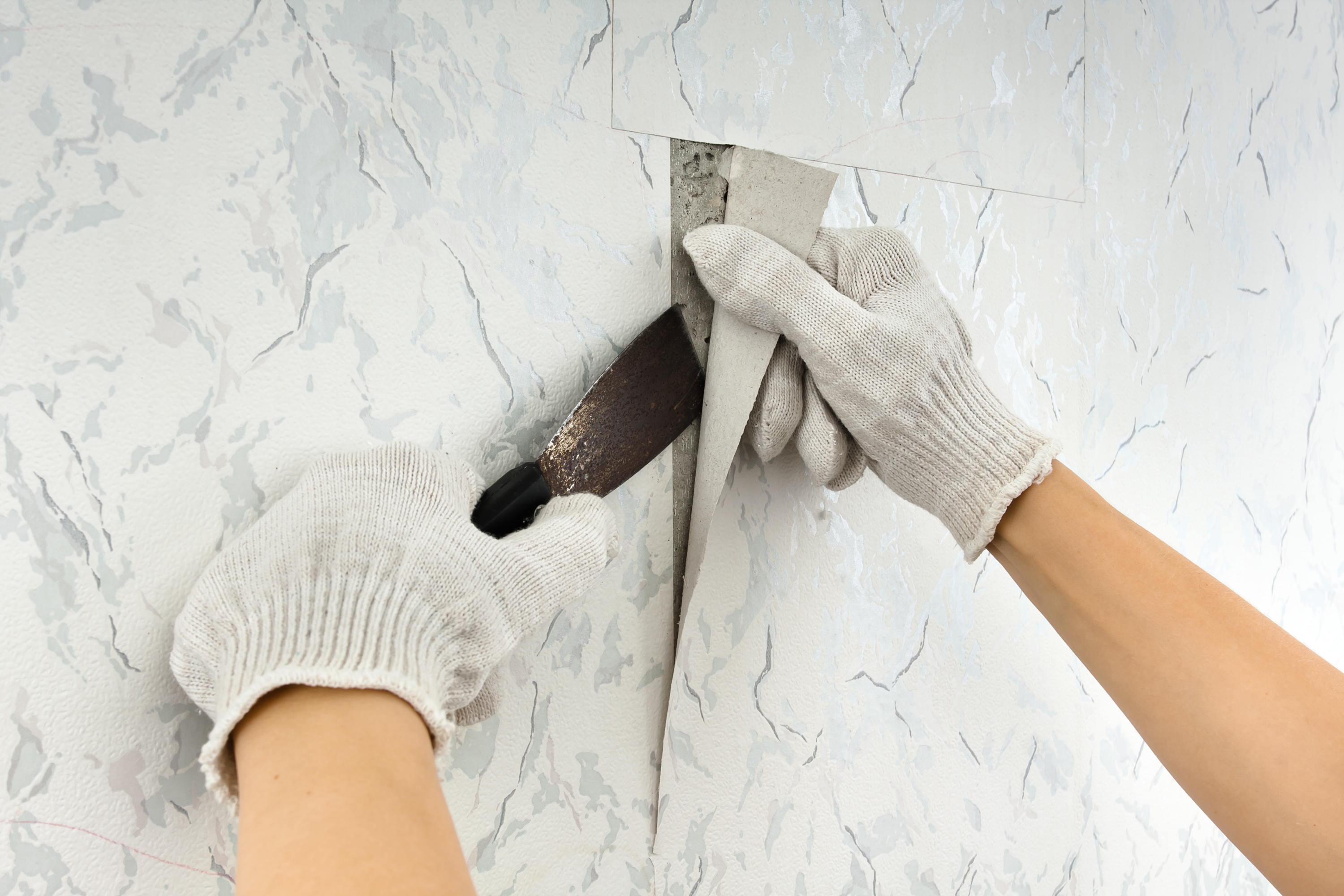
While you can remove wallpaper yourself, it is a labor-intensive process that risks damaging your walls. Common DIY methods include using a steamer to loosen the adhesive or spraying the paper with a solution of hot water and vinegar or dish soap before scraping. However, steamers can cause irreparable damage if used incorrectly, and the spray-and-scrape method can harm drywall if it gets too wet or you scrape too aggressively. For these reasons, hiring a professional is often the fastest, easiest, and safest option. A pro has the experience and specialized tools to remove wallpaper efficiently without damaging the underlying surface, which saves time and minimizes the prep work needed for your next wall treatment.
The simple nature of peel and stick wallpaper means it should come off much more easily than traditional wallpaper that is glued to your walls. You’ll still want to work slowly and carefully to avoid tearing it, but most peel and stick wallpaper should come off without a chemical agent to loosen it.
The average cost to remove wallpaper is $790. The final price tag depends on the size of the room and the complexity of the project, and can range from $200 to $2,000. Usually, removing peel-and-stick wallpaper is on the lower end of the cost scale, as it doesn't require special tools to remove.
The Engelhard, NC homeowners’ guide to wallpaper removal services
From average costs to expert advice, get all the answers you need to get your job done.
Discover wallpaper installation cost. Learn about material, labor, and project factors to estimate your budget and make informed choices for your home.
Planning a room update? Learn about the wallpaper removal process, costs to expect, and how to find and hire the right local pro for a paint-ready finish.
Taking down wallpaper is a tedious and time-consuming job. Here are some tips on how to hire someone to remove wallpaper for you to make your life easier.